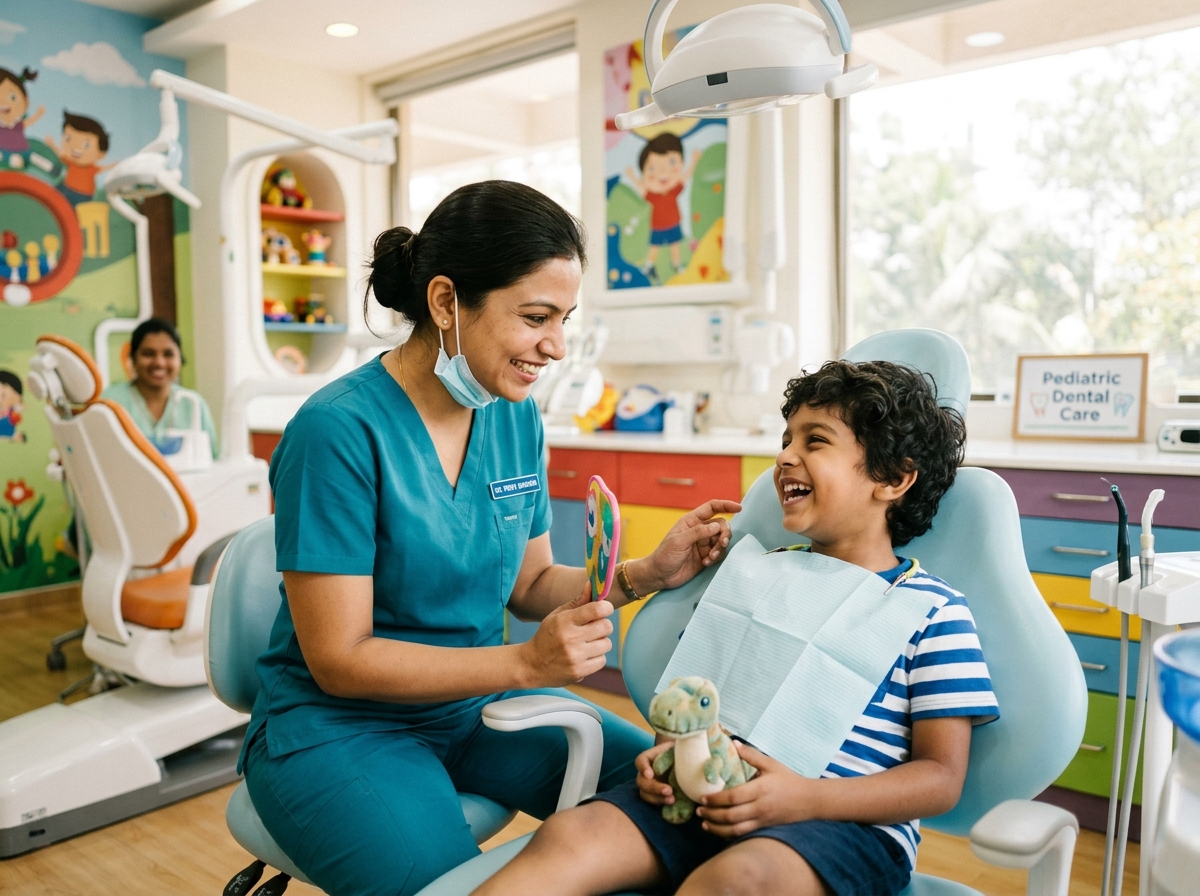
Gentle Pediatric Dental Care · Kelambakkam & Padur
Family Dentistry in Kelambakkam & Padur
for Comprehensive Dental Care at Every Age
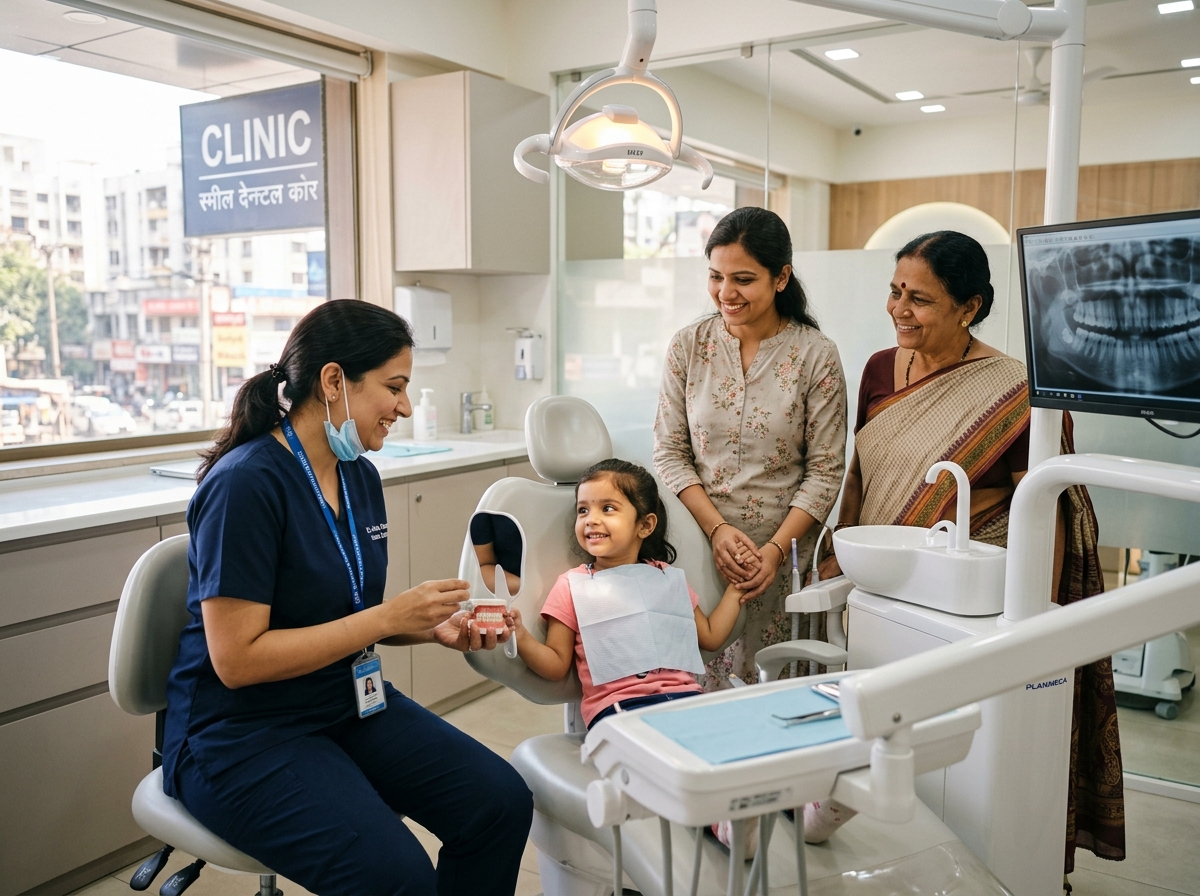
Family dentistry brings together dental care for people at different stages of life while recognising that each family member can have different oral-health needs. A child may need preventive guidance as the teeth develop, an adult may require routine examinations or restorative care, and an older family member may need attention for missing teeth, dentures or changes in oral function.
For families looking for family dentistry in Kelambakkam or Padur, Supreme Elite Clinic provides dental consultations at Plot No. 4, Sri Renukambal Nagar, Kelambakkam, Chennai, Tamil Nadu – 603103. The clinic is open from 10:00 AM to 9:00 PM.
Family dental care is not about giving everyone the same treatment. It is about understanding the oral-health needs of each person and providing appropriate preventive guidance, assessment and treatment when required.
Family dentistry is an approach to dental care that addresses the oral-health needs of family members at different stages of life. It can include preventive dental care, routine examinations and treatment planning according to each person's age, dental condition and individual requirements.
Although family members may visit the same dental clinic, their treatment needs can be very different. A young child may need guidance about brushing and developing teeth, while an adult may require assessment of tooth decay, gum concerns or damaged teeth. Older adults may have additional considerations involving missing teeth, dentures or maintaining their remaining natural teeth.
A family dentistry approach therefore focuses on the individual rather than treating the entire family as one patient.
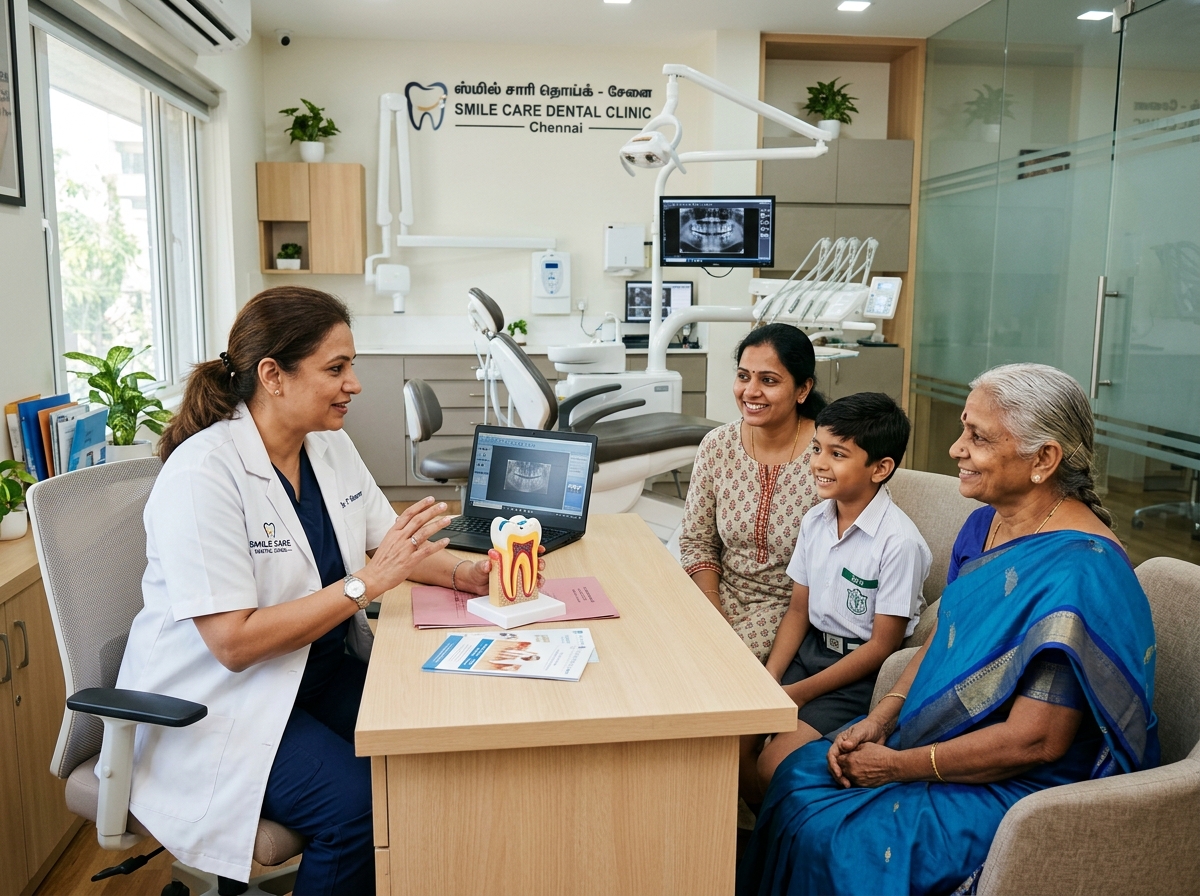
Dental problems do not always begin with noticeable pain. Some changes involving teeth or gums may develop gradually before a person recognises that something is wrong.
Regular dental assessments provide an opportunity to discuss oral-health concerns, identify changes that may need attention and understand appropriate preventive measures.
For families, establishing regular dental care can also help children become familiar with dental visits and encourage consistent oral-hygiene habits as they grow. Adults and older family members can similarly receive care that reflects their changing dental needs.
The purpose of regular visits is not to suggest that every person needs frequent treatment. Instead, the appropriate schedule and follow-up should be based on the individual's dental condition and professional advice.
No. Dental needs can change significantly with age, so family dental care should be adapted to the individual..
Children are developing primary and permanent teeth and may need guidance about brushing, diet and oral-hygiene habits. Teenagers may need support as they become more responsible for their own dental routines.
Adults may require preventive examinations alongside treatment for dental conditions that develop over time. Older adults may have additional considerations involving remaining teeth, missing teeth, dentures or changes in oral function.
This means that a family dental appointment should not be based on a single standard treatment plan. Each person needs to be considered according to their own oral-health circumstances.
Children's dental care begins with helping them develop healthy oral-hygiene habits and become comfortable with professional dental visits.
Primary teeth are part of a child's normal development and contribute to everyday activities such as eating and speaking. Parents can benefit from professional guidance about brushing, dietary habits and signs that may require dental assessment.
As children grow, their teeth and oral structures change. Regular assessment can provide an opportunity to monitor these changes and discuss appropriate care with parents.
Parents should also seek dental advice when a child develops persistent tooth pain, sensitivity, visible damage, swelling or other concerns rather than waiting for the problem to resolve on its own.
Teenagers gradually take more responsibility for their own oral hygiene, making this an important stage for reinforcing practical dental habits.
Changes in diet, frequent snacking, sugary drinks or inconsistent brushing can affect oral health. Teenagers may also have questions about their teeth that they are more comfortable discussing directly with a dental professional.
Young adults may similarly benefit from understanding how preventive care fits into their long-term oral health. Establishing appropriate habits during these years can make dental care a more consistent part of everyday health management.
Adults can have very different dental requirements depending on their previous dental history, oral hygiene, lifestyle and existing conditions.
A routine examination may identify areas requiring preventive attention or reveal dental concerns that need further assessment. Some patients may require care for tooth decay, damaged teeth, gum problems or missing teeth, while others may primarily need ongoing preventive monitoring.
Family dentistry therefore does not mean providing the same service to every adult. The focus is on understanding the individual's current oral condition and discussing appropriate next steps.
Oral-health needs can change later in life. Some older adults continue to maintain their natural teeth, while others may have missing teeth, dentures or previous dental restorations that require attention.
Changes in oral hygiene, gum health, denture comfort or everyday chewing can become relevant during dental consultations.
For someone using dentures, for example, a change in fit or comfort may warrant a professional review. For someone with remaining natural teeth, continued preventive care remains important.
Age itself does not determine a person's dental treatment. The appropriate approach depends on the individual's oral condition and needs.
A family dental consultation should begin with understanding the individual patient's concerns rather than assuming that every family member requires the same assessment.
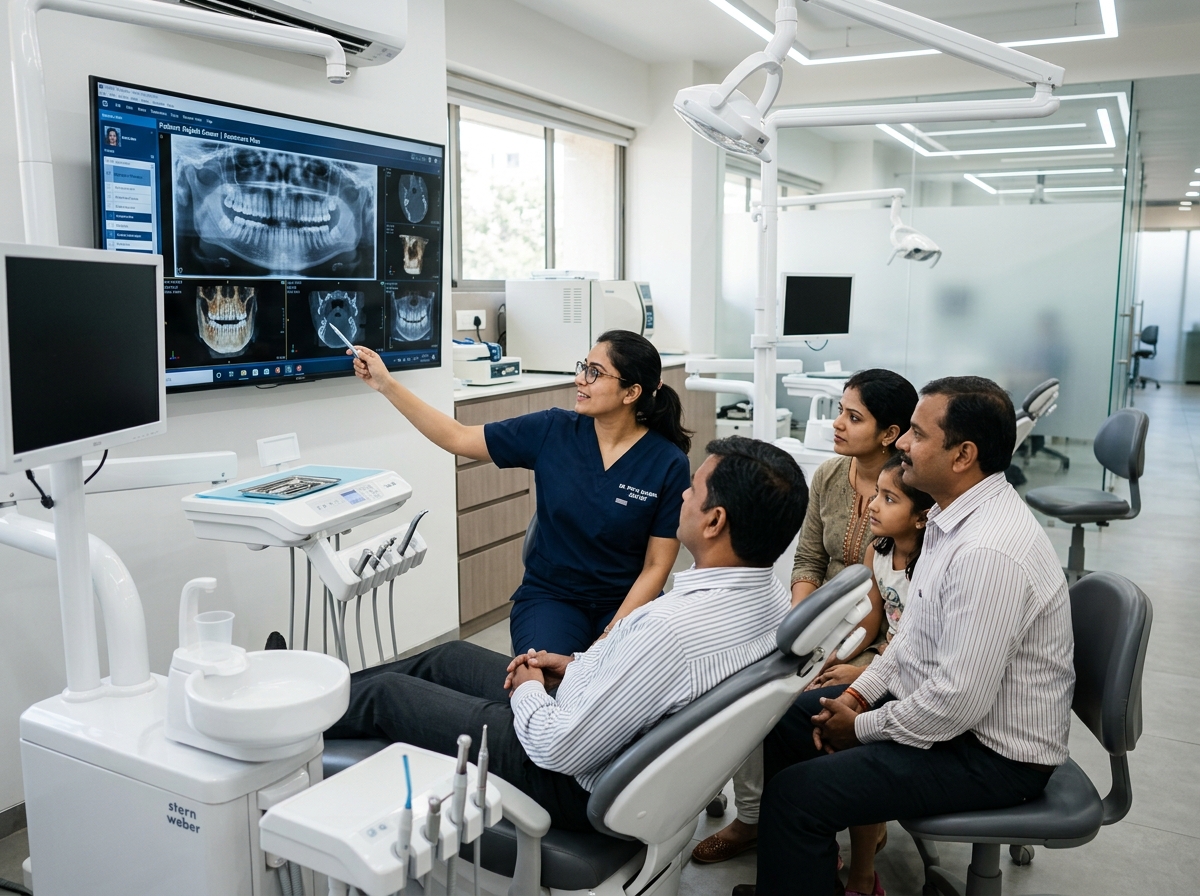
The purpose is to give each patient a clearer understanding of their current oral health and what may need attention.
Family dental care is not limited to what happens inside the clinic. Everyday habits have an important role in maintaining oral health.
Parents can help younger children develop consistent brushing routines and supervise them when appropriate. Teenagers can gradually take greater responsibility for their own oral hygiene. Adults can maintain regular dental care while addressing individual risk factors or existing concerns.
Families can also make dental care easier by treating oral-health appointments as part of routine healthcare rather than waiting until pain becomes severe.
The specific advice should still be personalised because dietary habits, oral conditions, age and dental history vary between individuals.
A family may share a home, routines and even some dietary habits, but that does not mean every member has the same dental risks or treatment needs.
One person may need preventive care, another may require restorative treatment, while another may simply need an examination to monitor an existing condition. Children also have developmental considerations that do not apply to adults.
Children also have developmental considerations that do not apply to adults. This is why effective family dentistry should combine continuity of care with individual assessment.
At Supreme Elite Clinic, families from Kelambakkam, Padur and nearby areas can discuss their dental requirements with Dr. Jessica Yolanda Jeevitha, MDS, Oral & Maxillofacial Surgeon, with 9+ years of experience.
Family dentistry is not only about treating a dental problem after it becomes noticeable. It can also help patients understand how to protect their teeth and gums between appointments. Preventive care may include professional examinations, oral-hygiene guidance and timely attention to changes that could otherwise progress.
The preventive approach should be appropriate to the individual's age, dental history and oral-health condition. A child, adult and older family member may therefore receive different recommendations even when they visit the same clinic.
A dental visit may be appropriate for routine assessment as well as when a specific concern develops. Patients should consider seeking professional advice if they notice changes such as persistent tooth pain, sensitivity, bleeding gums, swelling, damaged teeth, difficulty chewing or changes affecting an existing denture.
Children may also benefit from dental assessment when parents have concerns about developing teeth, brushing difficulties or oral discomfort.
Importantly, the absence of pain does not necessarily mean that no dental assessment is needed. The appropriate timing of routine visits should be discussed with the dental professional based on the individual's circumstances.
A family dental clinic may see several generations, but each consultation should remain individual.
The focus may include developing teeth, oral-hygiene habits, diet, prevention and helping the child become comfortable with dental visits.
Dental care may focus on maintaining good hygiene as independence increases, recognising changes in the mouth and addressing concerns that arise during adolescence.
Adults may require preventive examinations as well as assessment and treatment of concerns involving teeth, gums, restorations or missing teeth.
Care may involve maintaining remaining natural teeth, monitoring gums, assessing dentures or addressing changes that affect everyday oral function.
Finding a dental problem does not automatically mean that the most extensive treatment is required. The appropriate next step depends on the nature and extent of the concern.
This gives patients an opportunity to understand the situation before proceeding with treatment.
Yes. Depending on the patient's condition, family dental care may involve restorative treatment when a tooth has been affected by decay, damage or another dental problem.
The appropriate treatment depends on factors such as the condition of the tooth, the extent of the problem and the patient's overall oral-health needs.
The important consideration is that restorative treatment should follow an assessment rather than being selected solely because a particular procedure is commonly used.
Parents play an important role in establishing children's dental routines.
Children may respond differently to dental visits, so parents can also discuss concerns about anxiety, cooperation or previous dental experiences during the consultation.
Dental anxiety can make it difficult for some children to attend appointments comfortably. A calm, age-appropriate approach can help the child become more familiar with the dental environment.
Parents can avoid presenting a dental visit as something frightening and can communicate openly with the dental team about the child's concerns.
If a child has had a difficult previous experience, sharing that information before or during the appointment can help the dental team understand the situation and communicate appropriately.
Adults should not ignore persistent changes involving the teeth or gums.
These signs do not by themselves establish a diagnosis. A dental examination is needed to determine what may be causing the problem.
Long-term dental care involves more than responding to individual problems as they appear. It also involves understanding how a person's oral-health needs change over time.
For example, a child who receives guidance about oral hygiene may later need different care as permanent teeth develop. An adult may move from preventive care to restorative treatment if a dental condition develops. An older adult may eventually require attention to missing teeth or dentures.
Regular communication with the dental team allows these changes to be assessed as they occur rather than assuming that the same approach will remain appropriate indefinitely.
Patients sometimes focus only on the problem that prompted the appointment. However, the consultation can also be used to discuss broader concerns.
Asking questions can help turn a routine appointment into a more useful conversation about ongoing oral health.
Family dental care is most useful when it recognises that oral-health requirements do not remain the same throughout life. A young child may need developmental monitoring. A teenager may need support with independent oral hygiene. Adults may require preventive or restorative care, while older family members may have concerns involving missing teeth, dentures or maintaining existing teeth.
At Supreme Elite Clinic, families in Kelambakkam, Padur and surrounding areas can discuss these individual dental needs with Dr. Jessica Yolanda Jeevitha, MDS, Oral & Maxillofacial Surgeon, with 9+ years of experience.
The focus is on understanding the patient's current dental condition and discussing appropriate next steps rather than assuming that one treatment plan applies to every member of the family.
Family dental care becomes easier to manage when appointments are planned around the needs of each person rather than treating dental care as a one-time family activity. One family member may need a routine examination, while another may need treatment for an existing dental concern. Children may require age-appropriate guidance, whereas adults may need attention to restorations, gums or missing teeth.
A practical approach is to keep track of dental concerns as they arise, share relevant medical or dental history during consultations, and ask what follow-up may be appropriate for each person. This helps make dental care more organised without assuming that every family member requires the same type or frequency of treatment.
Not necessarily. Although families may prefer to coordinate appointments, each person's dental assessment and treatment requirements remain individual. A child, teenager, adult and older family member can have different oral-health concerns that require separate discussions or treatment plans.
When arranging appointments, families can ask the clinic how consultations can be scheduled according to their availability. If different family members require different types of dental care, the dentist can assess each person separately and explain the appropriate next steps.
Parents can make a child's dental visit more useful by sharing relevant information about the child's dental history and current concerns. This may include previous dental treatment, recurring tooth discomfort, sensitivity, difficulty brushing or any noticeable changes in the teeth or gums.
It can also help to explain the purpose of the visit to the child in simple, reassuring language. If the child has previously experienced anxiety or an uncomfortable dental appointment, informing the dental team beforehand can help the consultation be approached with greater awareness of the child's concerns.
Adults should mention current dental symptoms, previous treatment, existing restorations, missing teeth and any concerns affecting eating, speaking or daily oral care. Information about regular medications or relevant medical history may also be important when discussing dental treatment.
Rather than waiting until discomfort becomes significant, patients can bring up smaller changes they have noticed, such as sensitivity, gum bleeding, a chipped tooth or a restoration that feels different. The dentist can then determine whether examination or further assessment is appropriate.
Different treatment needs within the same family are normal. One person may only require preventive guidance, while another may need restorative treatment or assessment of missing teeth. Treatment decisions should be based on the individual's oral condition rather than the needs of another family member.
A family-oriented dental practice can therefore provide a convenient setting for discussing different dental concerns while maintaining an individual approach to diagnosis, treatment planning and follow-up.
Consistency does not mean following exactly the same dental routine for everyone. Instead, it means making oral health part of the household's regular healthcare habits.
These habits can help families respond to dental concerns earlier rather than waiting until they interfere with everyday activities.
A dental concern deserves timely professional assessment when symptoms persist, worsen or interfere with normal activities. Examples can include significant tooth pain, swelling, persistent sensitivity, bleeding or swollen gums, a damaged tooth, difficulty chewing, or a noticeable change involving an existing restoration or denture.
These symptoms do not by themselves establish a diagnosis. A dental examination is needed to understand the underlying cause and determine whether treatment, monitoring or further evaluation is appropriate.
Clear communication can help patients and parents understand their dental care rather than simply receiving instructions without context.
At Supreme Elite Clinic, family dental care is approached according to the individual requirements of each patient. Families from Kelambakkam, Padur and surrounding areas can discuss preventive, restorative and general dental concerns according to their age, oral condition and treatment needs.
Dental consultations are provided by Dr. Jessica Yolanda Jeevitha, MDS, Oral & Maxillofacial Surgeon, who has 9+ years of experience. The focus is on assessing the individual patient, explaining relevant dental concerns and discussing appropriate care based on the clinical situation.
Whether the concern involves a child's developing teeth, an adult's ongoing dental needs or an older family member's changing oral-health requirements, an individual assessment remains important.
Good family dental care starts with understanding that every person's oral-health needs can be different. A consultation can help identify current concerns, discuss preventive care and determine whether further treatment or follow-up is appropriate.
Families in Kelambakkam and Padur can contact Supreme Elite Clinic to discuss their dental requirements and arrange an appointment based on individual needs.
Book Family ConsultationOur dental team will assess each family member's individual needs — from a child's first check-up to routine adult care or denture review — in a comfortable, unhurried setting.