A complete ophthalmic evaluation covering 12 parameters — from visual acuity and refraction to slit lamp, fundoscopy and IOP. The foundation of every eye care plan and your first line of defence against vision-threatening conditions.
A cursory vision test at an optical shop checks one thing: whether you need glasses. Our comprehensive exam checks everything.
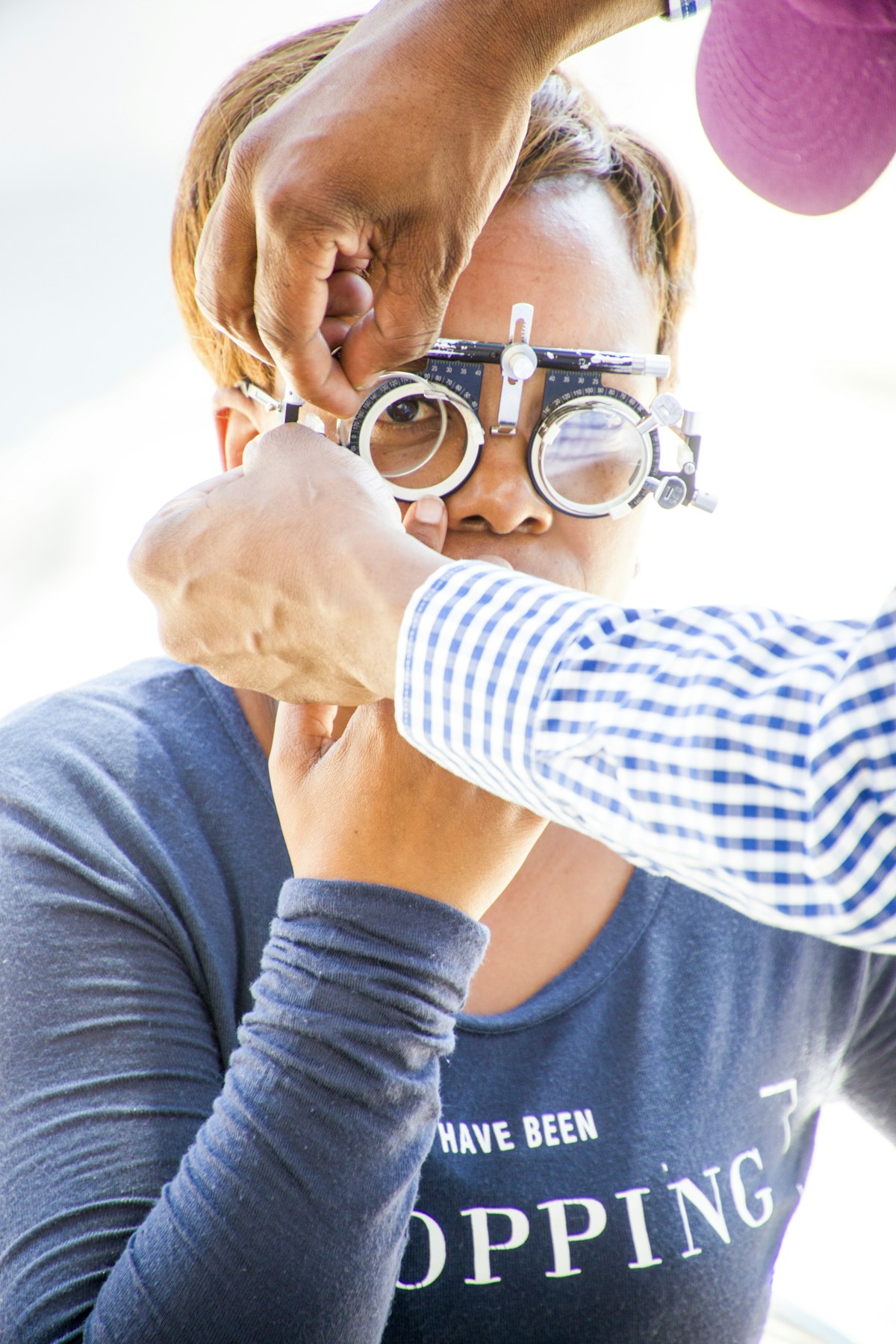
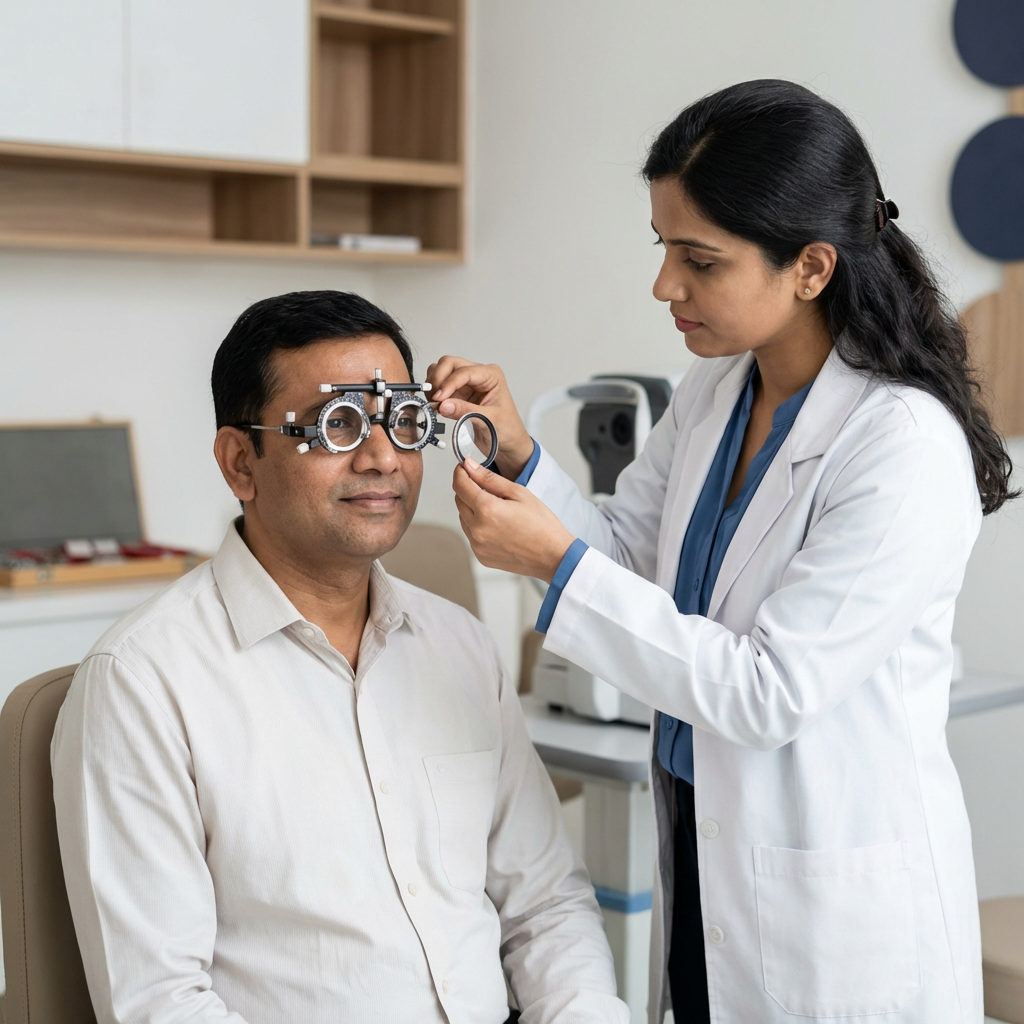
Distance and near visual acuity on a Snellen chart followed by automated and subjective refraction to determine your exact spectacle or contact lens prescription with pinhole testing.
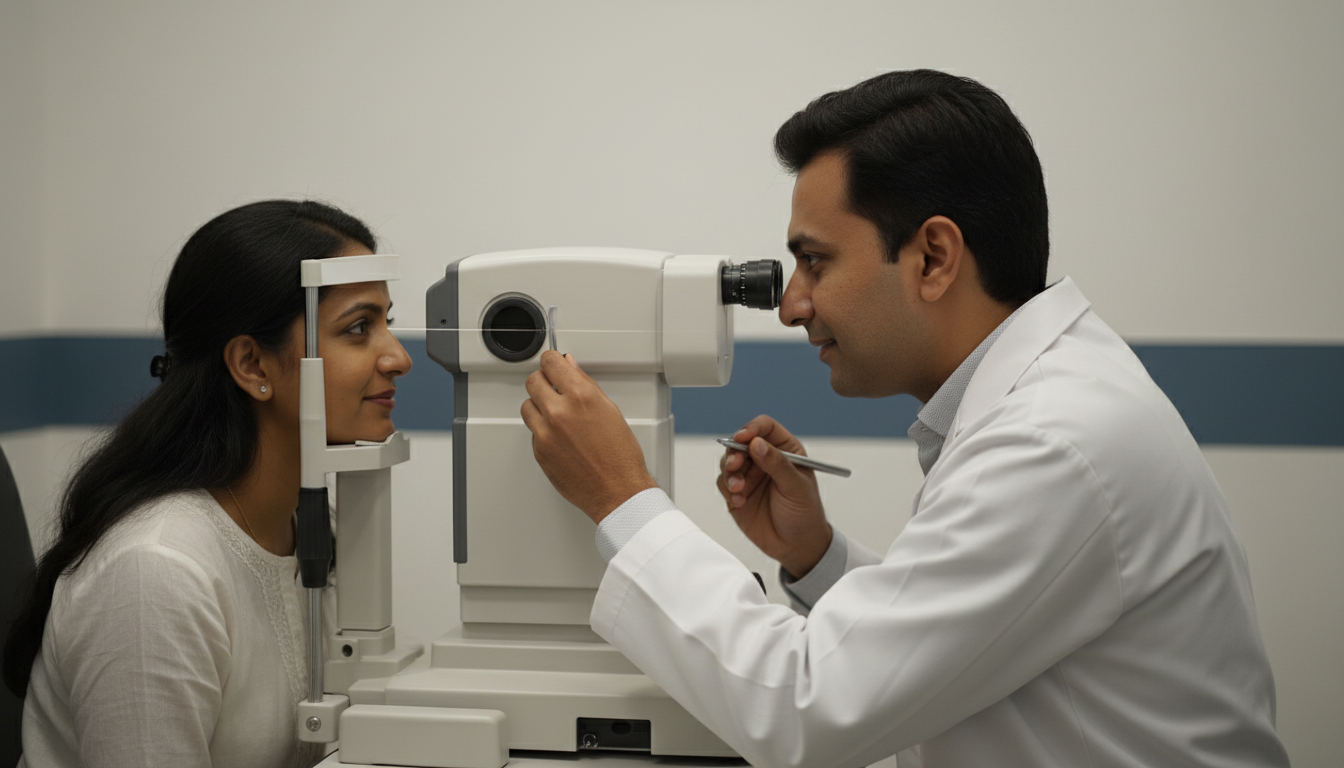
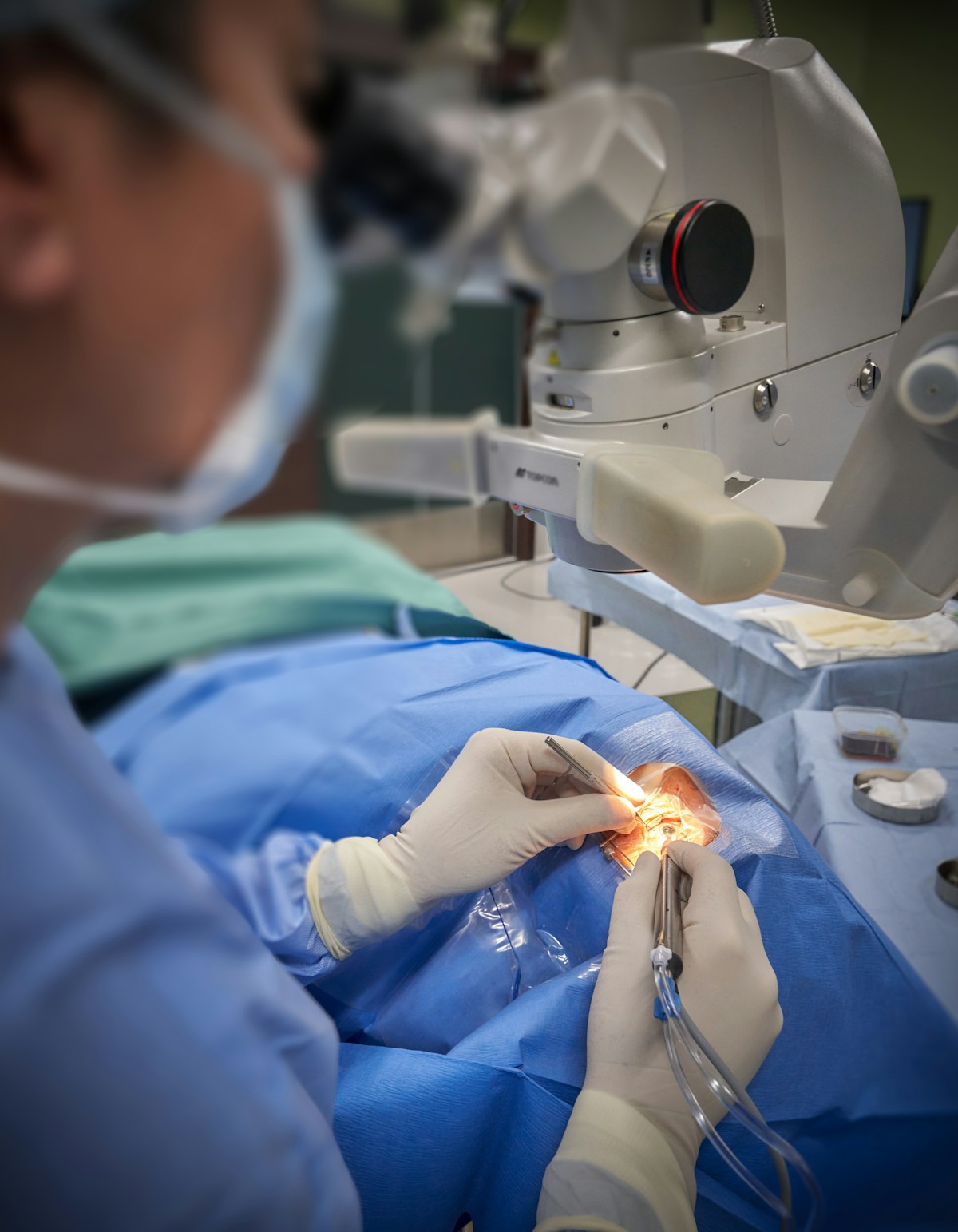
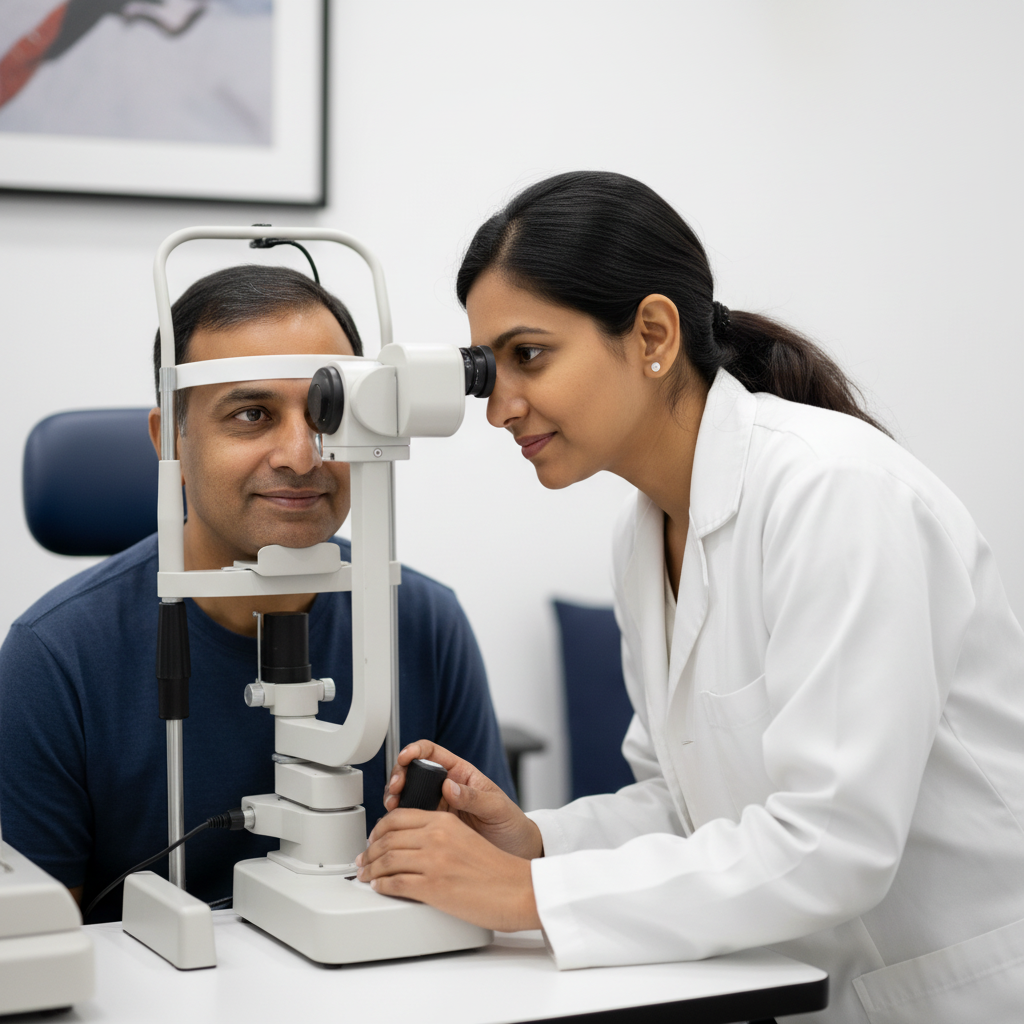
Magnified examination of the eyelids, cornea, conjunctiva, anterior chamber, iris and lens — detecting corneal abrasions, uveitis, early cataracts, pterygium, and dry eye signs.
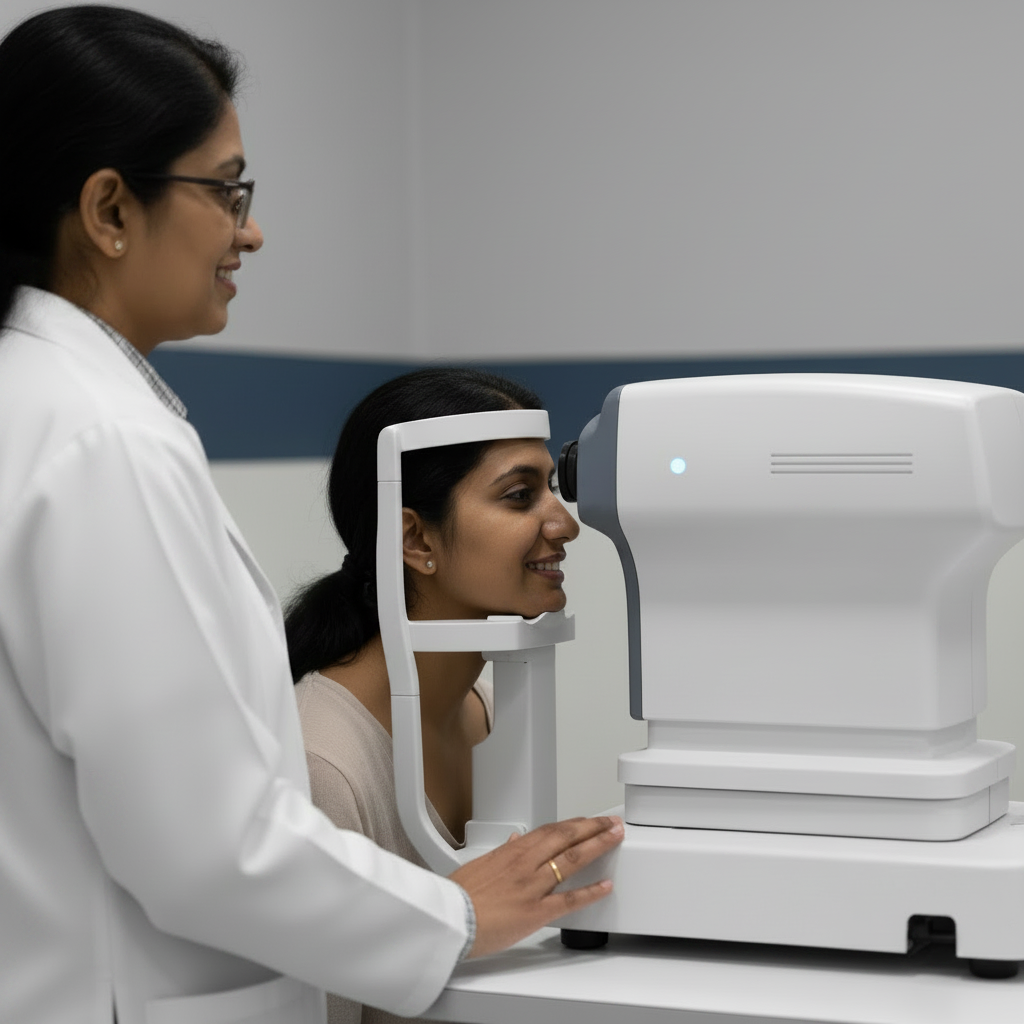
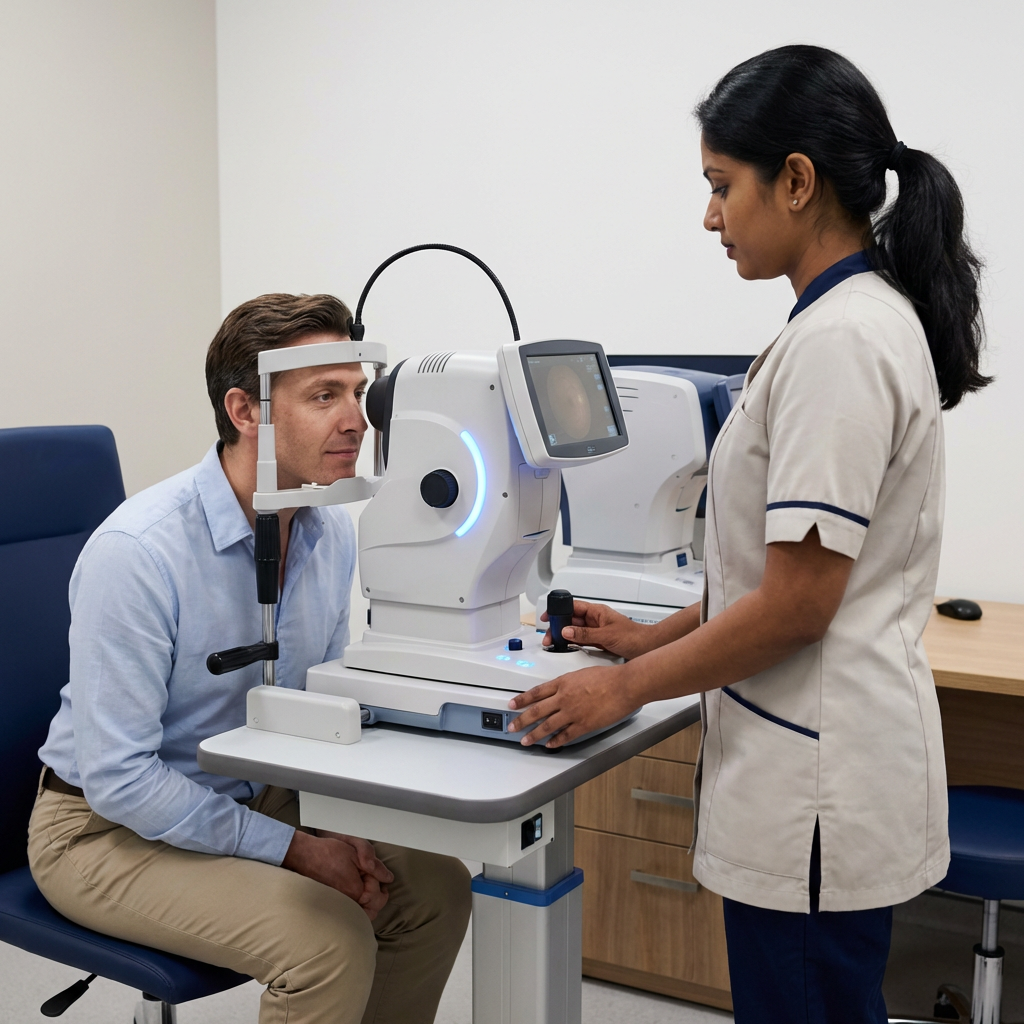
Non-contact tonometry measures your eye pressure. Elevated IOP (>21 mmHg) is the primary risk factor for glaucoma — which causes permanent vision loss with no early warning symptoms.
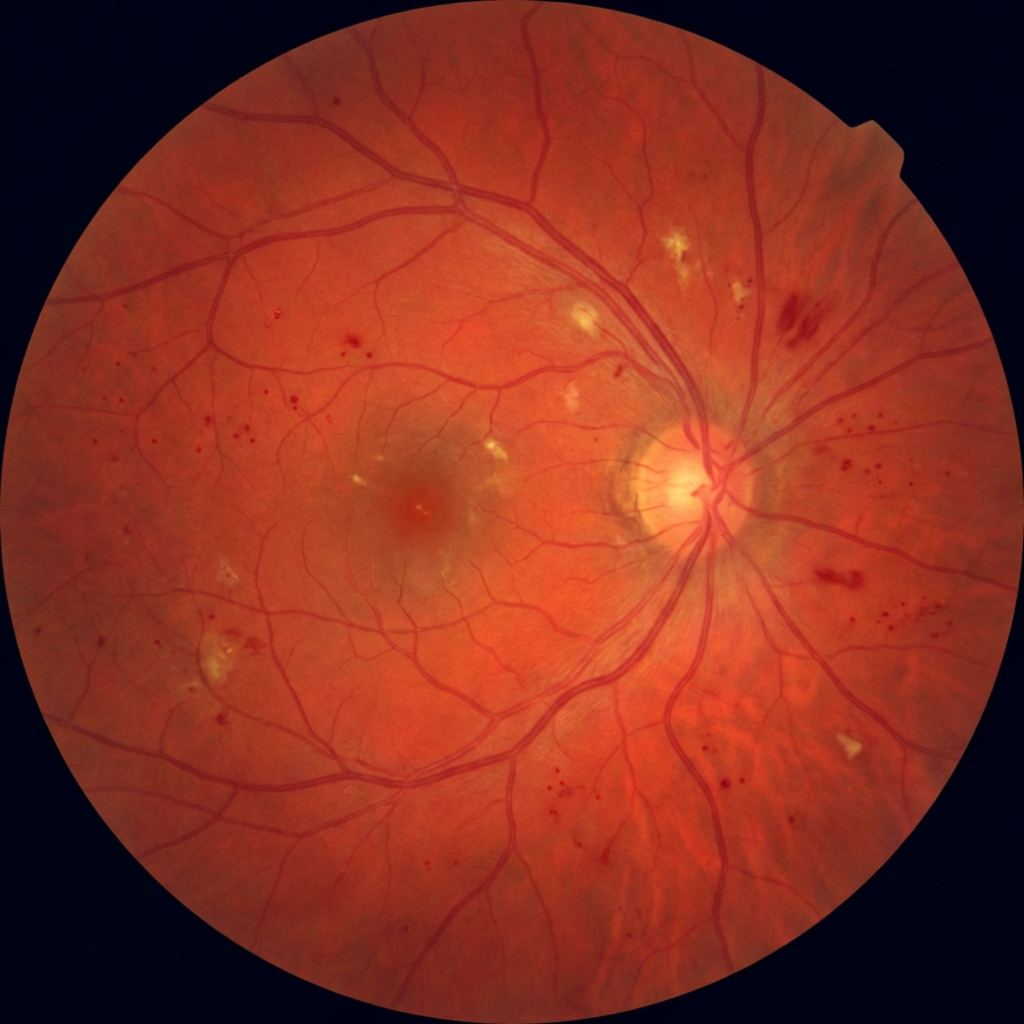
After pupil dilation, a direct and indirect ophthalmoscope examines the optic disc, macula, blood vessels and peripheral retina — detecting diabetic retinopathy, macular degeneration, and early disc changes.
Ishihara plates detect congenital or acquired colour vision defects. Contrast sensitivity testing identifies early optic nerve disease and macular degeneration before formal acuity drops.
Pupil light reflex testing (relative afferent pupillary defect), cover-uncover test for strabismus, and extraocular motility assessment detect neurological and binocular vision disorders.
A complete exam takes 45–60 minutes. Bring your current glasses or contact lenses and, if applicable, previous prescriptions.
Your ophthalmologist takes a detailed ocular and systemic history — including diabetes, hypertension, family history of glaucoma or macular degeneration, current medications, and symptom onset.
Autorefractometry establishes your objective prescription. This is refined subjectively using a phoropter to determine your exact glasses prescription for distance and near vision.
Non-contact tonometry measures intraocular pressure. Slit lamp biomicroscopy examines the anterior segment in detail — cornea, lens, and anterior chamber.
Dilation drops are instilled (takes 20 minutes to work). The optic disc, macula and peripheral retina are then examined with an indirect ophthalmoscope and slit lamp fundus lens.
Findings are explained clearly. You receive a written prescription, a summary of findings, and referral for further investigation (OCT, visual fields, corneal topography) if indicated.
Most optical shops test only refraction. We run a full medical eye examination — the kind that catches glaucoma, diabetic retinopathy, and early cataract before symptoms appear.
Optical Coherence Tomography (OCT) of the macula and optic nerve fibre layer is available on the same visit if your exam findings indicate it — no separate referral or second appointment needed.
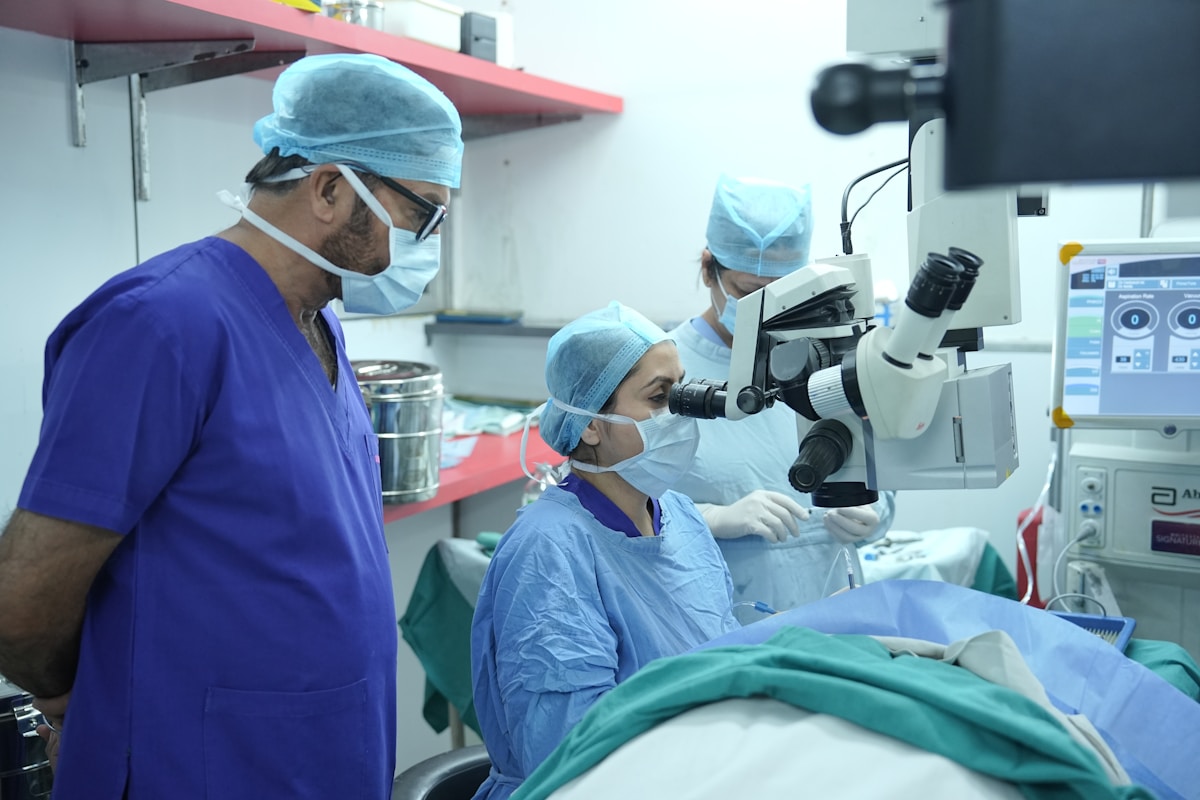
If your exam reveals cataracts needing surgery, LASIK candidacy, glaucoma requiring monitoring, or retinal disease — the same team handles next steps. No fragmented care across clinics.
We use age-appropriate visual acuity tests (Kay Pictures, Cardiff cards) for pre-literate children, along with cycloplegic refraction to accurately detect hyperopia and amblyopia risk in kids aged 2 and above.
Current glasses or contact lens prescription. List of systemic medications (especially steroids, hydroxychloroquine, amiodarone — all affect the eye). Diabetics: most recent HbA1c result. A companion to drive you home if dilation is likely.
Comprehensive exam ₹500 — includes refraction, IOP, slit lamp and dilated fundus review.