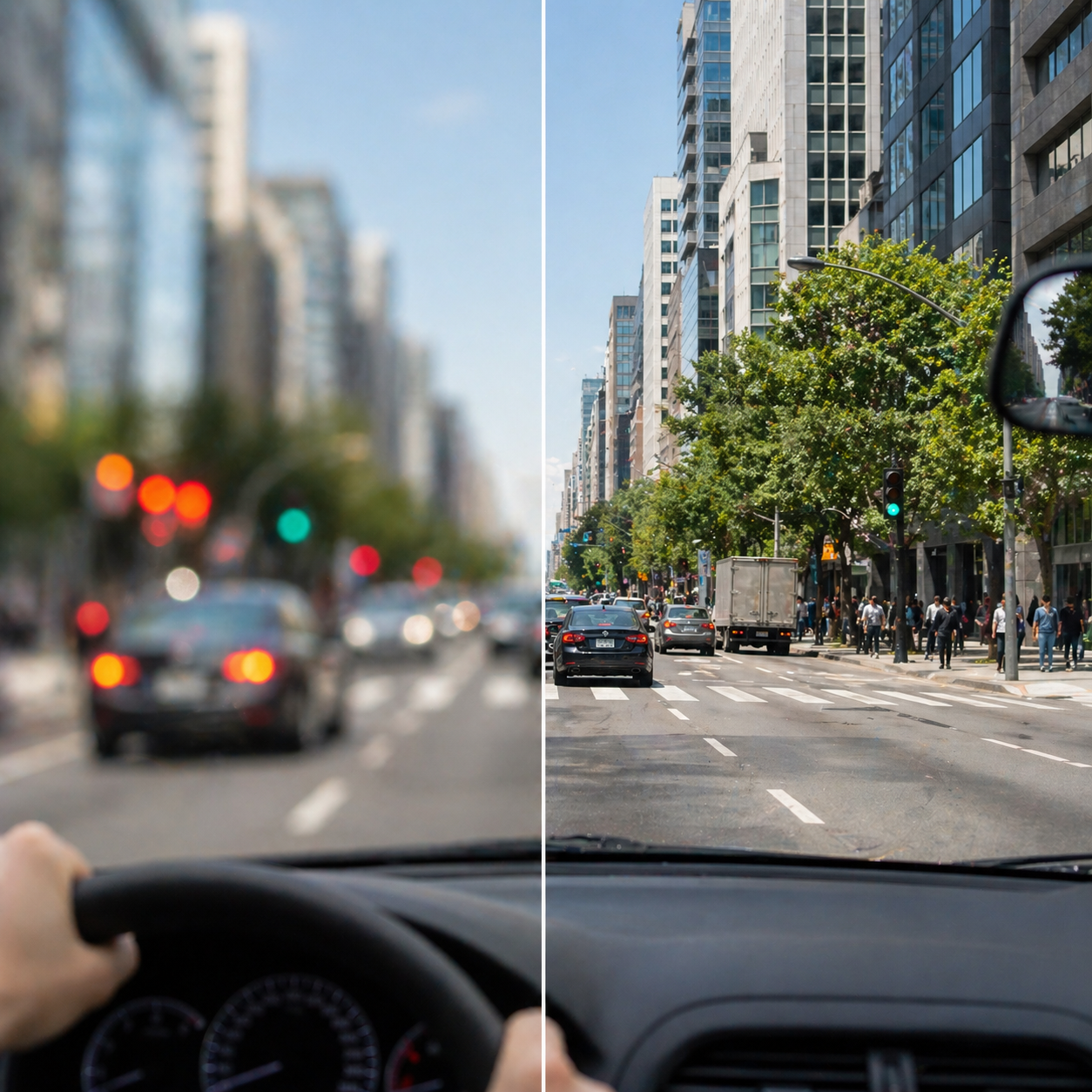
Permanent freedom from glasses and contact lenses. Blade-free LASIK, SMILE, and PRK correct myopia, hyperopia and astigmatism in minutes — with most patients seeing 20/20 by the next morning.
Not every patient is a LASIK candidate — corneal thickness, prescription range, and lifestyle all factor in. We assess you thoroughly before recommending any procedure.
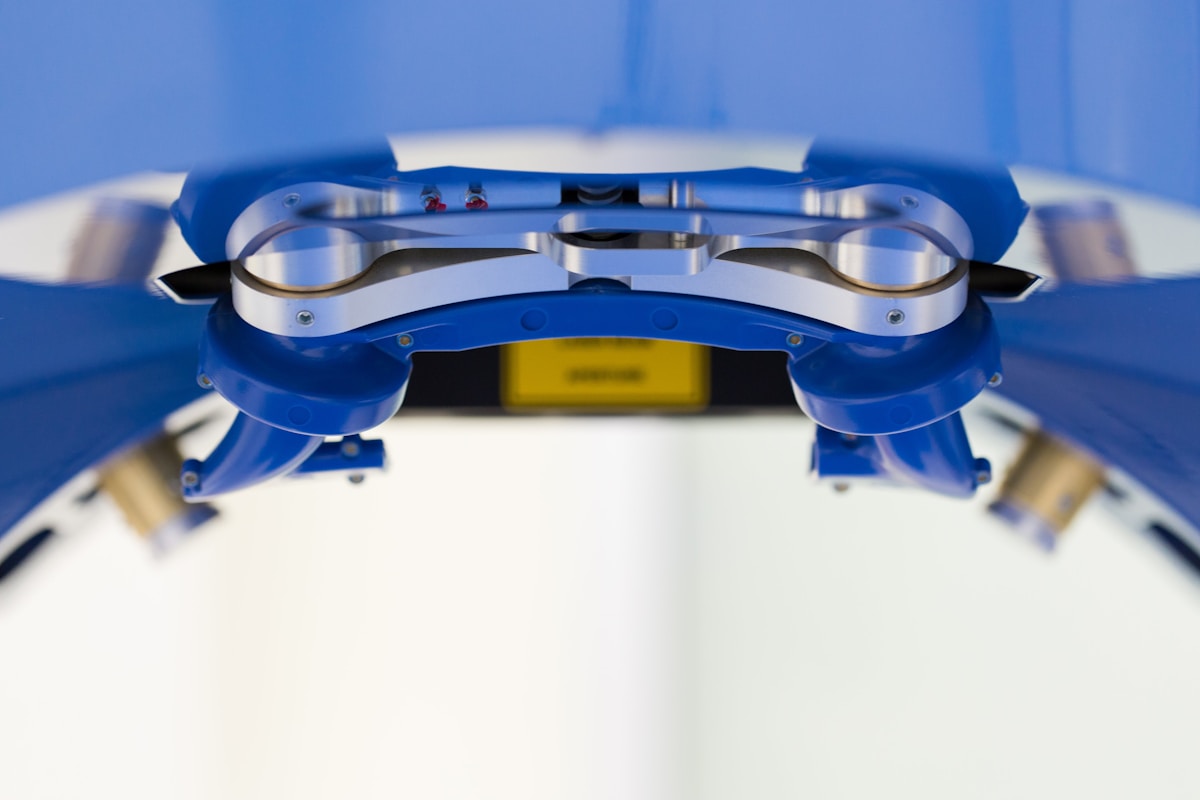
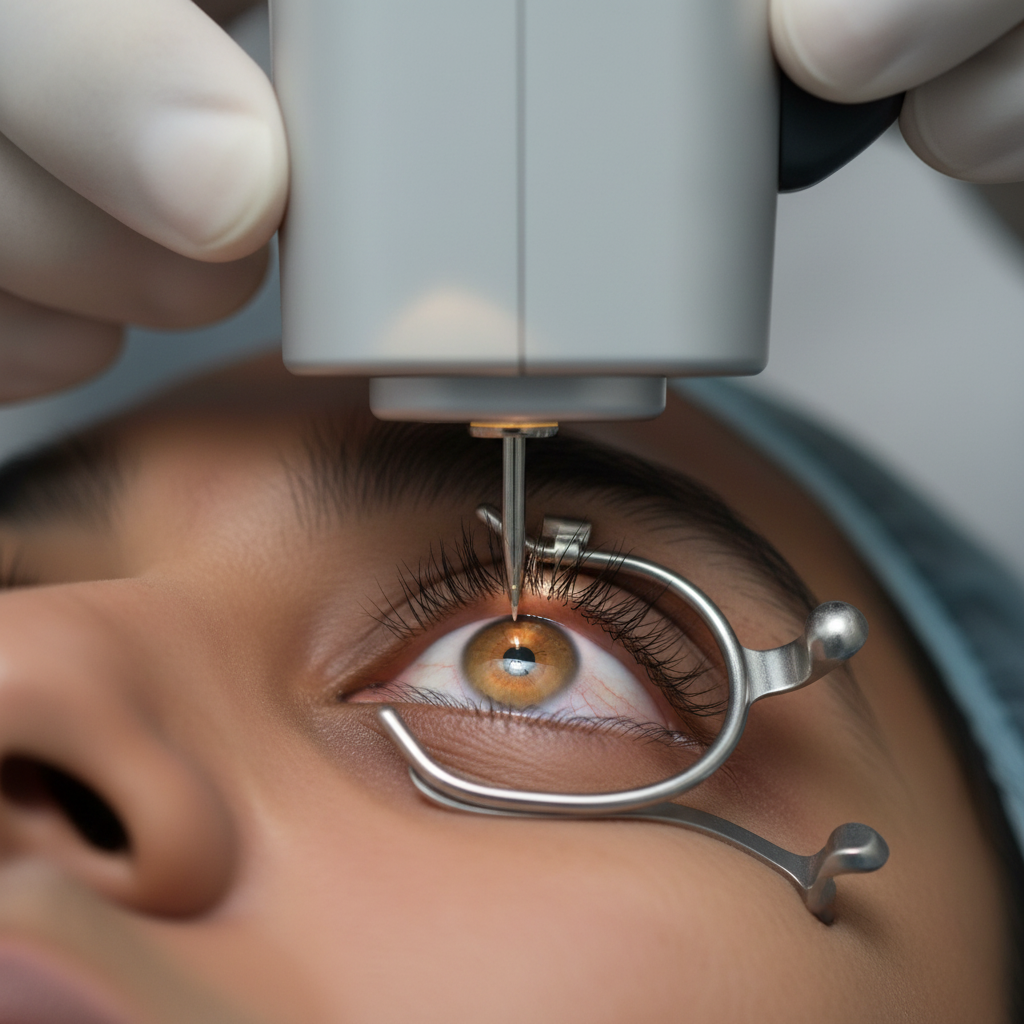
A femtosecond laser creates a precise corneal flap; an excimer laser then reshapes the stroma underneath. The flap is replaced, adhering naturally. Rapid recovery — most patients drive and return to work within 24–48 hours.
The femtosecond laser creates and extracts a small lens-shaped disc of tissue (lenticule) through a 2–4 mm keyhole incision — no flap, no excimer laser. Preferred for dry eye patients and contact sport athletes.
The actual laser treatment takes under 10 minutes per eye. The preparation — candidacy screening and corneal mapping — is what takes time and care.
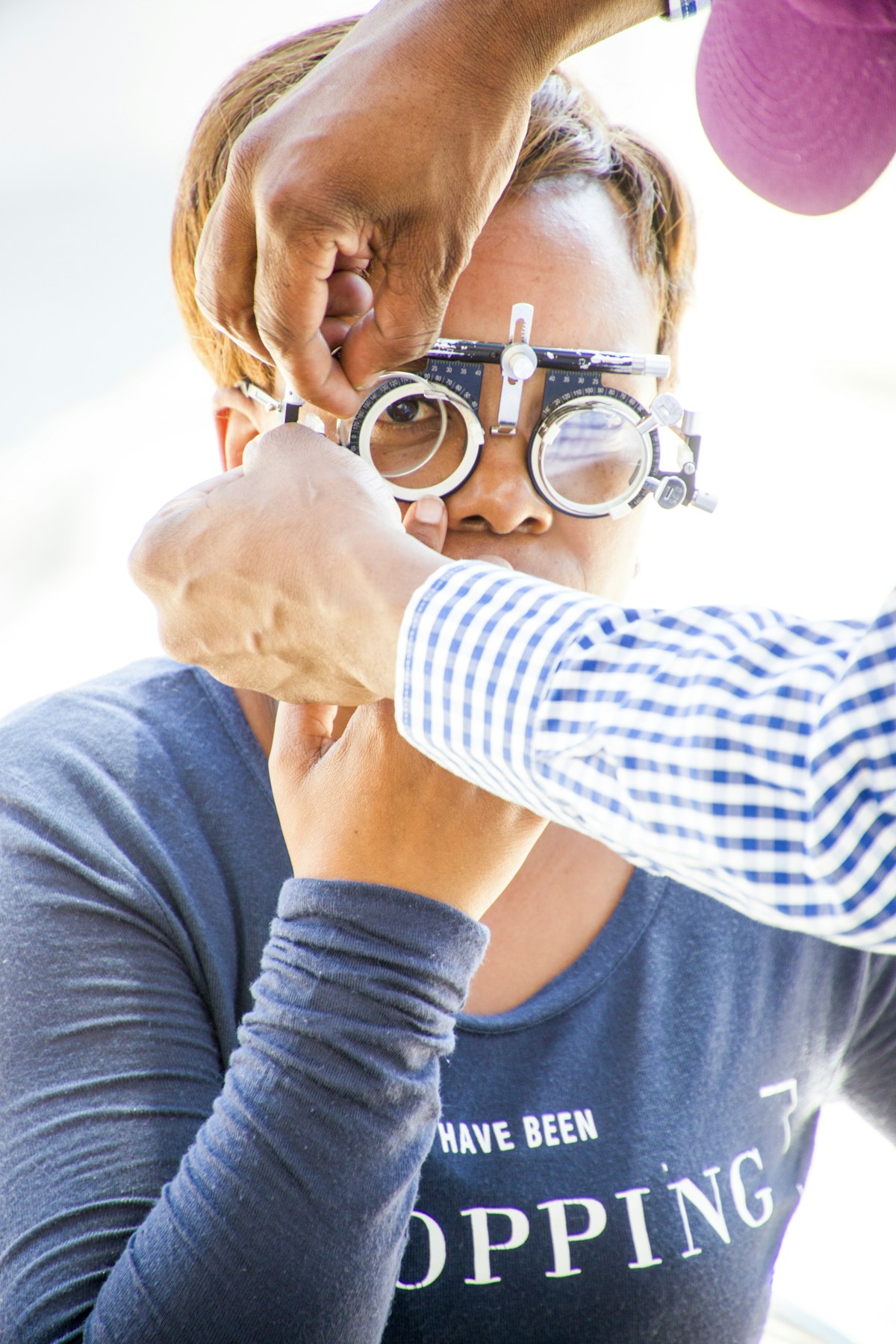
Corneal topography (Pentacam), pachymetry (corneal thickness mapping), pupil size, tear film, and refraction stability assessment. Contact lens wearers must stop wearing lenses for 2 weeks (soft) or 3 weeks (rigid) before screening.
Wavefront-guided or topography-guided ablation profile is customised to your corneal map — correcting higher-order aberrations for better quality of vision, not just refractive error.
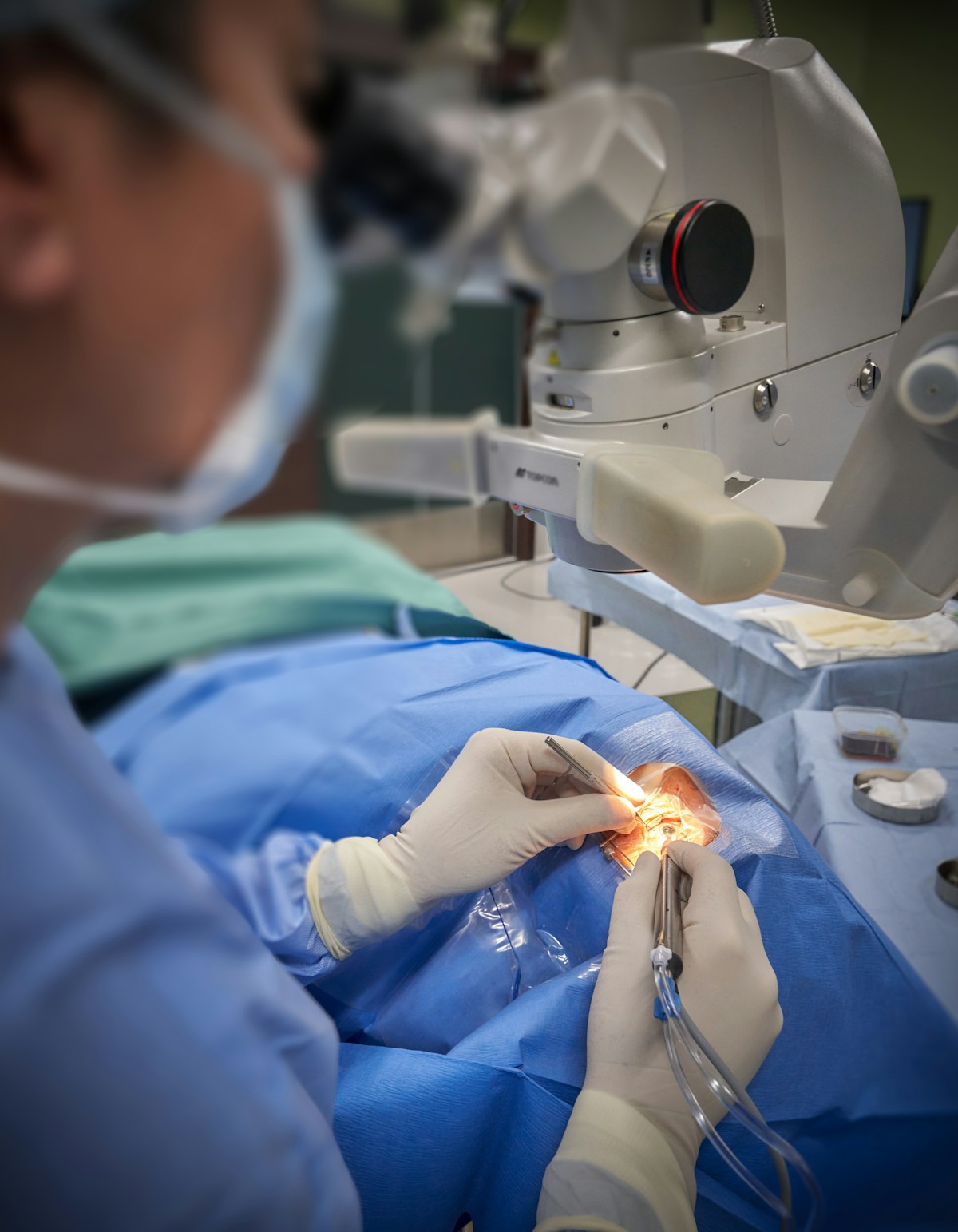
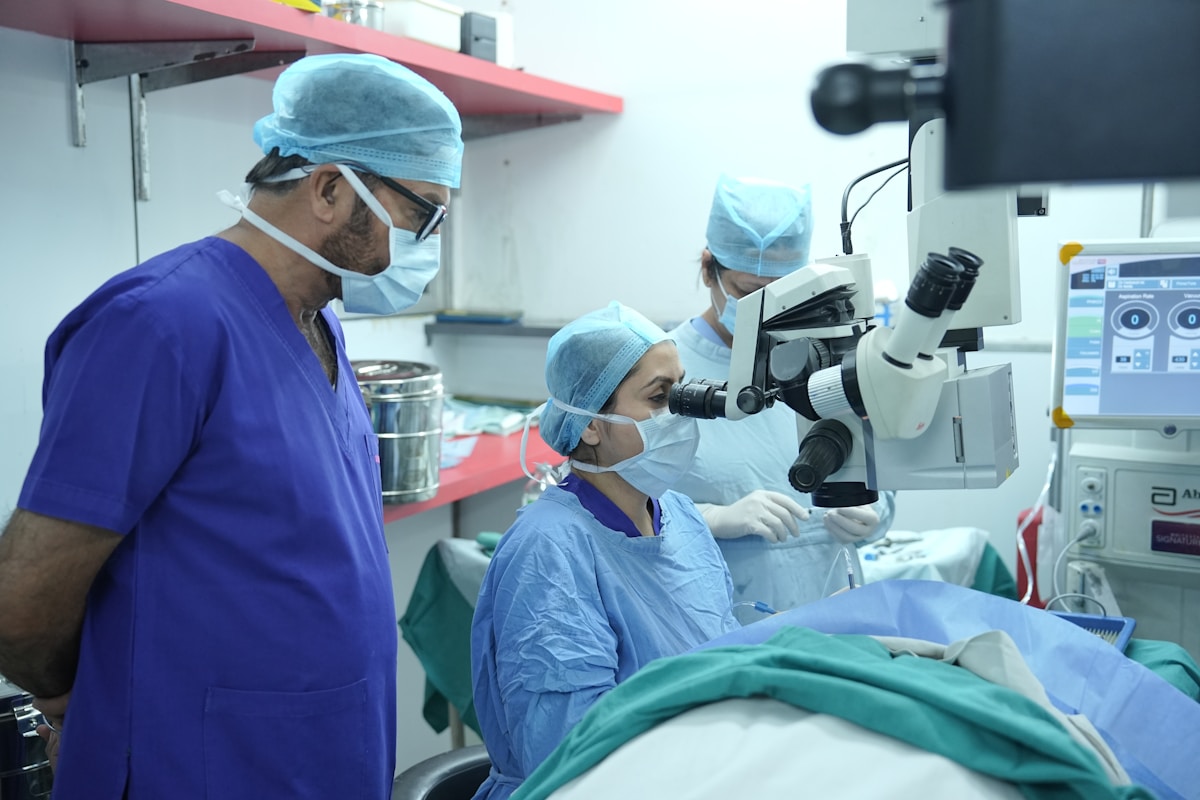
Anaesthetic drops numb both eyes. For LASIK: femtosecond flap creation (20 seconds), then excimer ablation (under 60 seconds). Eye tracker compensates for any eye movement during the laser. Whole procedure under 10 minutes per eye.
You rest for 30 minutes and are examined before discharge. Vision is blurry but improving within hours. LASIK patients see clearly by morning. Lubricating drops and a protective shield are used overnight.
1 day, 1 week, 1 month and 3 months post-op. Antibiotic and steroid drops for 2–4 weeks. Most patients achieve stable refraction by 3 months and are declared fit for driving, sports and all activities.
We turn away patients who are not suitable LASIK candidates — thin corneas, unstable refraction, keratoconus suspects — and offer them safer alternatives. Your long-term vision is more important than a surgery booking.
Full 3D corneal mapping detects early keratoconus and subclinical ectasia that would make LASIK dangerous. We screen every candidate — not just check thickness with pachymetry alone.
Custom ablation profiles based on your corneal wavefront map — correcting higher-order aberrations responsible for night glare, halos and reduced contrast sensitivity. Better vision quality than standard LASIK.
If your refraction shifts within 12 months and your corneal residual thickness is adequate, we offer enhancement treatment at no additional charge. We document everything from day one to support this commitment.
All three procedures deliver excellent long-term outcomes. The differences are in recovery, candidacy, and specific risk profile.
| Feature | Blade-Free LASIK | SMILE | PRK / Trans-PRK |
|---|---|---|---|
| Flap created | Yes (femtosecond) | No flap | No flap |
| Visual recovery | 24–48 hours | 1–3 days | 3–5 days |
| Dry eye risk | Moderate (flap cuts nerves) | Lowest | Moderate |
| Thin cornea suitable | Limited | Limited | Best option |
| Contact sport safe | Caution (flap dislodge risk) | Yes | Yes |
| Starting cost per eye | ₹35,000 | ₹45,000 | ₹30,000 |
Soft contact lenses: 2 weeks before. Rigid gas-permeable lenses: 3 weeks before. Do not wear contacts to your screening appointment. Bring your most recent spectacle prescription if available. No eye makeup on the day of screening or surgery.
Free candidacy screening consultation — includes Pentacam topography and corneal thickness assessment.