Medical Dermatology

Urticaria &
Skin Allergies

Hives that appear without warning, angioedema that frightens, itching that disrupts sleep — we investigate the root trigger, confirm with allergy testing where needed, and build a management plan that keeps you symptom-free long-term.

IgEAllergy panel on referral
SameDay acute management
ChronicUrticaria programme

Allergy consultation
₹600Starting consultation
Conditions We Treat

All Urticaria & Allergic
Skin Conditions Managed

From acute hives to chronic spontaneous urticaria — we identify the trigger, rule out systemic causes, and build a treatment plan that offers lasting control.

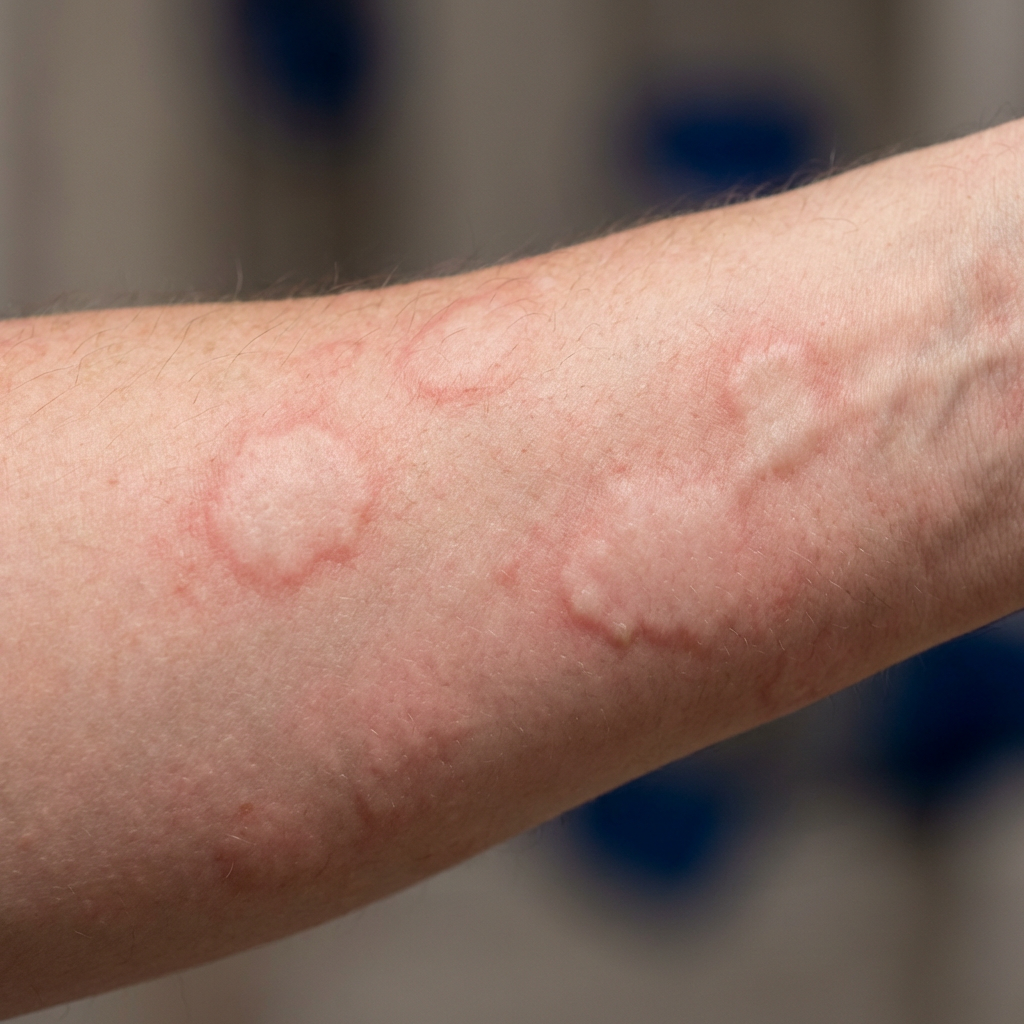
Acute urticaria hives
Antihistamines + Trigger ID

Acute Urticaria (Hives)

Sudden-onset wheals lasting under 6 weeks — often triggered by food, medication, or infection. We identify and eliminate the cause while prescribing non-sedating antihistamines for rapid symptom control.

Days–weeks₹600+
Chronic spontaneous urticaria hives
Second-generation AH Protocol

Chronic Spontaneous Urticaria

Hives and/or angioedema recurring for more than 6 weeks without a clear external trigger. We follow EAACI guidelines — stepped-up antihistamines, add-on ciclosporin or omalizumab referral for refractory cases.

3–12 months₹800+
Angioedema face swelling evaluation
Urgent Evaluation + Management

Angioedema

Deep swelling of lips, tongue, eyelids, or throat — can be life-threatening. We evaluate for hereditary versus allergic versus drug-induced (ACE inhibitor) cause and establish a safe long-term management plan.

Long-term plan₹800+
Allergic contact dermatitis patch testing
Patch Testing + Avoidance

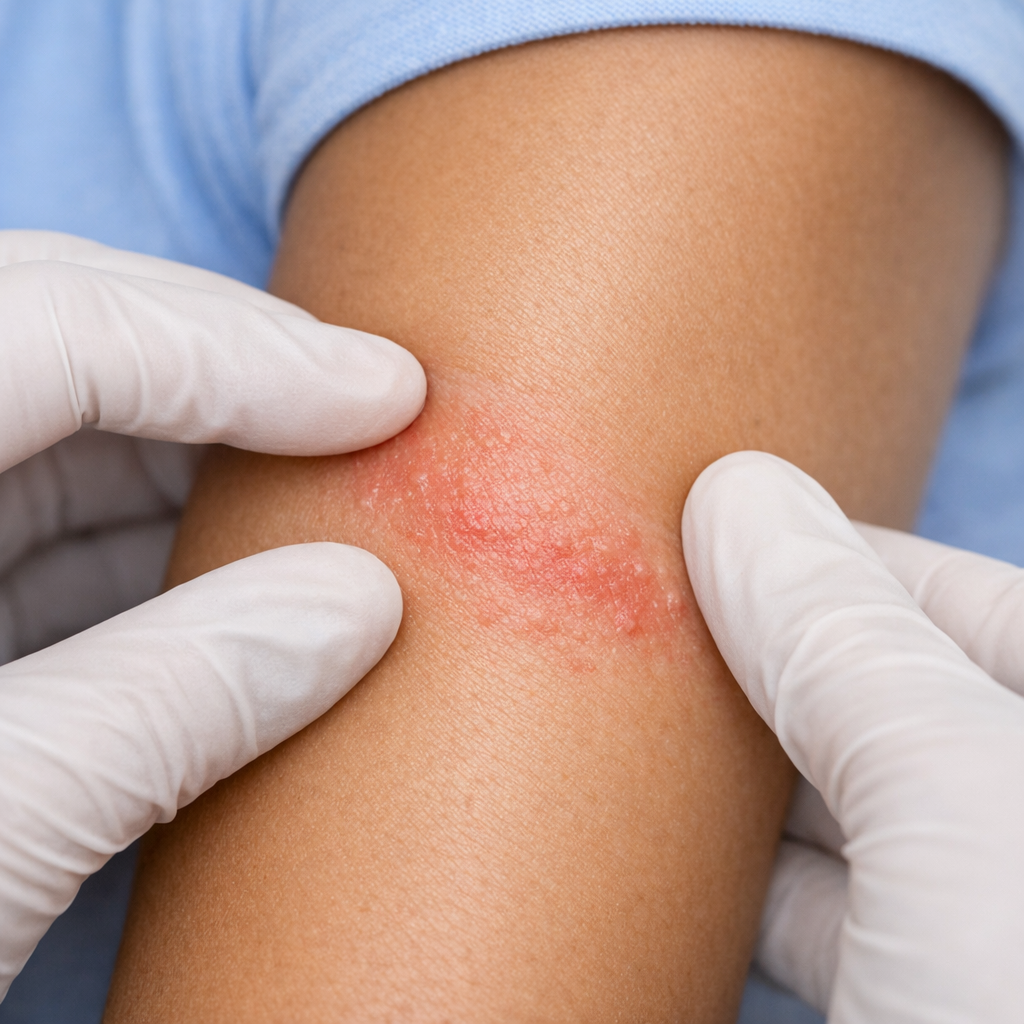
Allergic Contact Dermatitis

Itchy, blistering, or weeping rash after contact with an allergen — nickel, fragrances, rubber, preservatives. Our 36-allergen patch test panel identifies the culprit so you can avoid it definitively.

2–4 weeks₹1,500+
Dermographism physical urticaria diagnosis
Physical Trigger Protocol

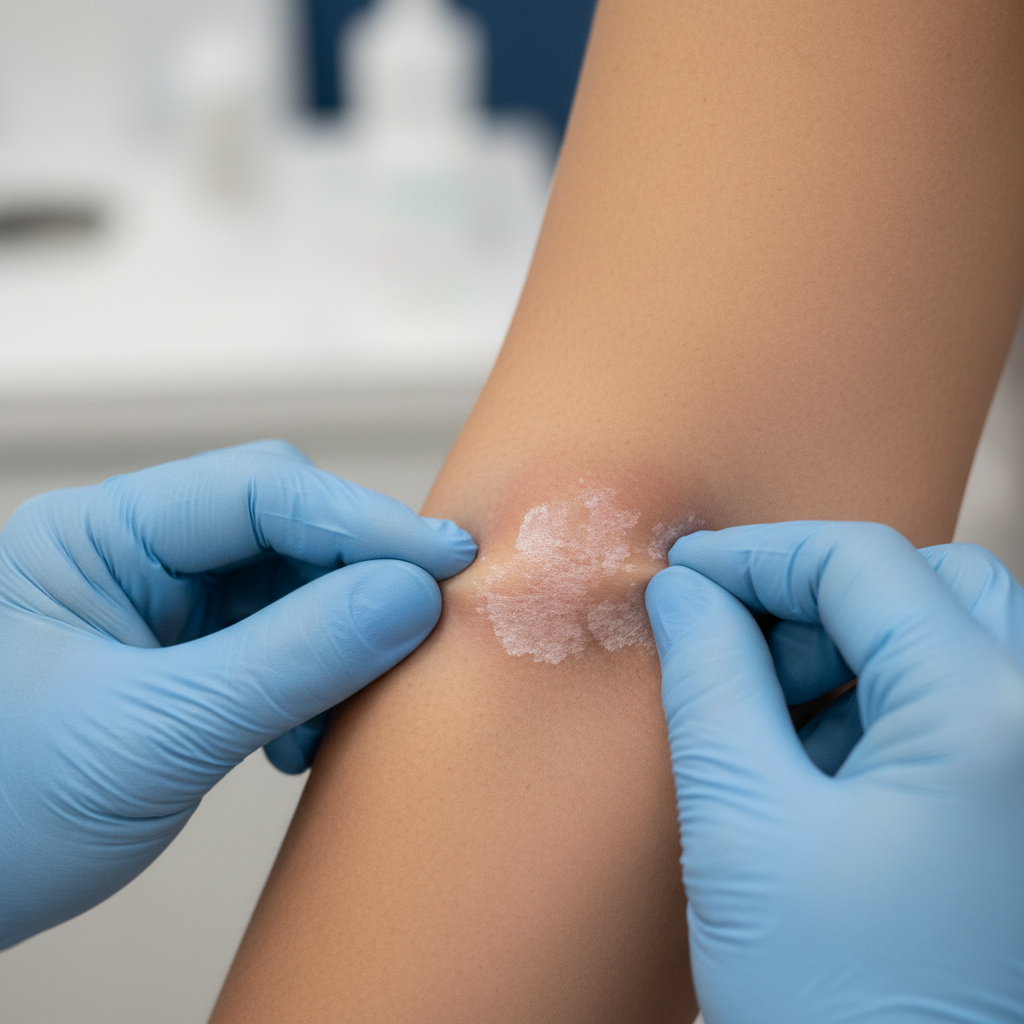
Physical Urticarias

Hives triggered by pressure, cold, heat, exercise, or sunlight — dermographism, cold urticaria, cholinergic urticaria. Diagnosed by provocation testing; managed with targeted antihistamine dosing and trigger avoidance.

Ongoing management₹700+
Drug reaction skin allergy treatment
Drug Allergy Workup

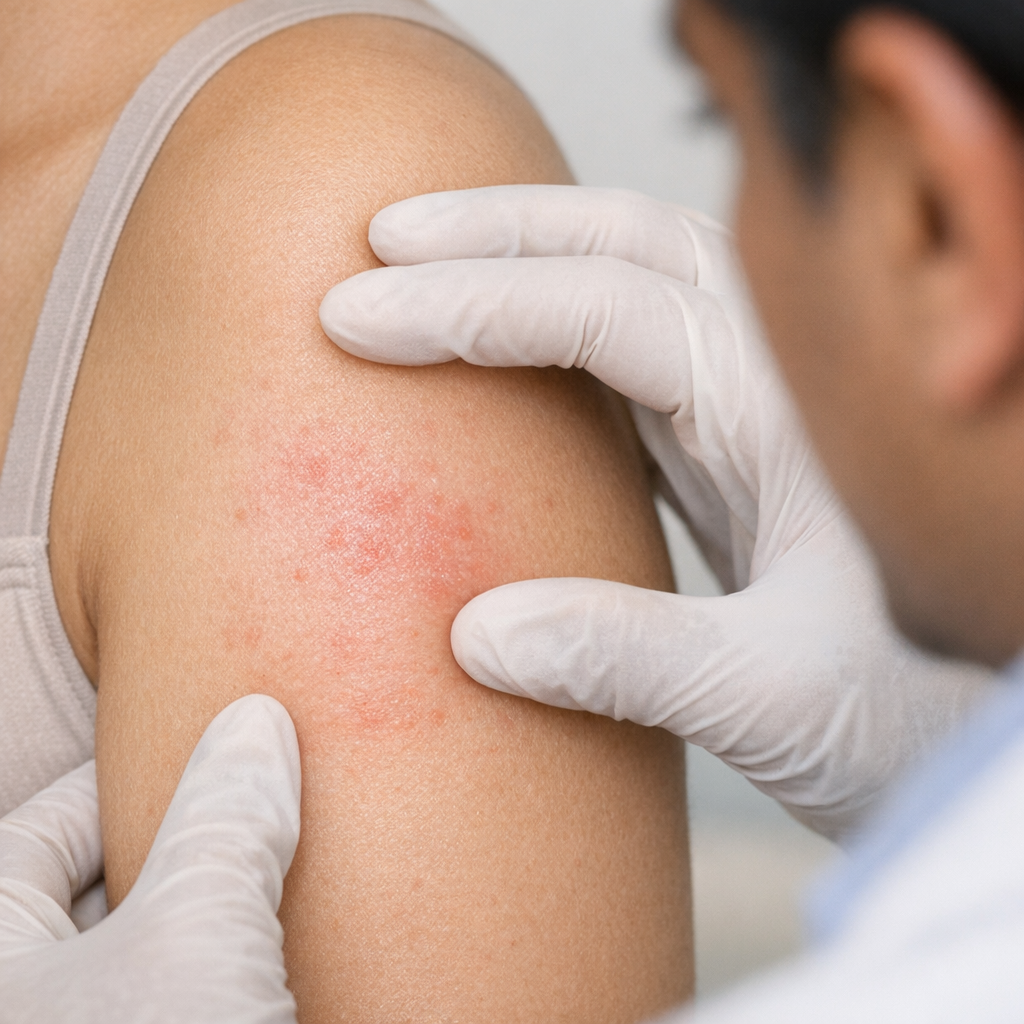
Drug-Induced Skin Reactions

Maculopapular rash, urticaria, fixed drug eruption, or severe reactions (SJS/TEN) from antibiotics, NSAIDs, or other medications. We identify the offending drug, grade severity, and coordinate safe alternatives.

Urgent review₹700+
Our Approach

From Trigger Identification
to Long-Term Control

1

Detailed Allergy History

We capture onset, duration, pattern, potential triggers (foods, drugs, infections, stress), previous treatments, and family history of atopy to narrow the differential before any testing.

2

Clinical Examination & Provocation

Dermographism test, ice cube challenge for cold urticaria, pressure testing — physical urticarias are diagnosed clinically without expensive panels, guiding targeted therapy.

3

Targeted Allergy Panel / Patch Testing

Where contact allergy is suspected, a 36-allergen patch test is applied. Specific IgE or total IgE is ordered only when food or inhalant allergy is genuinely suspected — not as a default.

4

Evidence-Based Treatment Protocol

Second-generation antihistamines (cetirizine, fexofenadine, bilastine) at standard then up-titrated doses. Montelukast add-on, short oral steroid bursts for acute flares — never long-term oral steroids for urticaria.

5

Trigger Avoidance Plan

Written allergen avoidance guide — specific foods, cosmetic ingredients, medications, physical factors. Cross-reacting allergens explained to prevent inadvertent exposure.

6

Monitoring & Step-Up if Needed

Chronic urticaria patients are reviewed at 4 and 12 weeks. Non-responders are referred for omalizumab (Xolair) or ciclosporin under specialist supervision.

Allergy consultation process
Why Supreme Elite Clinic

Precise Diagnosis,
Not Just Symptom Suppression

Most urticaria is managed with antihistamines indefinitely — we go further to find the cause and eliminate it wherever possible.

36-Allergen Patch Test Panel

Comprehensive contact allergen panel identifies the exact culprit — from nickel and fragrances to preservatives and rubber chemicals.

Same-Day Acute Management

Severe urticaria or angioedema is treated the same day — antihistamines, corticosteroids, and adrenaline auto-injector prescription where indicated.

EAACI Guideline-Based Care

Management follows European Academy of Allergy & Clinical Immunology urticaria guidelines — evidence-based step-up protocols, not guesswork.

Written Allergen Avoidance Guide

Every patient receives a personalised written guide listing confirmed and cross-reacting allergens — practical, specific, and actionable.

Allergy management specialist
80%Achieve symptom control within 4 weeks
36Allergen patch test panel
Treatment Comparison

Why Structured Allergy Care
Outperforms Self-Management

Criterion Supreme Elite Clinic Pharmacy Antihistamines GP Visit Only Ignoring the Condition
Trigger identification✓ Systematic workup✗ NoneBasic history✗ None
Patch testing✓ 36 allergens✗ Not available✗ Not available✗ None
Chronic urticaria protocol✓ EAACI step-up✗ NoneBasic antihistamines✗ None
Angioedema safety plan✓ Included✗ No planSometimes✗ Risk of anaphylaxis
Allergen avoidance guide✓ Written, personalised✗ NoneVerbal only✗ None
Long-term remission goal✓ Active aim✗ Symptom suppression onlySometimes✗ Ongoing suffering
Treatment Toolkit

Evidence-Based Tools
for Allergy Management

Patch Testing Panel

36 standardised European baseline allergens applied to the back for 48 hours, read at 48h and 96h for delayed hypersensitivity.

Contact Allergy

Antihistamine Dose Optimisation

Non-sedating second-generation antihistamines (cetirizine, fexofenadine, bilastine) dosed at standard and up to 4× standard per EAACI guidelines.

First-Line Therapy

Provocation Testing

Ice cube test for cold urticaria, dermographometer for symptomatic dermographism, exercise challenge for cholinergic urticaria — diagnose physical triggers precisely.

Physical Urticaria

Omalizumab Referral

For antihistamine-refractory chronic urticaria, we coordinate referral for omalizumab (Xolair) — a biologic that targets IgE for rapid and sustained remission.

Refractory Cases
Common Questions

Urticaria & Allergy FAQs

Acute urticaria lasts less than 6 weeks and usually has an identifiable trigger (food, drug, infection). Chronic urticaria persists beyond 6 weeks — in most cases no external trigger is found (chronic spontaneous urticaria), though it remains very treatable with the right antihistamine protocol.
Not always. Most chronic urticaria is not IgE-mediated, so a specific IgE panel rarely changes management. We order blood tests selectively — total IgE, eosinophil count, thyroid antibodies — only when clinically indicated, not as a default.
Patches are applied on Day 0 and kept dry for 48 hours. They are removed and read on Day 2, with a final reading on Day 4. You'll need three clinic visits over 4 days, but the result is definitive — you'll know exactly what to avoid.
Not necessarily. Chronic spontaneous urticaria naturally remits in 30–50% of patients within 1 year. We aim to achieve minimal-symptom disease, then cautiously step down treatment. For contact allergies, allergen avoidance alone can give permanent clearance.
Most urticaria is uncomfortable but not life-threatening. However, angioedema involving the throat can cause airway compromise, and anaphylaxis is a medical emergency. We assess every patient for anaphylaxis risk and prescribe adrenaline auto-injectors where appropriate.

Pricing Guide

Consultation + history₹600+
36-allergen patch test (3 visits)₹1,500+
Specific IgE panel (if indicated)₹800+
Antihistamine prescription₹200+
Chronic urticaria review₹500+
Book an Appointment

Find Your Trigger.
Reclaim Comfort.

Same-day consultations available. Call +91 96774 73344 or book online.

EAACI Guidelines 36-Allergen Patch Testing Same-Day Acute Care Kelambakkam OMR Chennai