Gentle Pediatric Dental Care · Kelambakkam & Padur
Dentures in Kelambakkam & Padur
Personalized Options for Replacing Missing
Teeth
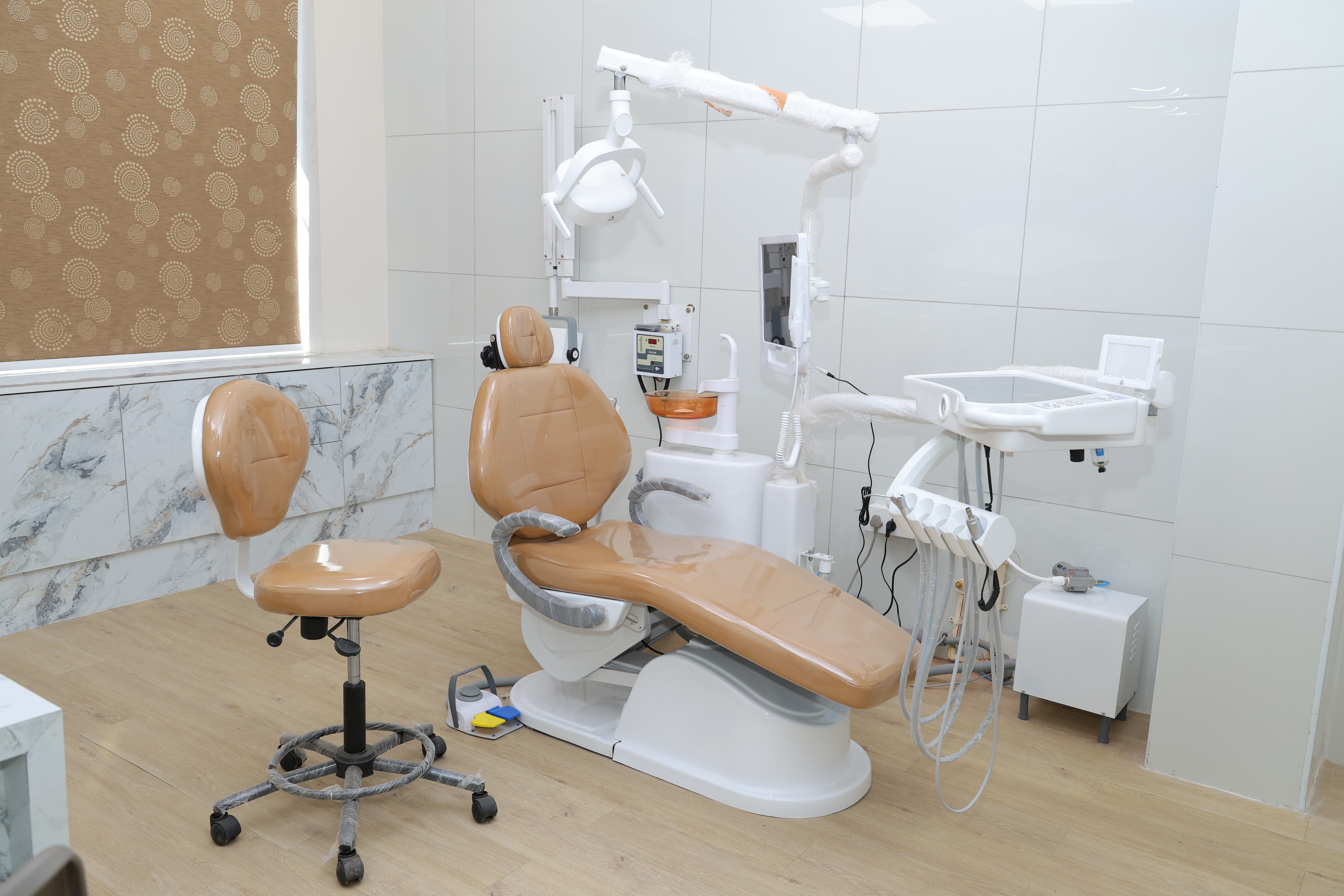
Dentures are removable dental appliances used to replace missing teeth. Depending on the extent of tooth loss, they may replace several missing teeth or all the teeth in an upper or lower arch. The appropriate option depends on factors such as the number and position of missing teeth, the condition of the remaining teeth, gums and oral tissues, and the individual's dental needs.
For patients looking for dentures in Kelambakkam or Padur,Supreme Elite Clinic provides an opportunity to discuss tooth loss and possible replacement options based on individual oral conditions. The clinic is located at Plot No. 4, Sri Renukambal Nagar, Kelambakkam, Chennai, Tamil Nadu 603103 with consultation timings from10:00 AM AM to 9:00 PM.
A denture consultation is not simply about replacing a visible gap. The dentist needs to understand the condition of the mouth, the remaining teeth and supporting tissues, as well as what the patient wants to achieve from tooth replacement.
Dentures are removable appliances designed to replace missing natural teeth. Depending on the extent of tooth loss, they may be used to replace multiple teeth or all teeth in a particular arch.
A denture is planned according to the individual's oral structures rather than being treated as a standard appliance that is suitable for everyone. The number and location of missing teeth, remaining natural teeth, gums, oral tissues and functional requirements can all influence the treatment discussion.
For some patients, the main concern may be difficulty chewing. For others, replacing visible missing teeth or improving confidence while speaking and interacting may be more important. Understanding these individual concerns helps make the consultation more meaningful.
People who have lost some or all of their natural teeth may be considered for dentures, depending on their oral condition and treatment requirements.
Tooth loss can occur for different reasons, and the effect it has on everyday life can vary considerably. A person who has lost a few teeth may have different replacement needs from someone who has lost most or all of the teeth in an arch.
A denture may be one option for replacing missing teeth, but suitability should be determined after a dental assessment rather than simply from the number of teeth that are missing.
Not everyone experiences the same difficulties, and not everyone with missing teeth will require dentures. The purpose of an assessment is to understand the individual's situation and discuss appropriate options.
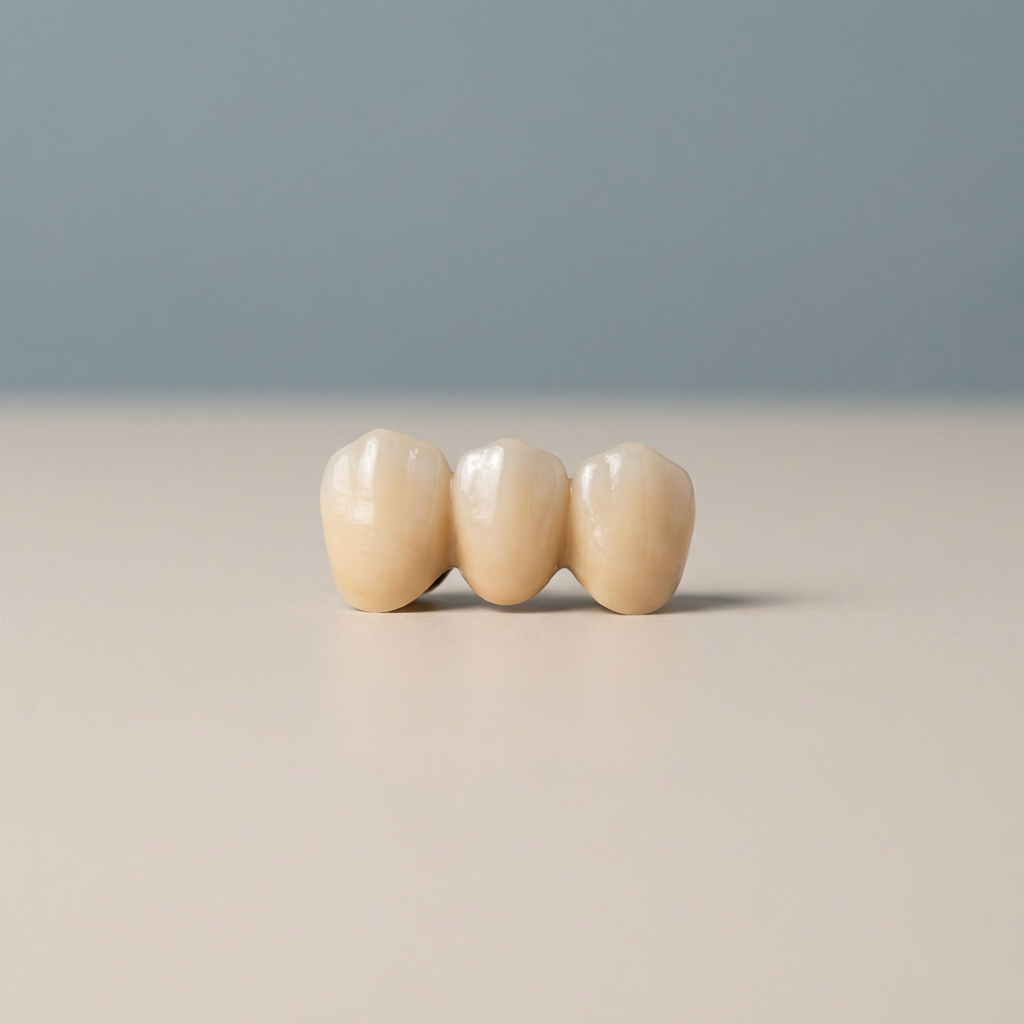
The two broad categories commonly considered are partial dentures and complete dentures.
Partial dentures may be considered when some natural teeth remain. They can replace multiple missing teeth while working alongside the patient's existing teeth.
The position and condition of the remaining teeth are important when considering the design. A partial denture therefore needs to be planned in relation to the rest of the mouth rather than only the spaces created by missing teeth.
Complete dentures may be considered when all natural teeth are missing from an upper or lower arch.
Their design needs to take the individual's oral anatomy and supporting tissues into account. Assessment is important because the conditions within the mouth can differ significantly between patients.
| Consideration | Partial Denture | Complete Denture |
|---|---|---|
| Natural teeth | Some natural teeth remain | No natural teeth in the treated arch |
| Purpose | Replaces multiple missing teeth | Replaces all teeth in an arch |
| Planning | Considers remaining teeth and oral tissues | Considers the anatomy and supporting tissues |
| Design | Adapted to the existing dental structures | Designed for the individual arch |
| Suitability | Depends on the patient's remaining teeth and oral condition | Depends on the condition of the edentulous arch and supporting tissues |
The appropriate option can only be determined after considering the patient's individual dental circumstances.
A dental assessment helps determine whether dentures are appropriate and which type may be suitable for the patient's individual circumstances. The dentist considers the missing teeth, remaining teeth where present, gums, oral tissues, oral anatomy, functional needs and treatment expectations before discussing available options.
This is important because two people with a similar pattern of tooth loss may still have very different treatment requirements.
This approach helps ensure that denture planning is based on the patient's mouth and circumstances rather than a one-size-fits-all assumption.
A denture consultation generally begins by understanding why the patient is considering tooth replacement and what difficulties they are experiencing.
The reason for tooth loss: Understanding the patient's dental history provides useful context for treatment planning.
Remaining natural teeth: When teeth remain, their condition and position may influence the options available.
Gums and oral tissues: The supporting tissues are considered as part of the overall assessment.
Daily requirements: Eating, speaking, appearance and comfort may all be relevant to the patient's expectations.
Available options: Eating, speaking, appearance and comfort may all be relevant to the patient's expectations.
Available options: Once the clinical situation has been assessed, the dentist can explain which approaches may be appropriate and what the patient should expect.
The goal is to help the patient understand the reasoning behind the treatment options rather than simply selecting a denture based on appearance.
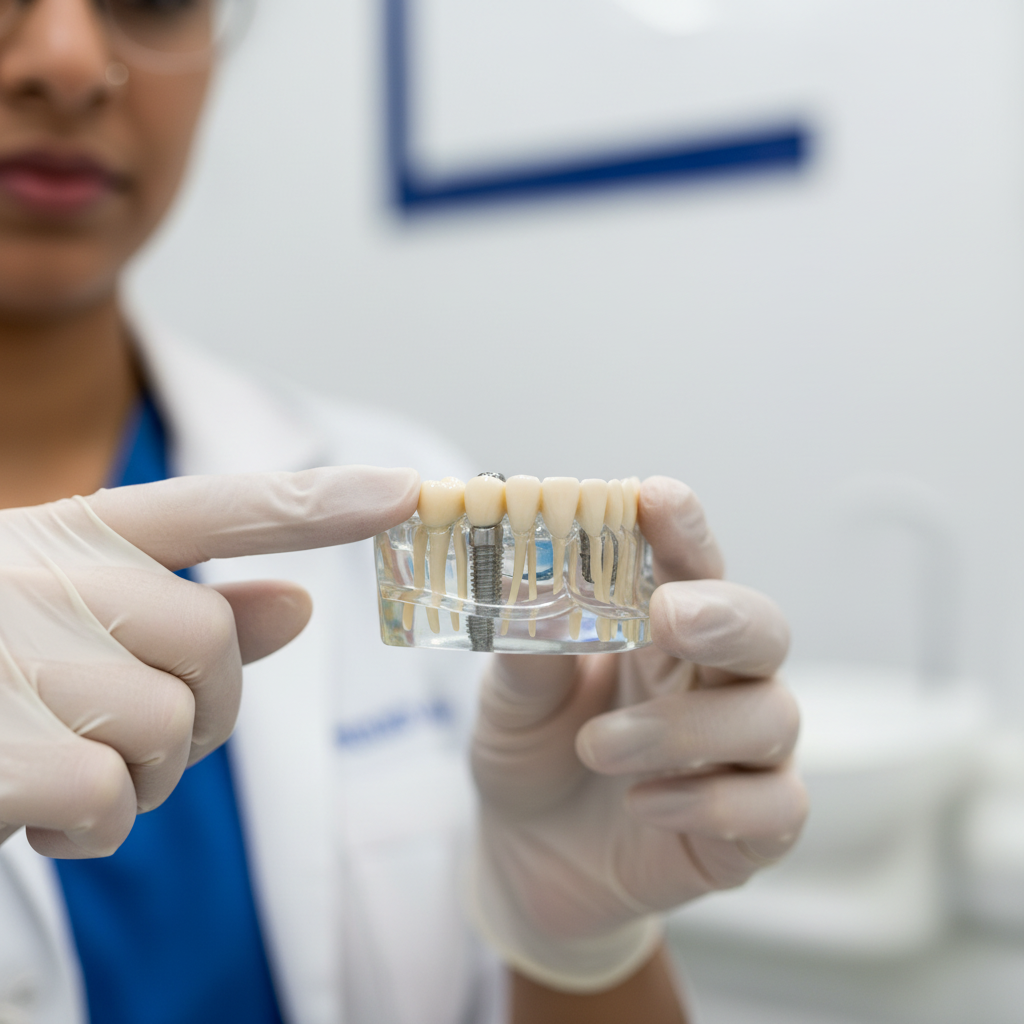
The location of missing teeth can affect the type of replacement being considered. Multiple missing teeth in different areas may require a different approach from a more concentrated area of tooth loss.
For partial dentures, the remaining teeth are an important consideration. Their condition and position can influence how the appliance is planned.
The condition of the tissues supporting the denture is relevant to treatment planning. Any existing oral concerns may need to be considered before proceeding.
Every patient's mouth has its own anatomical characteristics. These structures can influence how a denture is designed and supported.
Patients may have different priorities. Eating, speaking, appearance and everyday confidence can all form part of the treatment discussion.
Patients who have worn dentures before may have specific concerns about comfort, movement, speech or maintenance. Sharing these experiences can help make the consultation more useful.
Not necessarily. Missing teeth do not automatically mean that dentures are the appropriate solution. Suitability depends on the individual's oral condition, remaining teeth, supporting tissues, anatomy, functional requirements and expectations.
In some situations, other dental concerns may need to be addressed before tooth replacement is planned. Depending on the patient's circumstances, alternative approaches may also need to be discussed.
The important consideration is that the treatment decision should follow an appropriate dental assessment.
Before proceeding with dentures, patients may want to consider what they want the replacement to achieve.
Understanding these practical considerations can help patients approach treatment with more realistic expectations.
Replacing missing teeth involves more than filling empty spaces. The remaining teeth, gums, oral tissues and anatomical structures all form part of the treatment consideration.
At Supreme Elite Clinic, patients from Kelambakkam, Padur and surrounding areas can discuss their tooth-replacement concerns with Dr. Jessica Yolanda Jeevitha, MDS, Oral & Maxillofacial Surgeon, with 9+ years of experience.
The consultation provides an opportunity to understand the available denture options, discuss individual concerns and determine what may be appropriate based on the patient's dental condition.
Once a denture has been identified as a suitable option, the next stage is planning an appliance that works with the patient's individual oral structures. The process is not simply about choosing replacement teeth. The dentist considers the mouth, remaining teeth where present, supporting tissues, functional needs and the patient's expectations before the denture is prepared.
Depending on the type of denture, measurements or impressions of the mouth may be required to help create an appliance suited to the individual's anatomy. The details of the process can vary according to the type of denture and the patient's dental condition.
A new denture may initially feel unfamiliar. The tongue and other structures in the mouth need time to become accustomed to the appliance, particularly for someone wearing dentures for the first time.
Eating and speaking may also feel different during the initial adjustment period. Patients should follow the instructions provided by their dental professional and allow themselves time to become familiar with the appliance.
However, persistent discomfort, repeated movement or difficulty using the denture should not simply be ignored. If a problem continues, a dental review can help determine whether the appliance needs professional assessment or adjustment.
Eating with a new denture can require some practice. Patients may initially find certain foods more difficult to manage while they become familiar with the appliance.
Starting with foods that are easier to chew and gradually becoming comfortable with different textures may make the adjustment more manageable. The way food is positioned and chewed can also affect how comfortable the denture feels.
A denture does not function in exactly the same way as natural teeth. Therefore, expectations should be realistic, particularly during the early adjustment period.
If the denture repeatedly moves, causes discomfort or makes eating difficult, speak with the dentist rather than continuing to tolerate the problem.
A new denture can temporarily make speaking feel different because the tongue interacts with the appliance during pronunciation.
Some people need time to become familiar with the new shape and position inside the mouth. Regular speaking can help the patient become more accustomed to the appliance.
If speech difficulties continue or the denture repeatedly moves while speaking, a dental assessment may be appropriate. The dentist can determine whether the concern is related to the fit or requires further attention.
A denture adjustment involves professionally assessing or modifying an appliance when it does not feel or function as expected.
Patients should not attempt to cut, reshape or modify a denture themselves. Professional assessment is important before any adjustment is made.
The way a denture fits can change over time. Following tooth loss, the tissues and underlying structures of the mouth can change, which may alter the relationship between the appliance and the supporting tissues.
A change in fit does not automatically mean that a new denture is required. The appropriate solution depends on the condition of the existing appliance and the patient's current oral structures.
A dental review can help determine whether an adjustment, repair, replacement or another approach needs to be considered.
Denture care is an important part of maintaining the appliance and supporting good oral hygiene.
Patients should follow the cleaning and care instructions provided by their dental professional. The mouth itself also needs regular attention, even when many or all natural teeth have been replaced.
For people wearing partial dentures, the remaining natural teeth still require routine brushing and professional dental care.
Cleaning and storage instructions can vary depending on the individual appliance and oral condition. Personalised advice from the dental team is therefore preferable to relying only on a general online routine.
For patients wearing partial dentures, the natural teeth that remain are an important part of their ongoing oral health.
A partial denture is designed to work alongside those teeth, but the remaining teeth still require appropriate oral hygiene and regular professional care.
This means getting a partial denture does not replace the need to look after the natural teeth. Maintaining the remaining dentition can remain an important part of the patient's overall dental care.
A new appliance may require some adjustment, but ongoing discomfort should not be treated as something a patient simply has to accept.
There can be different reasons for these changes. The appliance may require professional attention, or changes in the mouth may have affected its fit.
Age alone does not determine whether dentures are appropriate. People can experience tooth loss for different reasons, and treatment decisions depend on their individual dental circumstances.
Dental care does not necessarily end once a denture has been provided. Patients may still need reviews, particularly when natural teeth remain or when the fit and comfort of the appliance change.
Denture design depends on factors such as tooth loss, remaining teeth, oral anatomy and supporting tissues. An appliance therefore needs to be planned around the individual patient.
Some unfamiliarity can occur while adapting to a new denture, but persistent soreness or difficulty should be discussed with a dental professional.
Patients should avoid attempting to reshape or modify their dentures themselves. If an appliance is uncomfortable or unstable, professional assessment is the safer approach.
A review may be appropriate if the denture becomes uncomfortable, repeatedly moves, interferes with eating or speaking, or feels noticeably different from when it was first provided.
A review also gives patients an opportunity to discuss practical concerns about cleaning, daily use and changes in the appliance's fit.
The purpose of follow-up is not simply to examine the denture. It allows the dentist to understand how the appliance is working in everyday life and determine whether any further attention is appropriate.
For patients considering dentures in Kelambakkam and Padur, understanding the adjustment period can help set realistic expectations. A denture is designed for an individual's mouth, but becoming comfortable using it is still a process.
At Supreme Elite Clinic, patients can discuss their concerns with Dr. Jessica Yolanda Jeevitha, MDS, Oral & Maxillofacial Surgeon, with 9+ years of experience, and receive guidance based on their individual dental circumstances.
The focus should remain on understanding the appliance, using it appropriately, maintaining oral hygiene and seeking professional advice when something does not feel right.
Choosing dentures is a personal dental decision, and patients may have different concerns about comfort, appearance, chewing, speech and long-term maintenance. A useful consultation should therefore give the patient enough information to understand the available options and what the treatment process may involve.
At Supreme Elite Clinic, patients can discuss their denture requirements with Dr. Jessica Yolanda Jeevitha, MDS, Oral & Maxillofacial Surgeon, with 9+ years of experience. The consultation can focus on the patient's individual dental condition, existing concerns and expectations before an appropriate denture option is considered.
Plot No. 4, Sri Renukambal Nagar, Kelambakkam, Chennai,
Tamil Nadu 603103
Clinic Timings: 10:00 AM – 9:00 PM
Patients from Kelambakkam, Padur and surrounding areas can visit the clinic to discuss missing teeth and possible tooth-replacement options.
A denture consultation is also an opportunity for patients to ask questions before making a treatment decision.
Having these questions answered can help patients understand the treatment rather than making a decision based only on appearance or cost.
If missing teeth are affecting your ability to eat, speak comfortably or feel confident about your smile, a dental consultation can help you understand the available replacement options.
At Supreme Elite Clinic, patients in Kelambakkam, Padur and nearby areas can discuss their individual denture requirements with Dr. Jessica Yolanda Jeevitha, MDS, Oral & Maxillofacial Surgeon, with 9+ years of experience.
Rather than choosing a denture based only on a general description, an individual assessment can help you understand which options may be relevant to your oral condition and what to expect throughout the treatment journey.
Supreme Elite Clinic
Plot No. 4, Sri Renukambal Nagar, Kelambakkam, Chennai,
Tamil Nadu 603103
Timings: 10:00 AM – 9:00 PM
Book a consultation to discuss your denture needs and available treatment options.
Book Child ConsultationOur gentle dental team will assess your child's teeth, examine growth milestones, and guide you on home oral care in a stress-free environment.