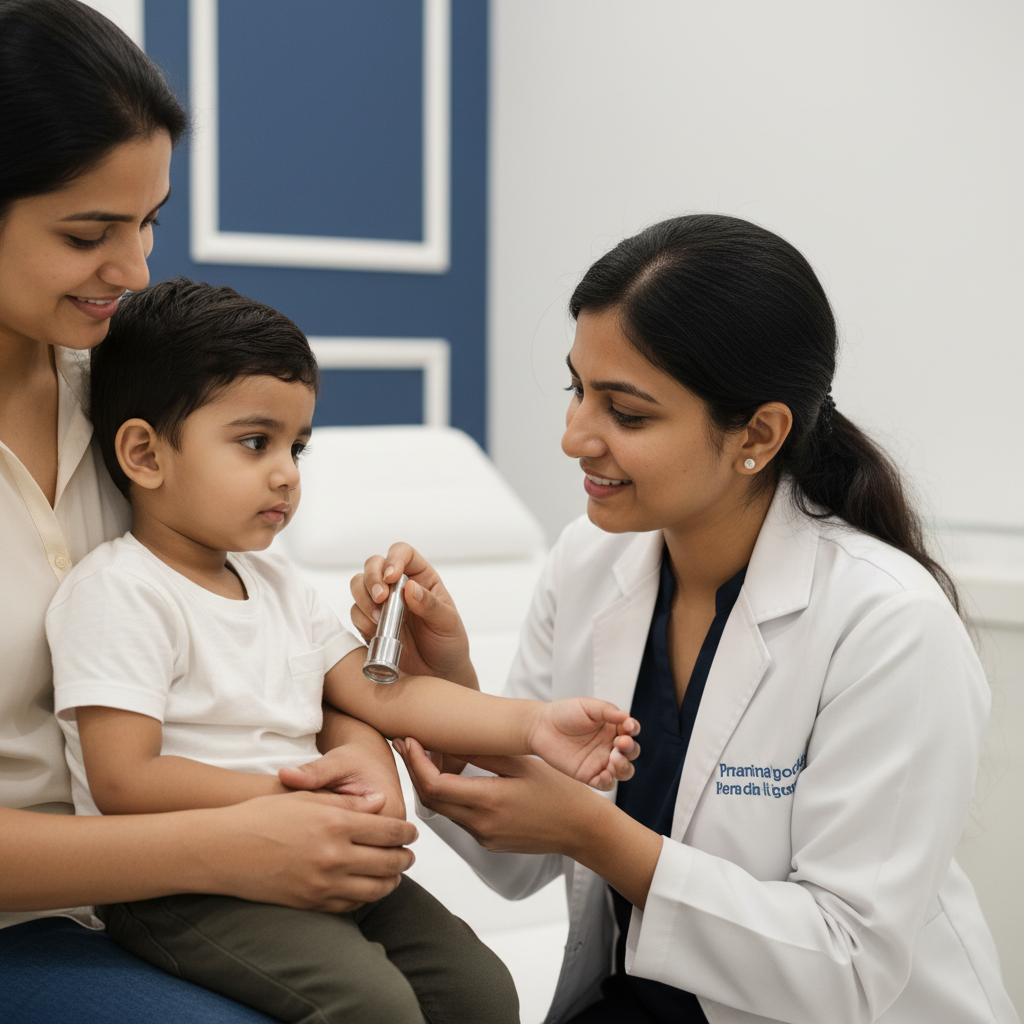
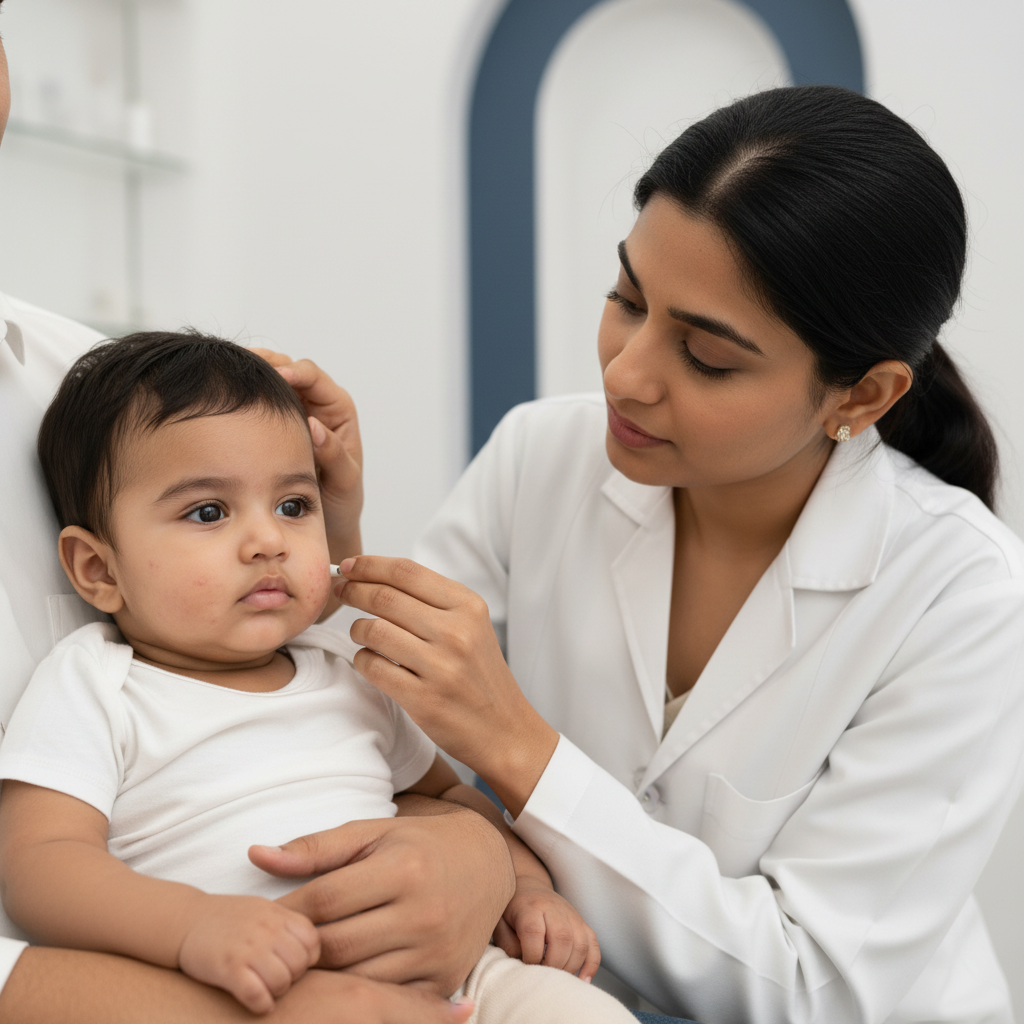
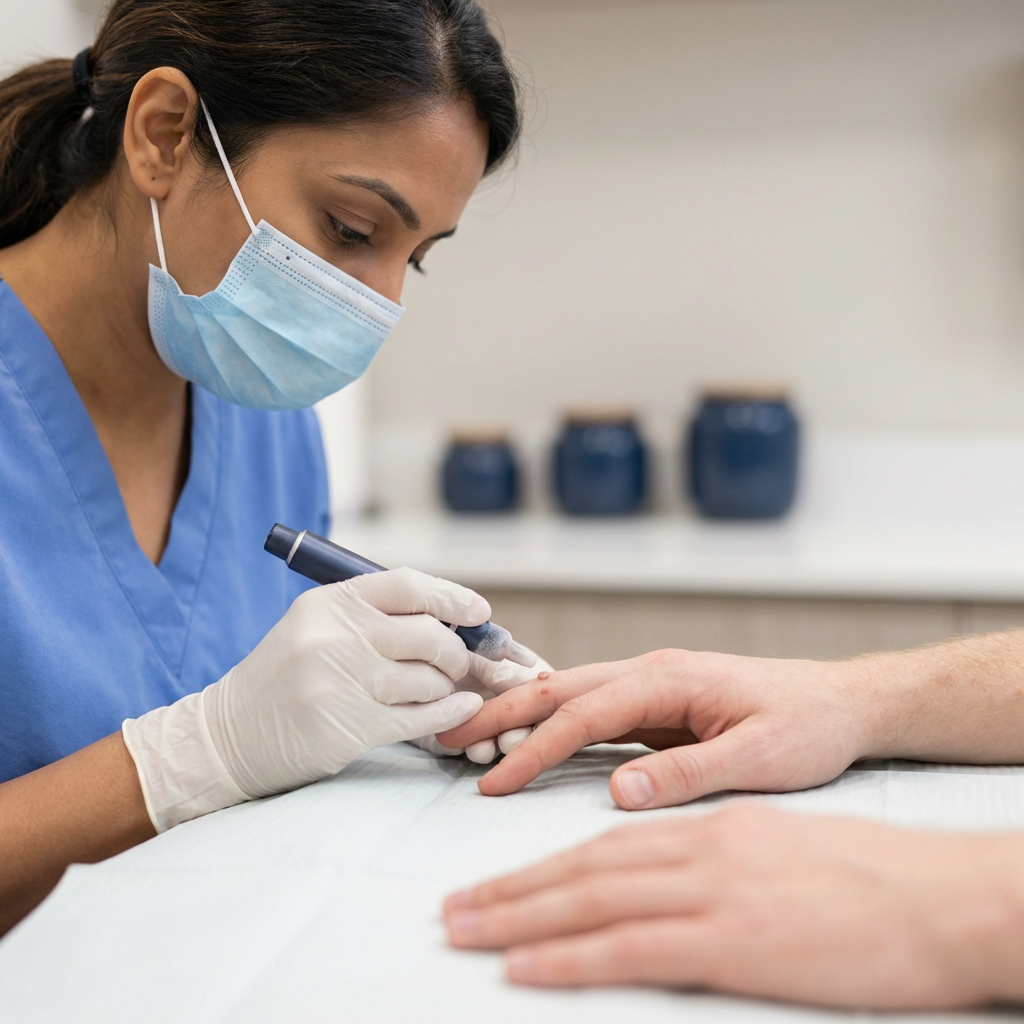
Children's skin is different — thinner, more permeable, and more reactive than adult skin. Diagnosis, dosing, and treatment selection all need to be age-appropriate. We treat infants through teenagers with gentle, evidence-based dermatology care.
From newborn rashes to teenage acne — we diagnose and treat all paediatric skin conditions with age-appropriate, safe therapies and clear parent education.
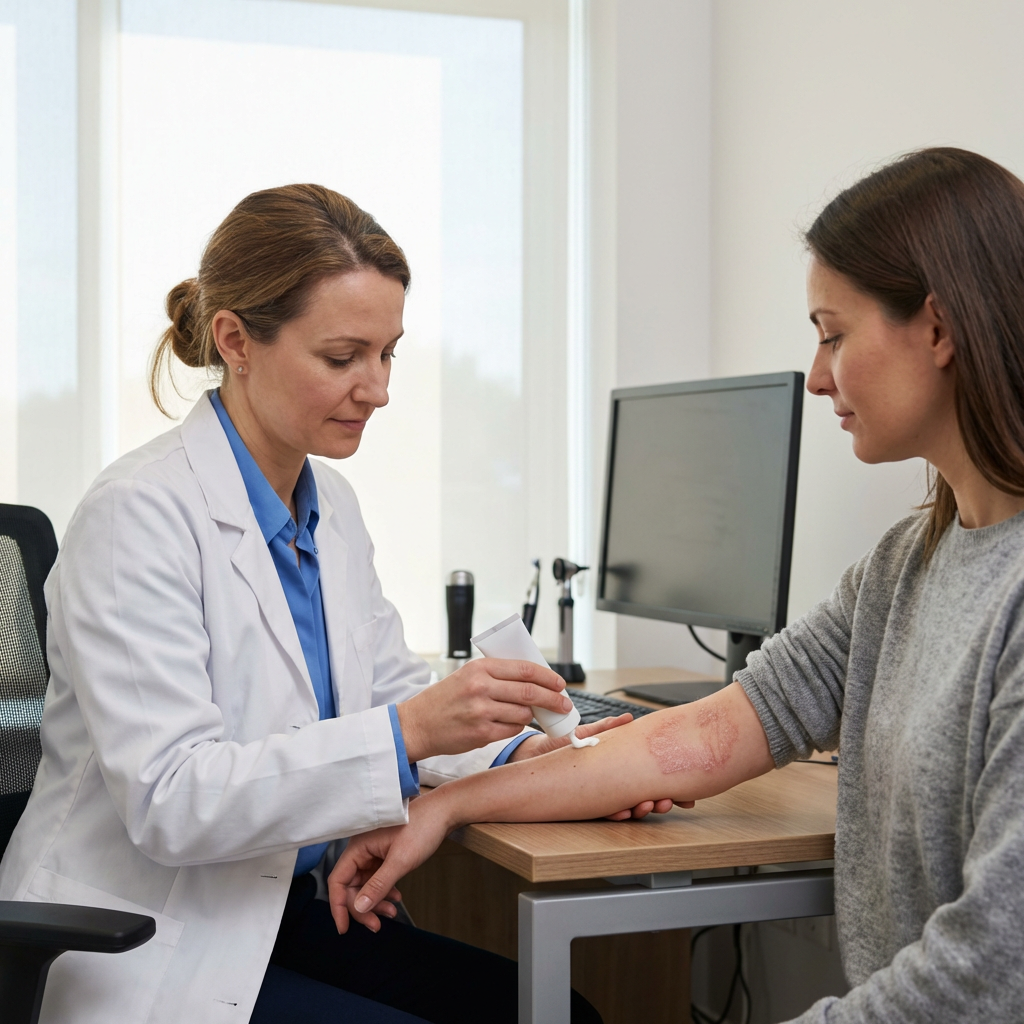
The most common paediatric skin condition — itchy, inflamed skin that disrupts sleep and leads to scratching cycles. We prescribe age-appropriate emollients, mild topical corticosteroids, and TCI alternatives (tacrolimus from age 2+) with written bathing and skin care routines for parents.
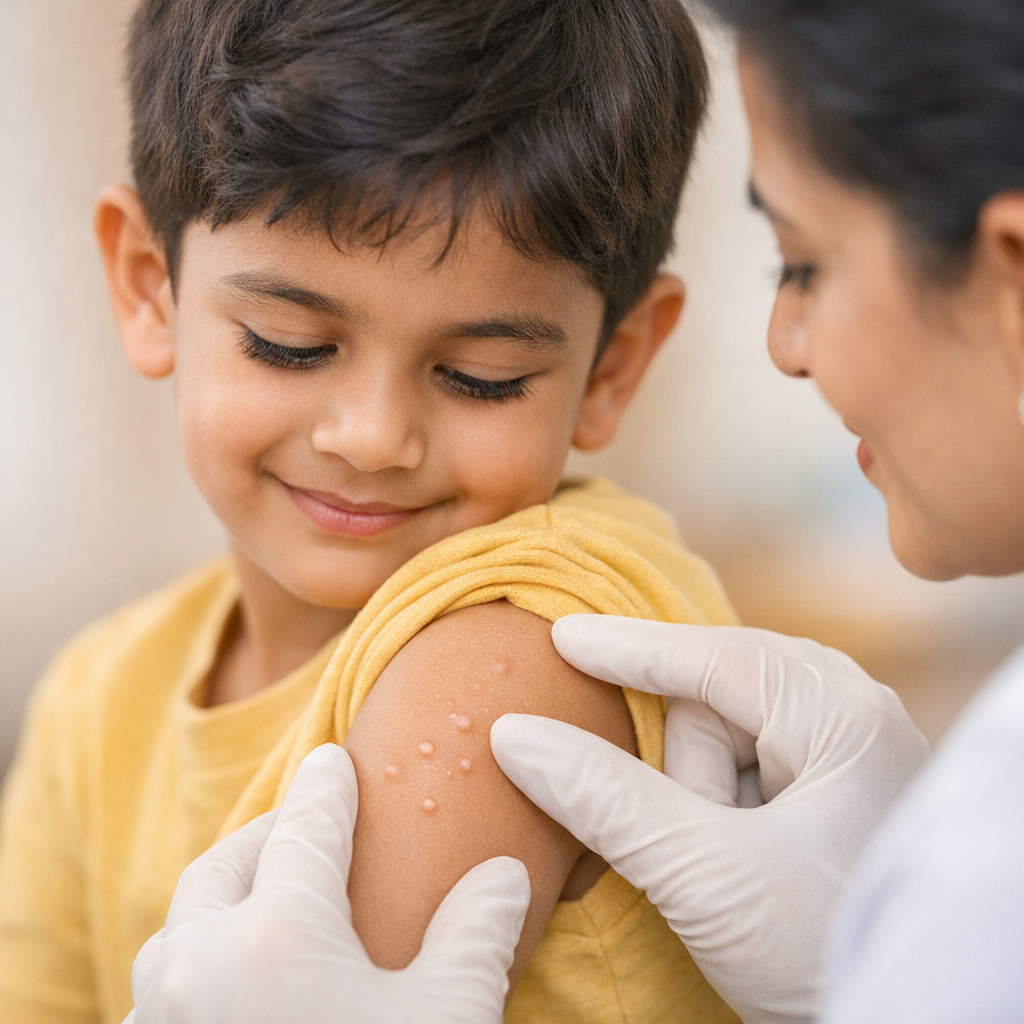
Pearly viral skin bumps that spread easily at school and in pools — especially problematic in children with eczema. We use the gentlest effective method (topical cantharidin, gentle extraction) and counsel parents on spread prevention and swimming pool rules.
Irritant contact dermatitis from prolonged nappy contact — distinguished from Candidal superinfection (satellite lesions) which requires antifungal treatment. We identify the cause and give a precise management plan with nappy change frequency and barrier cream application guidance.
Patchy hair loss and scaling on the scalp from fungal infection — confirmed by KOH. Requires oral antifungal (griseofulvin or terbinafine) for 3–4 months as topicals don't penetrate the hair follicle. We screen siblings and treat contacts to prevent spread at school.
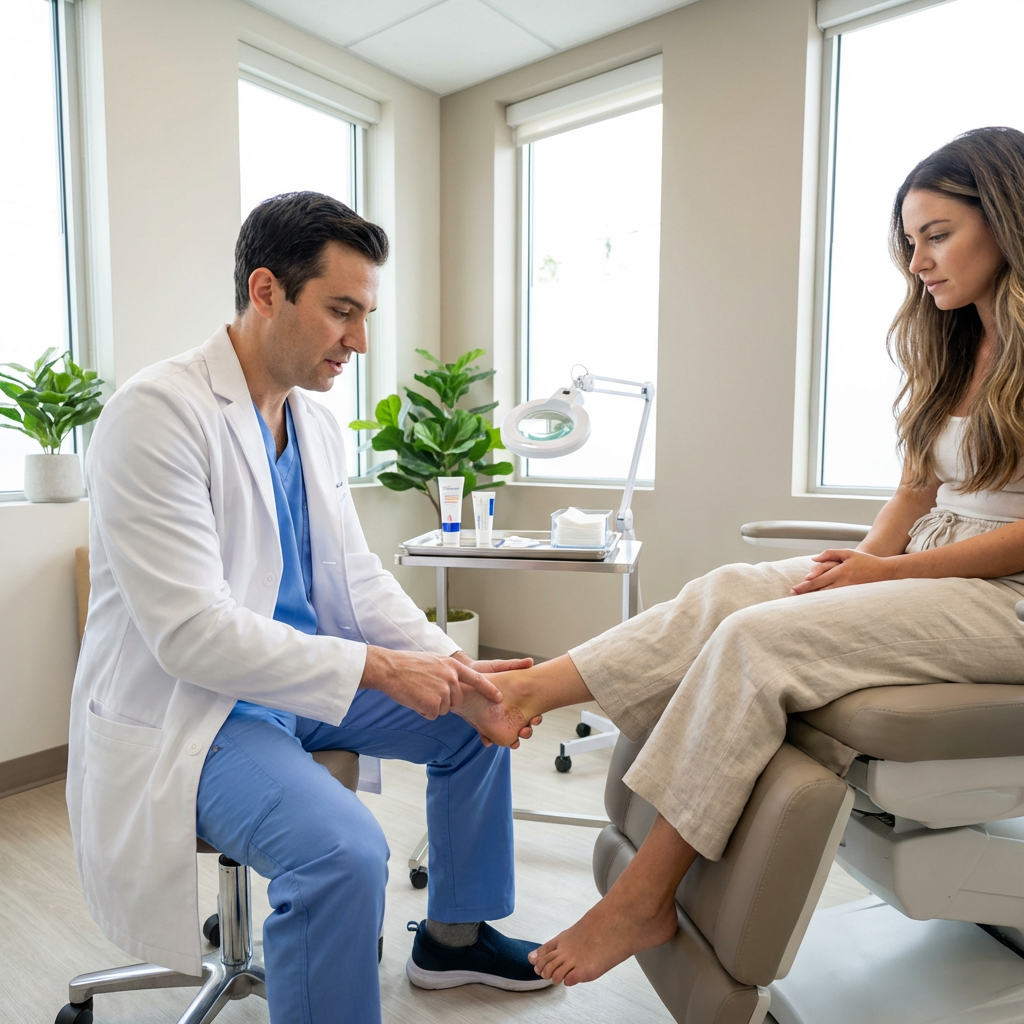
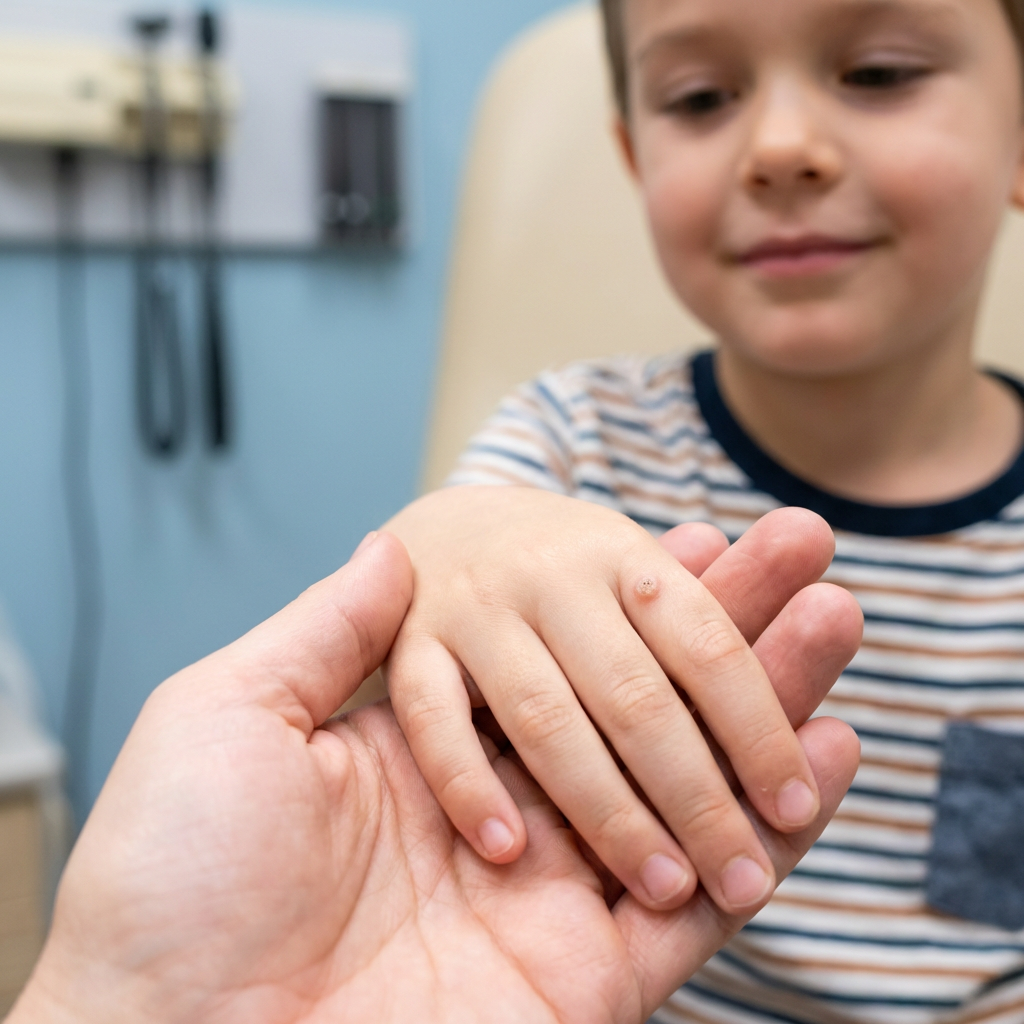
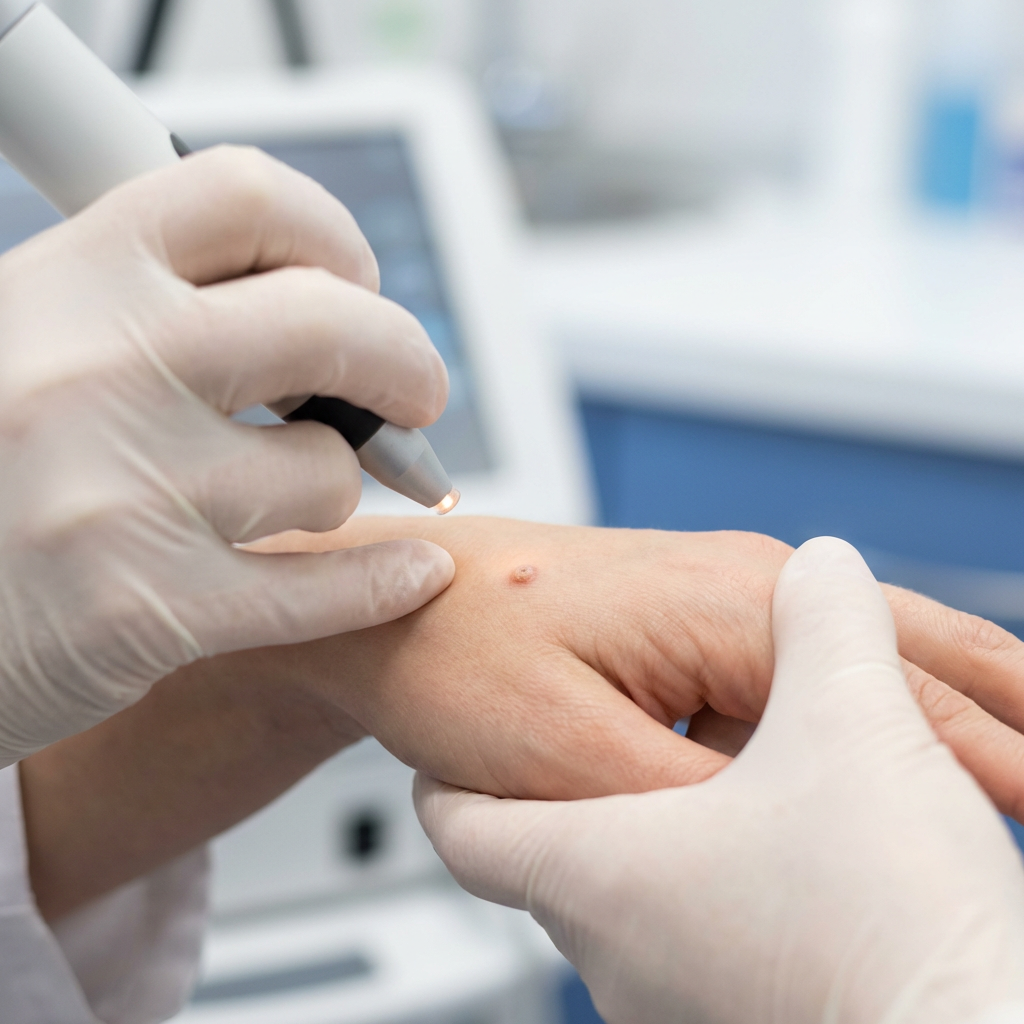
Common warts on hands and feet are frequent in school-age children. We use salicylic acid as first-line (painless) and light cryotherapy for non-responding cases — avoiding aggressive freezing that causes unnecessary distress and scarring in children.
Port wine stains, infantile haemangiomas, and other vascular birthmarks assessed and managed appropriately. Haemangiomas requiring treatment are referred for propranolol (first-line) or laser therapy. We counsel on the natural history to avoid unnecessary anxiety or intervention.
We examine the child in a calm, unhurried environment with parents present. Many childhood rashes look similar — seborrhoeic dermatitis vs eczema vs psoriasis — accurate diagnosis determines whether treatment works or fails.
All medications are prescribed at weight-appropriate doses — critical for children where adult doses can be toxic. We only prescribe medications with paediatric licensing for the relevant age group.
Parents are often either over-applying or under-applying topical steroids out of fear or misunderstanding. We teach the "fingertip unit" method, explain which potency is appropriate on which body site, and dispel steroid phobia with evidence.
Every family leaves with a written action plan: which product, how much, how often, on which areas — and what to do when there's a flare. The plan is updated at each review as the child grows and their skin changes.
For infectious conditions (tinea, molluscum, impetigo) we provide school letters confirming fitness to attend and infection control advice for teachers and caregivers to prevent class-wide outbreaks.
Children's skin responds differently to treatment. We apply paediatric-specific protocols — not just adult treatments at lower doses — to get it right the first time.
From neonatal skin conditions (erythema toxicum, milia, seborrhoeic dermatitis) to teenage acne — we see all paediatric age groups with age-specific management protocols.
Every family leaves with a clear written plan — which product, how much, on which area, for how long. No guesswork at home about what was said in the consultation.
Fungal infections (tinea capitis, tinea corporis) are confirmed by KOH microscopy before prescribing — avoiding unnecessary antibiotic courses for what is actually a fungal infection.
Parental steroid phobia leads to under-treatment and prolonged suffering. We explain what the evidence shows about topical steroid safety, address fears directly, and prevent the eczema-control failure cycle.
| Criterion | Supreme Elite Clinic | General Practitioner | Pharmacy / OTC | No Treatment |
|---|---|---|---|---|
| Age-appropriate diagnosis | ✓ Paediatric-specific protocols | Variable — general training | ✗ Self-diagnosis | ✗ No diagnosis |
| Weight-based dosing | ✓ Always calculated | Usually correct | ✗ Adult formulations used | ✗ None |
| Written parent action plan | ✓ Every visit | Rarely provided | ✗ None | ✗ None |
| Steroid phobia counselling | ✓ Evidence-based counselling | Sometimes | ✗ Often fearmongering on labels | ✗ None |
| KOH confirmation for fungal | ✓ On-site same visit | ✗ Usually empirical treatment | ✗ Not available | ✗ None |
| School / contact guidance | ✓ School letter provided | Occasionally | ✗ None | ✗ Outbreak risk |
Paraffin-based, fragrance-free emollients applied as leave-on moisturisers and soap substitutes — the cornerstone of paediatric eczema management. We prescribe by weight and body surface area, not generic "apply liberally" advice.
EczemaTacrolimus 0.03% ointment (licensed from age 2) as a steroid-sparing option for eczema on the face, eyelids, and flexures where long-term steroids cause atrophy. Critical for families who need a non-steroid alternative.
Steroid-SparingConfirms fungal diagnosis in minutes — critical for tinea capitis where oral antifungals for 3 months are needed, versus bacterial infection where antibiotics are required. Avoids months of wrong treatment.
Fungal DiagnosisStructured written plans using the "traffic light" system for eczema — green (clear skin maintenance), amber (early flare response), red (severe flare emergency plan). Replaces verbal advice that families forget under stress.
All ConditionsBring your child urgently if they have: widespread skin blistering or peeling, high fever with a rash, rapidly spreading redness or swelling, or a rash with difficulty breathing. These may indicate serious conditions requiring emergency assessment.
Bringing a child? We're ready. Call +91 96774 73344 or book online.