The retina is the camera film of the eye — once it is damaged, vision lost cannot be recovered. Anti-VEGF injections, retinal laser, and vitreoretinal surgery can halt progression and, in many cases, restore significant sight.
The retina is just 0.5mm thick but contains millions of photoreceptors. When it is threatened — by diabetes, age, or structural failure — early specialist intervention is everything.
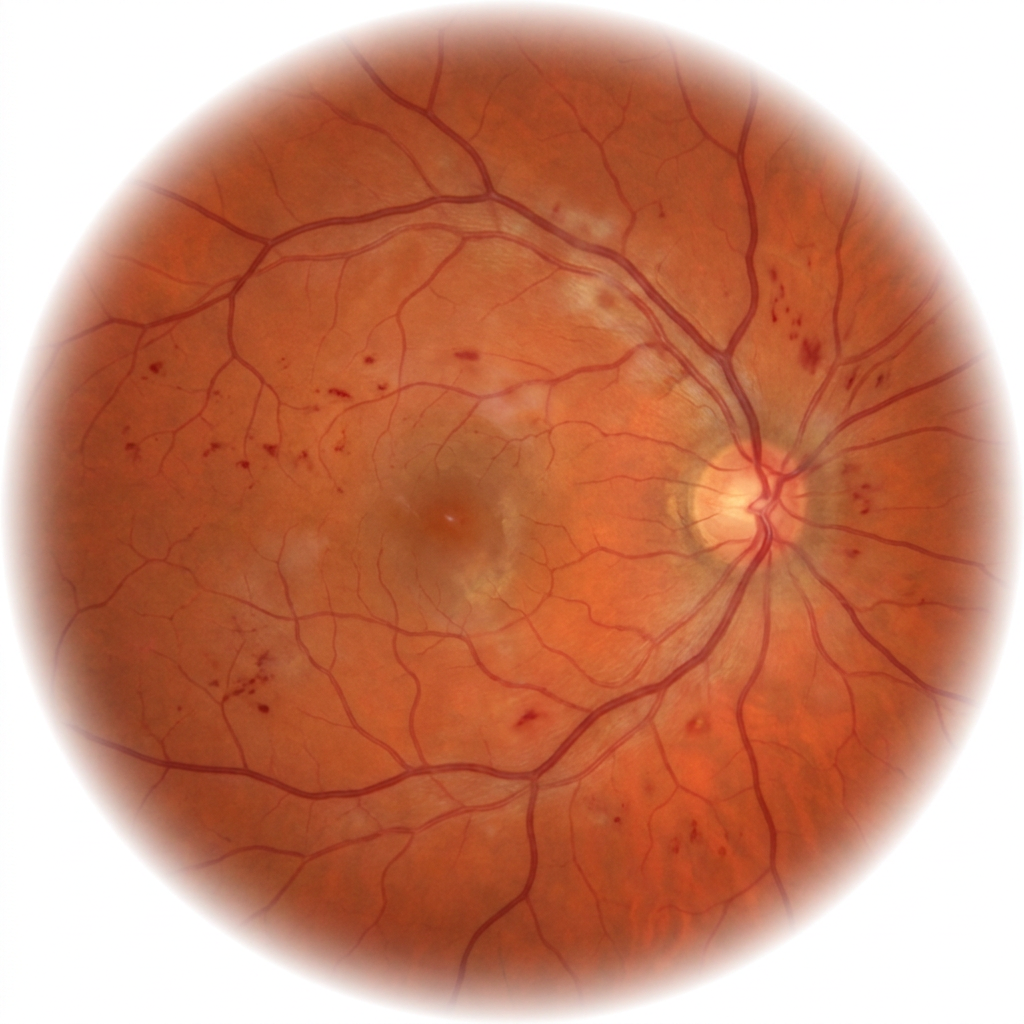
High blood sugar damages retinal blood vessels, causing leakage (CSME), abnormal new vessel growth (PDR), and eventual tractional detachment. 1 in 3 diabetics will develop DR — annual screening is non-negotiable.
Dry AMD involves drusen deposits and gradual RPE atrophy. Wet AMD (neovascular) is more aggressive — abnormal blood vessels under the retina bleed and scar, causing rapid central vision loss. Anti-VEGF injections preserve and restore sight in wet AMD.
The retina lifts away from the RPE, causing the classic "curtain coming across the vision" symptom. Preceded by sudden floaters and flashing lights. Requires same-day evaluation. Pneumatic retinopexy, scleral buckle, or vitrectomy depending on type.
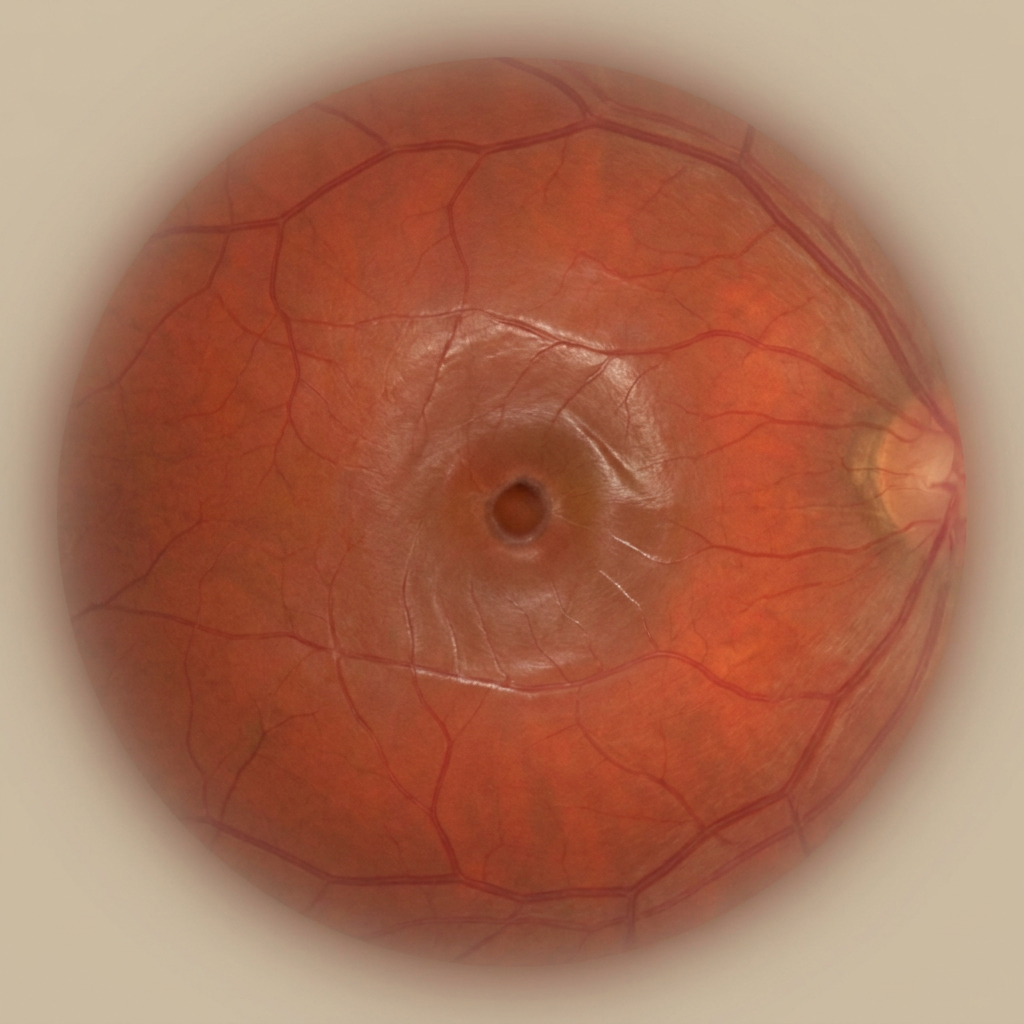
Full-thickness macular holes cause central scotomas and metamorphopsia (distorted straight lines). Epiretinal membranes (macular pucker) cause traction-related distortion. Vitrectomy with membrane peel achieves >90% closure rates for macular holes.
Branch (BRVO) or central (CRVO) vein occlusion causes haemorrhage and macular oedema. Anti-VEGF injections and intravitreal steroids reduce oedema and restore vision. Systemic workup for hypertension, diabetes, and coagulopathy is essential.
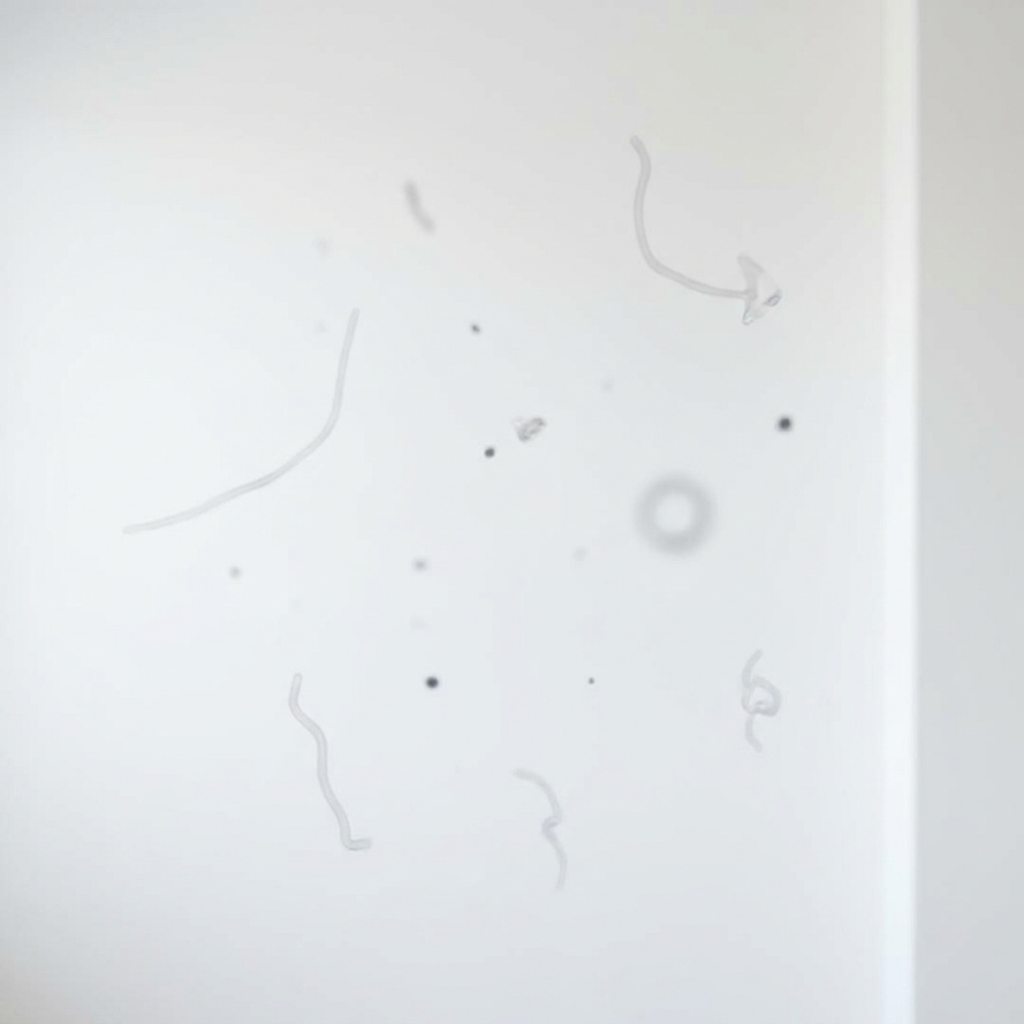
Sudden onset of new floaters with or without flashing lights requires urgent dilated fundus examination to exclude retinal tear or detachment. Benign PVD is common but indistinguishable from retinal tear without examination. Don't ignore new floaters.
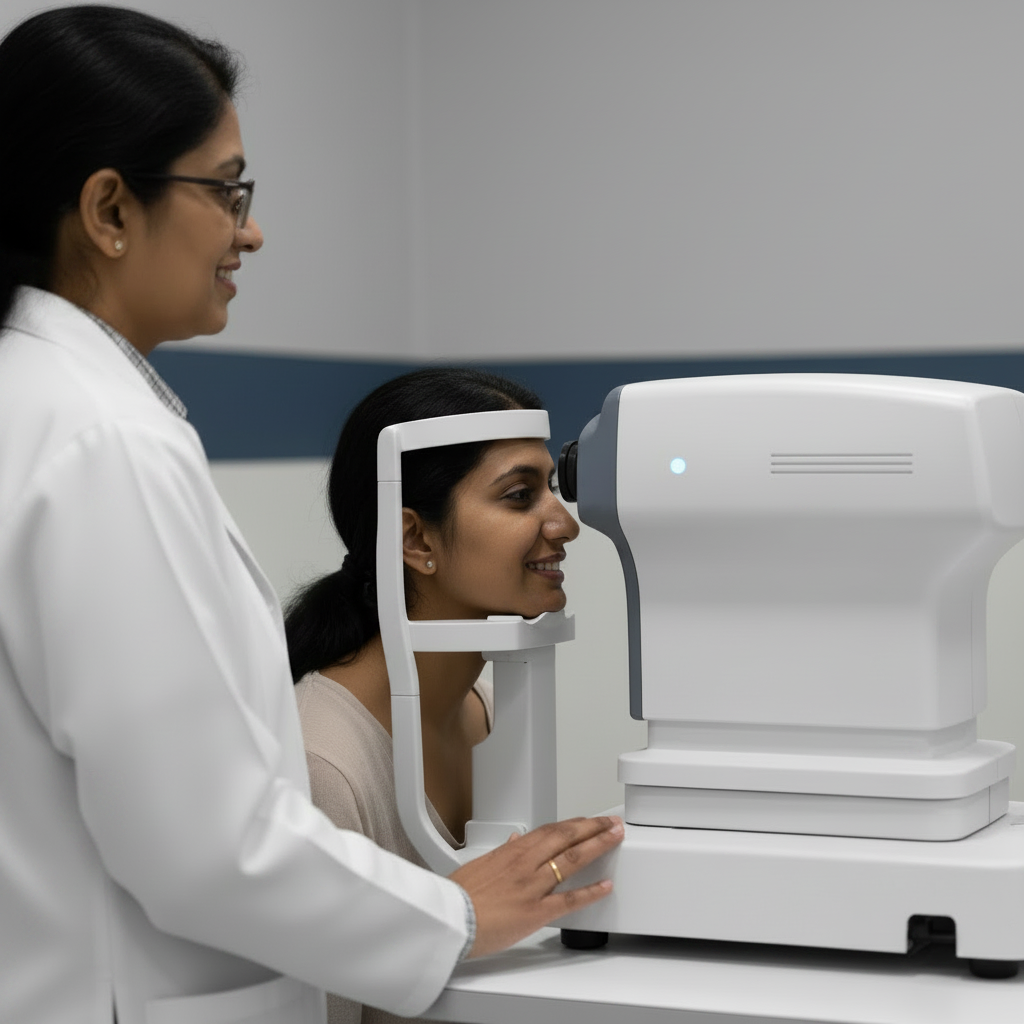
Retinal diagnosis has been transformed by OCT and OCT angiography — we can now see pathology at cellular resolution without injecting dye. Treatment begins the same visit when urgency demands it.
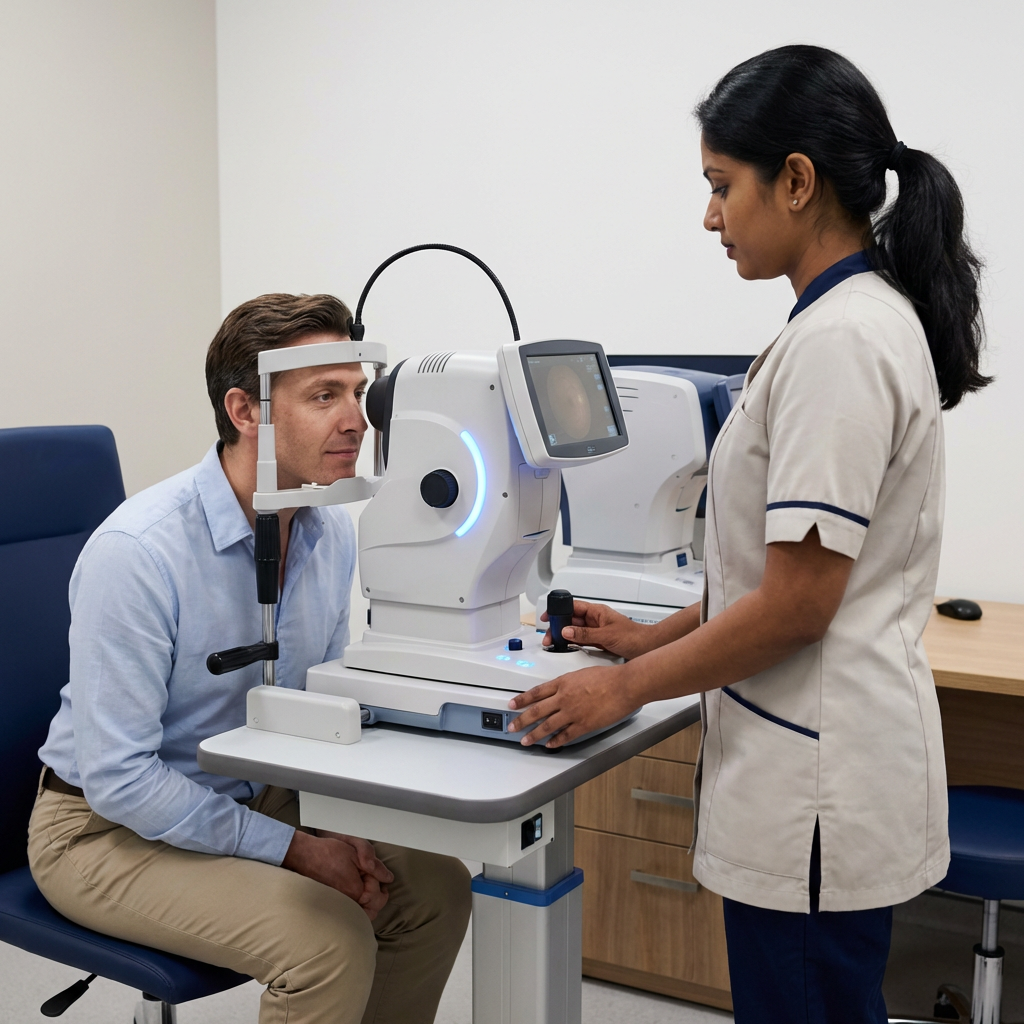
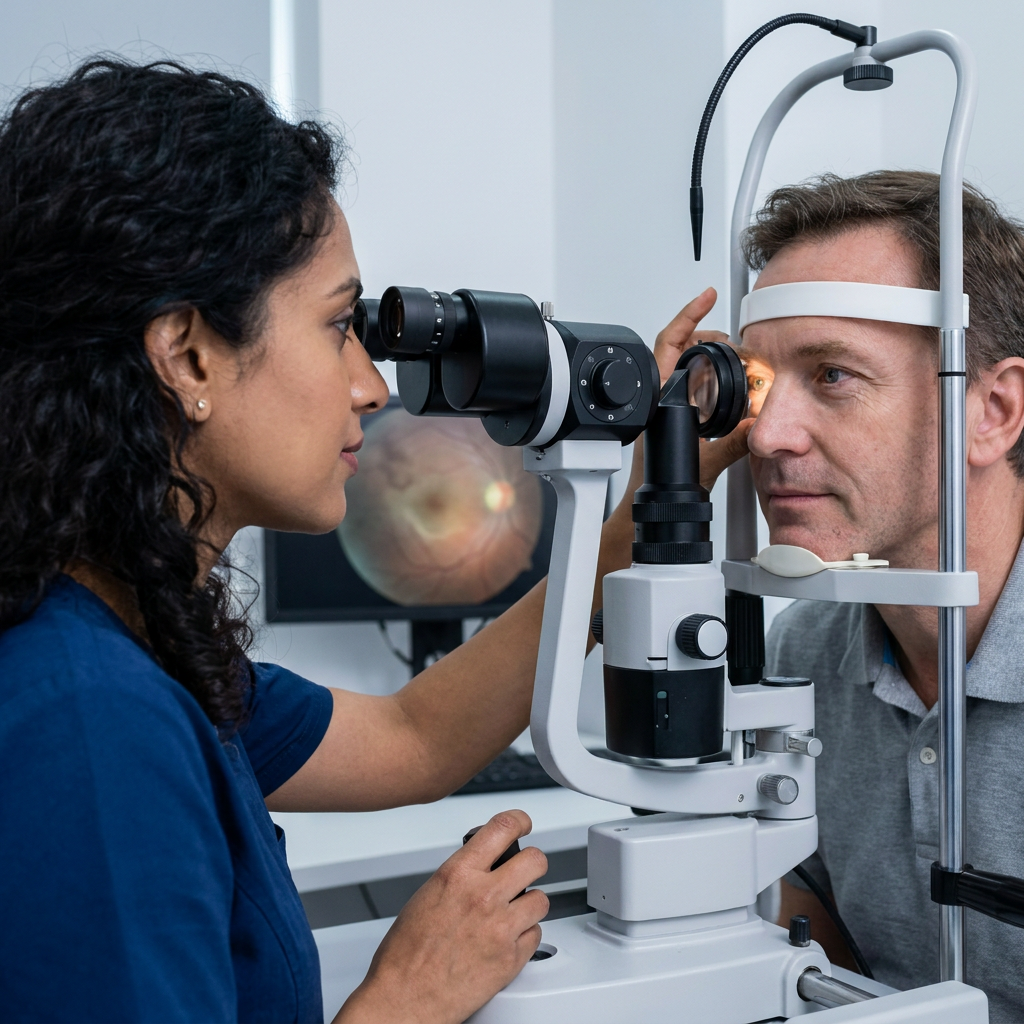
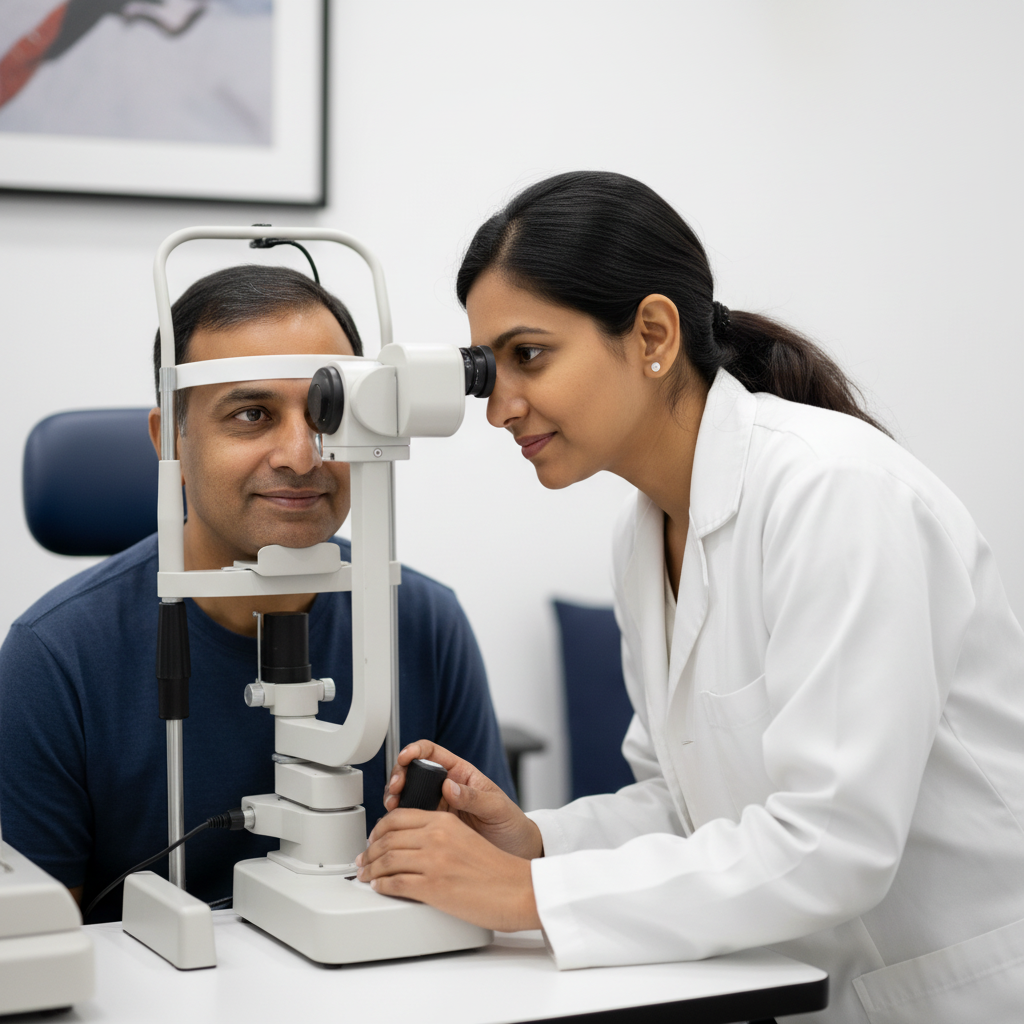
Mydriatic drops dilate the pupil to 7–8mm, allowing a wide-field view of the peripheral retina, disc, macula, and vasculature with indirect ophthalmoscopy and slit lamp fundus lens.
High-definition cross-sections of every retinal layer — fluid, drusen, membranes, and neovascularisation visualised at micron resolution. OCT-A maps retinal vasculature without fluorescein dye injection.
Focal and pan-retinal photocoagulation (PRP) destroys ischaemic peripheral retina in proliferative DR and creates retinopexy bonds around tears to prevent detachment.
Bevacizumab (Avastin) or ranibizumab (Lucentis) injected directly into the vitreous. Loading phase of 3 monthly injections, then treat-and-extend. Performed as an outpatient under topical anaesthesia — 5 minutes total.
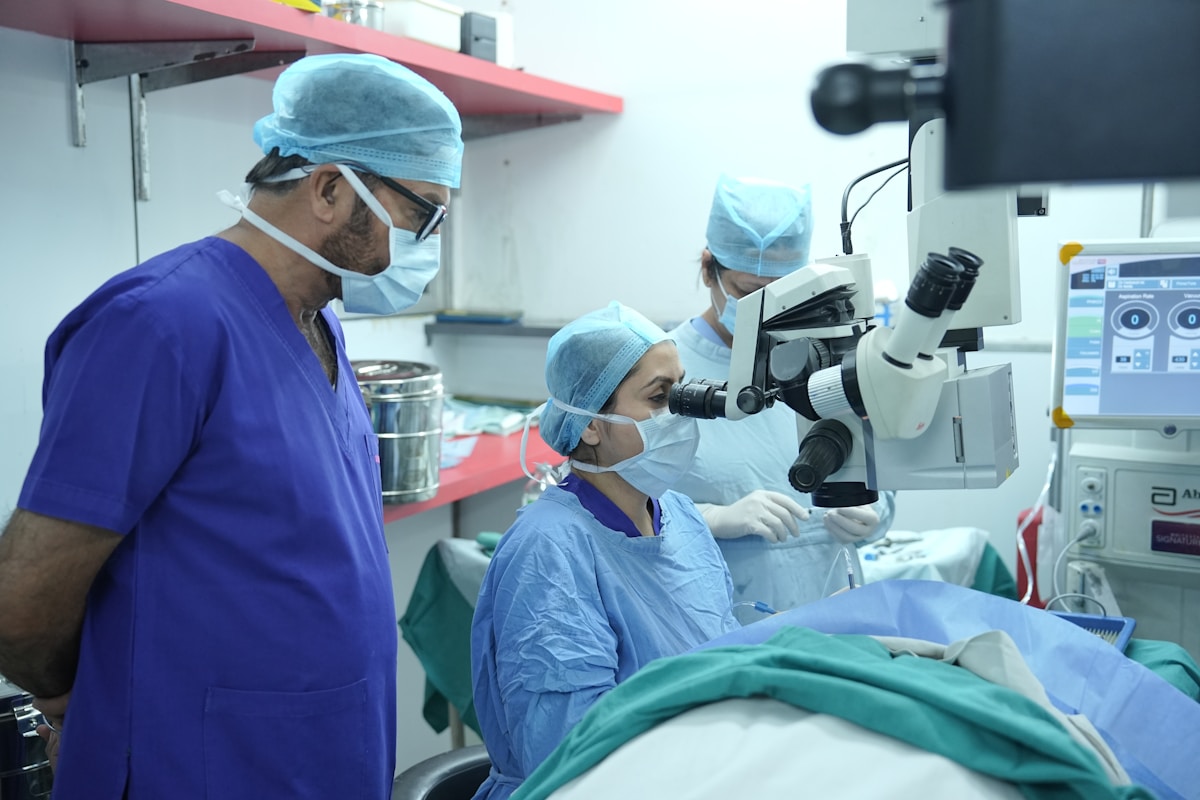
23G/25G pars plana vitrectomy for retinal detachment, macular hole, macular pucker, and vitreous haemorrhage. Day-care procedure under local anaesthesia with high-speed vitreous cutter and wide-angle viewing system.
For active retinal disease, waiting costs vision. We schedule urgent slots, perform anti-VEGF injections the same day as diagnosis where needed, and provide structured monthly monitoring plans for diabetics.
Traditional fluorescein angiography requires intravenous dye injection with risk of allergic reaction. Our OCT-A maps retinal capillaries non-invasively at equivalent resolution — faster, safer, and repeatable at every visit.
Wet AMD and CSME require timely anti-VEGF to prevent irreversible vision loss. We maintain dedicated urgent slots so injection intervals are never delayed by scheduling backlogs.
Diabetic patients receive a personalised monitoring plan — exam frequency based on DR grade, blood sugar control, and systemic risk factors. Integrated care with your endocrinologist for HbA1c optimisation.
Different retinal conditions require different approaches — often in combination. This overview helps you understand how treatments work and when each is used.
| Treatment | Laser Photocoagulation | Anti-VEGF Injections | Intravitreal Steroids | Vitreoretinal Surgery |
|---|---|---|---|---|
| Primary Use | DR, retinal tears, RVO | Wet AMD, DME, RVO, PDR | CSME, RVO unresponsive to anti-VEGF | Detachment, macular hole, pucker |
| Mechanism | Burns ischaemic retina, seals tears | Blocks new vessel growth, reduces leakage | Reduces macular oedema | Removes vitreous, repairs retina |
| Procedure Time | 15–30 min | 5 min | 5 min | 60–120 min |
| Anaesthesia | Topical drops | Topical drops | Topical drops | Peribulbar / general |
| Vision Restoration | Stabilises, rarely improves | Yes — often significant gain | Modest improvement | Yes — especially for holes |
| Repeat Treatment | May need 1–3 sessions | Loading 3 monthly, then PRN | Every 3–6 months | Usually single procedure |
| Starting Cost | From ₹8,000/session | From ₹12,000/injection | From ₹18,000/injection | From ₹60,000 |
Sudden new floaters or flashing lights • A shadow or curtain across your vision • Sudden blurring or distortion of central vision • Loss of a patch of vision. These are retinal emergencies. Call us the same day: +91 96774 73344
Don't delay retinal symptoms. Early treatment preserves more vision.