Diabetic Retinopathy Prevention

Diabetic Eye
Screening

90% of diabetic blindness is preventable with annual screening and timely treatment. Diabetic retinopathy causes no symptoms until it is advanced — by the time your vision blurs, significant and often irreversible damage has already occurred.

1 in 3Diabetics develop retinopathy
AnnualScreening — every diabetic
90%Blindness is preventable
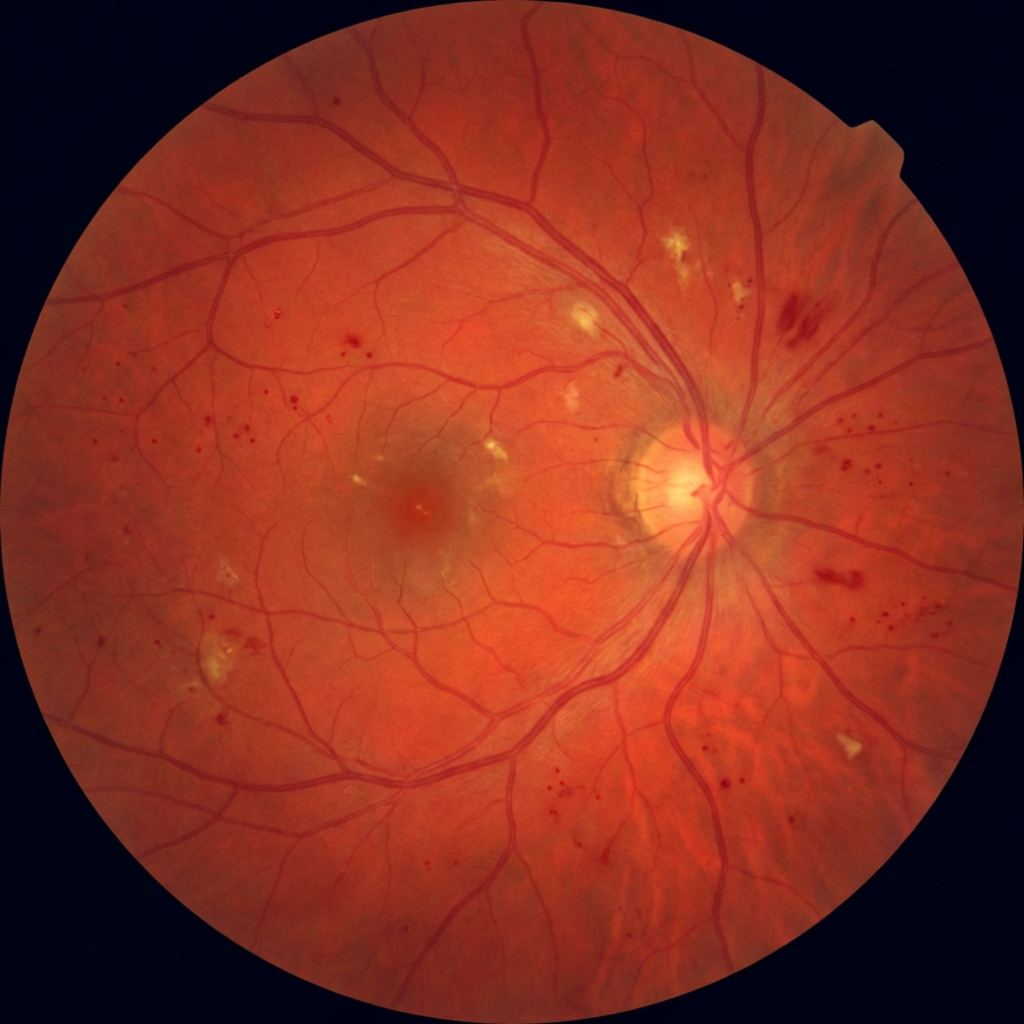
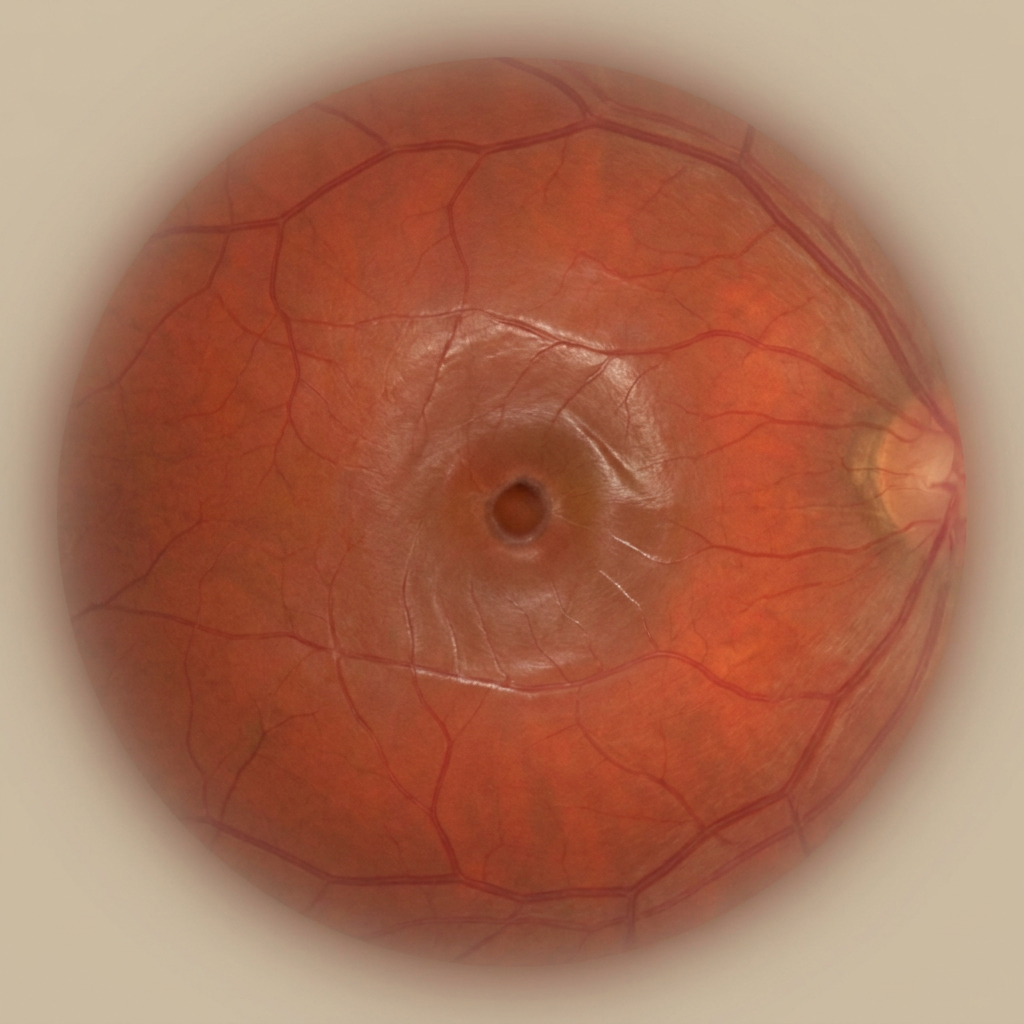
Diabetic retinopathy fundus examination
₹800Annual diabetic eye screen
DR Grading System

Understanding Diabetic Retinopathy Grades

The International Clinical DR Severity Scale grades retinopathy from no DR to proliferative. Your grade determines screening frequency and whether treatment is needed now.

No diabetic retinopathy
Grade 0

No DR

No abnormalities visible on dilated fundus examination. Still requires annual screening — duration of diabetes, HbA1c control, hypertension, and microalbuminuria determine when DR will first appear. Most diabetics develop some degree of DR after 20 years of disease, even with good control.

Annual screenContinue monitoring
Mild non proliferative diabetic retinopathy
Grade 1 — Mild

Mild NPDR

Microaneurysms only — small outpouchings of retinal capillary walls. These are the earliest ophthalmoscopic sign of diabetic retinopathy. Vision is unaffected. No treatment needed — but systematic blood sugar, blood pressure, and lipid control are critical to slowing progression.

Annual screenSystemic optimisation
Moderate NPDR diabetic retinopathy
Grade 2 — Moderate

Moderate NPDR

More than microaneurysms — dot and blot haemorrhages, hard exudates, soft exudates (cotton wool spots). OCT macula is added to the protocol to detect early CSME (clinically significant macular oedema). If CSME is present, anti-VEGF treatment begins regardless of visual acuity.

6-monthly screen + OCTAnti-VEGF if CSME
Severe NPDR diabetic retinopathy
Grade 3 — Severe

Severe NPDR

The "4-2-1 rule": haemorrhages in all 4 quadrants, venous beading in ≥2 quadrants, or intraretinal microvascular abnormalities (IRMA) in ≥1 quadrant. 52% progress to PDR within 1 year without treatment. 3-monthly review and consider focal laser or anti-VEGF.

3-monthly reviewHigh progression risk
Proliferative diabetic retinopathy
Grade 4 — Proliferative

Proliferative DR (PDR)

New blood vessel growth (neovascularisation) on the disc or elsewhere — fragile vessels that bleed into the vitreous and cause tractional retinal detachment. Requires prompt pan-retinal photocoagulation (PRP laser) and/or anti-VEGF. Vitrectomy if vitreous haemorrhage or traction detachment occurs.

Urgent treatmentPRP / Anti-VEGF
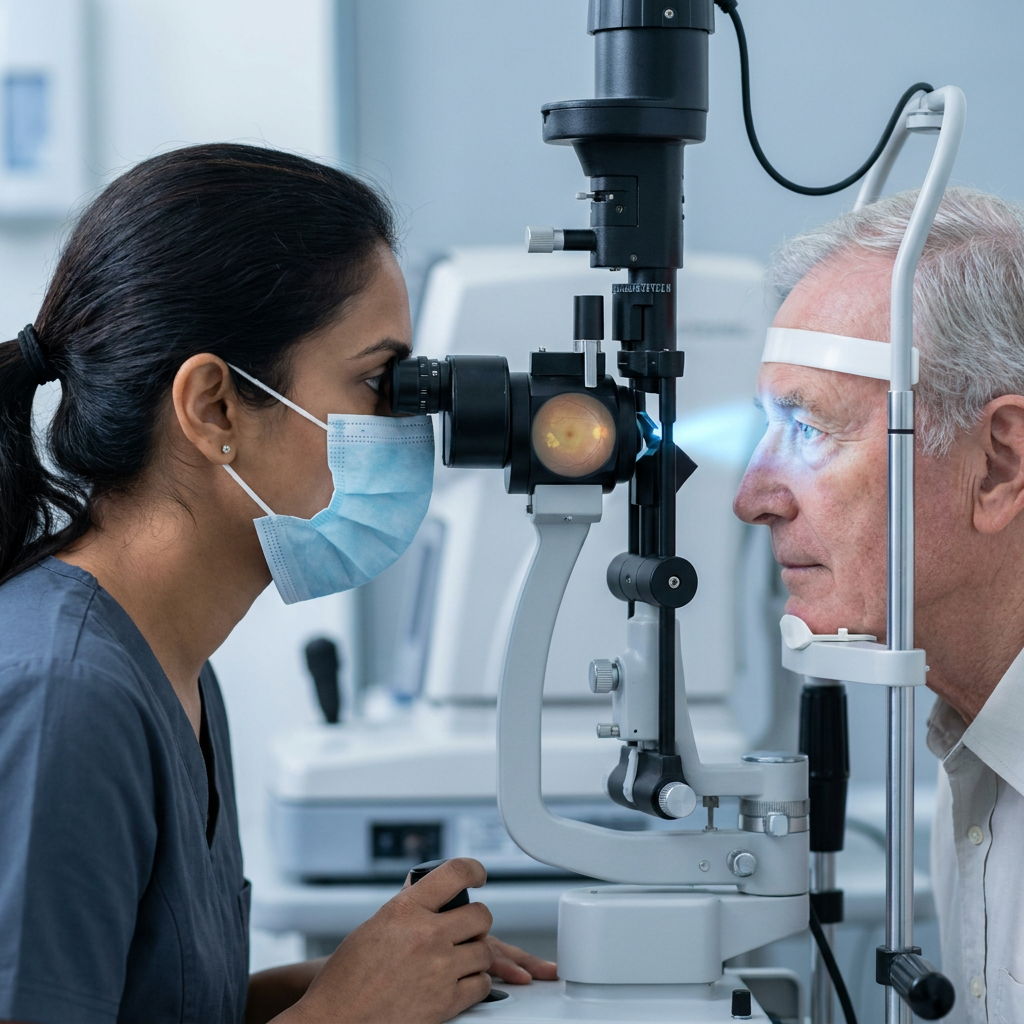
Diabetic macular oedema CSME
Macular Involvement

Diabetic Macular Oedema (DME / CSME)

Fluid accumulation in the macula — the centre of detailed vision — can occur at any stage of DR. It is the most common cause of vision loss in diabetics. OCT detects subclinical oedema before visual symptoms appear. Anti-VEGF injections (Avastin/Lucentis) achieve vision gains in the majority of treated eyes.

OCT at every visitAnti-VEGF
Screening Protocol

What Happens at
Your Annual Screen

Our diabetic screening follows the ICDR Severity Scale grading protocol — the same standard used in the UK NHS and AIIMS diabetic retinopathy programs. You receive a written graded report to share with your endocrinologist.

1

Systemic Review

HbA1c, duration of diabetes, blood pressure, lipid profile, and renal function (microalbuminuria) — all are independent risk factors for DR progression. We document these at every visit to assess risk trajectory, not just retinal findings in isolation.

2

Visual Acuity & IOP

LogMAR visual acuity in each eye. Intraocular pressure (diabetes is an independent glaucoma risk factor) — so every diabetic retinal screen includes glaucoma screening.

3

Mydriatic Retinal Photography

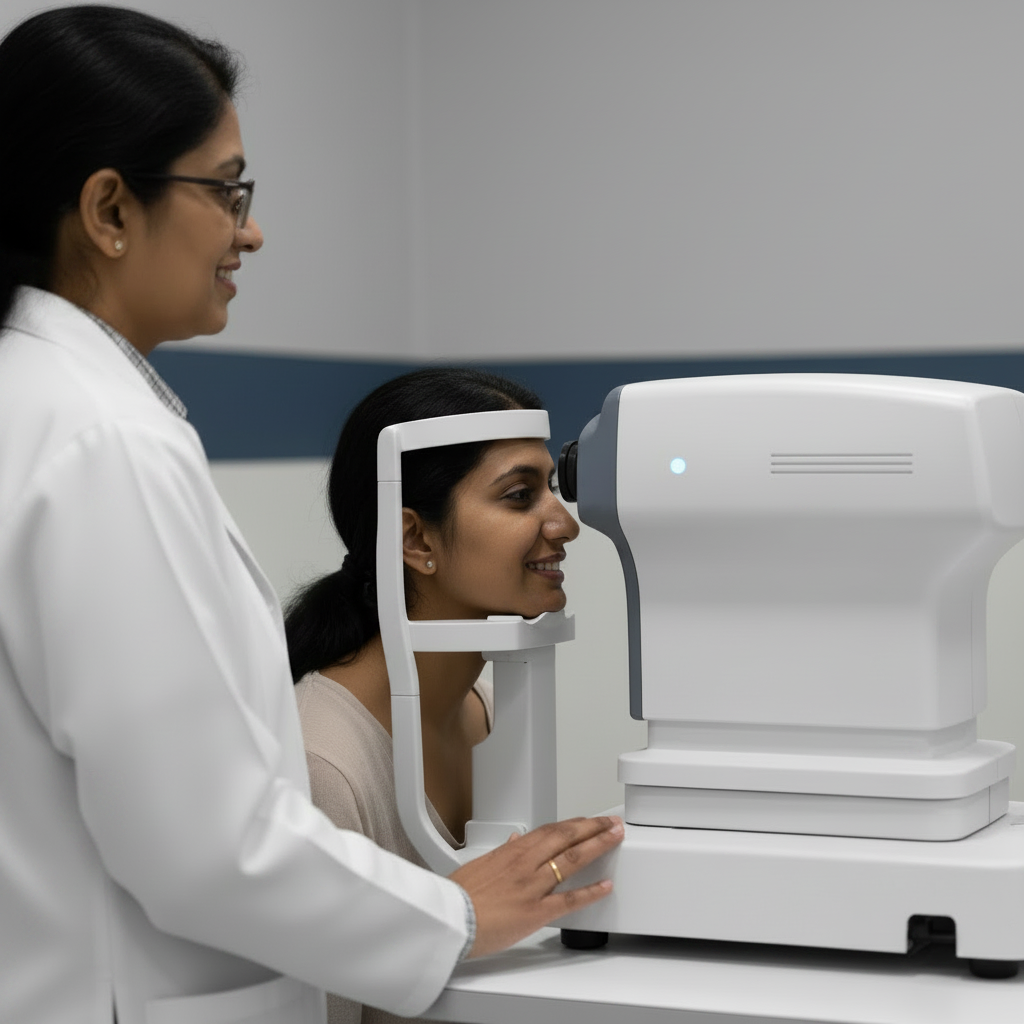
Dilating drops (tropicamide 1%) followed by 45° or wide-field fundus photography — captures haemorrhages, exudates, new vessels, and disc appearance. Images are stored for year-on-year comparison, providing objective evidence of stability or progression.

4

OCT Macula (Moderate DR and Above)

Cross-sectional imaging detects subretinal and intraretinal fluid before visual symptoms appear. Central subfield thickness is measured — a value above 320 microns in the presence of DR triggers immediate anti-VEGF referral regardless of visual acuity.

5

Written Graded Report & Recall Schedule

A graded report with DR stage, macular status, IOP, and recommended recall interval is provided at the end of every visit. A copy is sent to your treating physician. Recall intervals: Grade 0–1 = 12 months, Grade 2 = 6 months, Grade 3–4 = 3 months or urgent treatment.

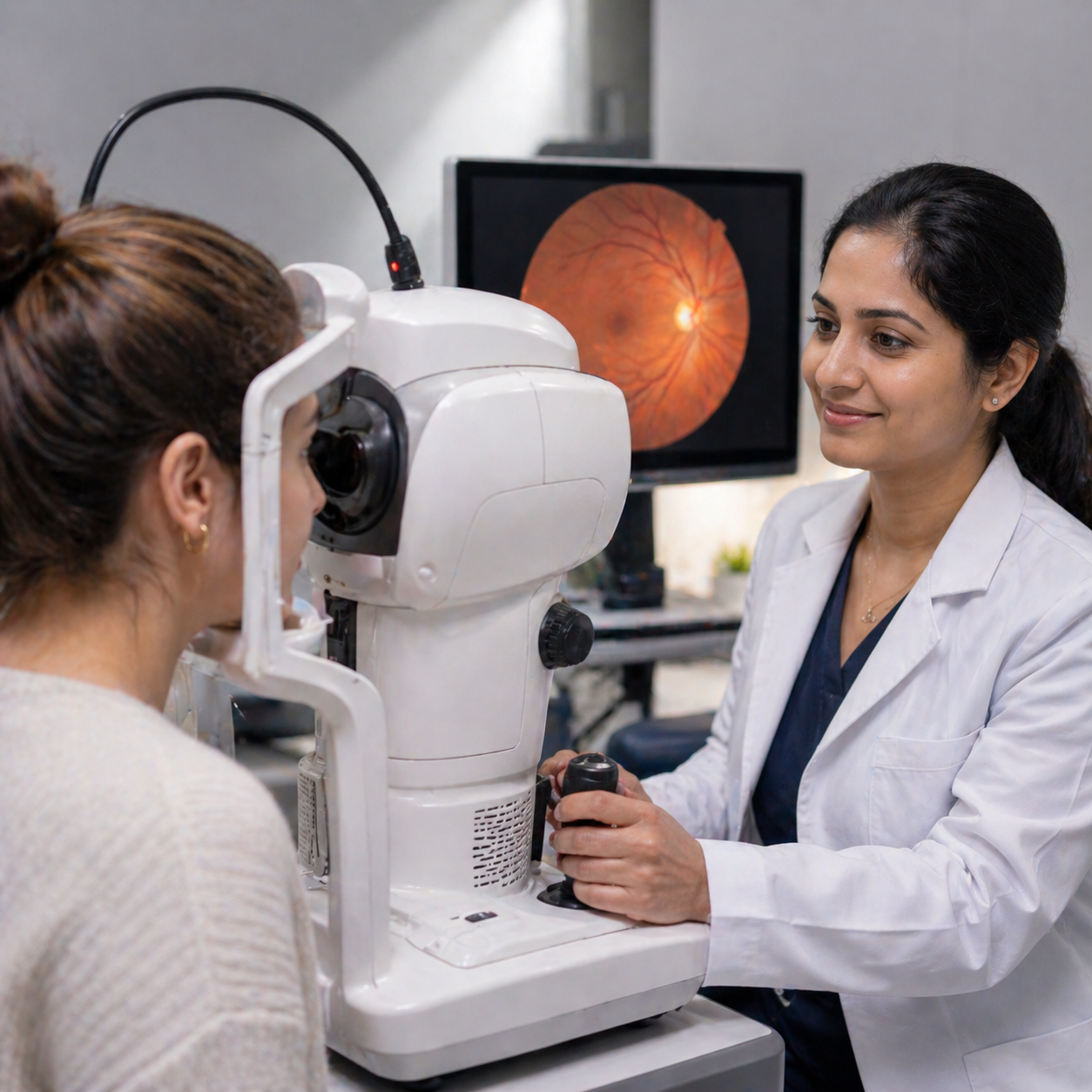
Diabetic retinal photography screening
Why Supreme Elite Clinic

Grade. Document.
Act When Needed.

We don't just examine your eyes — we grade to the international standard, store images, and compare year-on-year. If your retinopathy is progressing, you will know precisely how fast and what to do about it.

ICDR Severity Scale Grading

International Clinical Diabetic Retinopathy Severity Scale grading at every visit — the same standard used in structured national screening programs. You receive a written grade, not just "come back in a year".

Integrated Retinal Photography & OCT

Fundus photographs are stored and compared year-on-year. OCT macula detects CSME before you lose vision — so treatment can begin at the optimal time, not after irreversible damage.

Endocrinologist-Coordinated Care

DR grade correlates directly with systemic disease control. Our reports include recommendations for HbA1c targets, blood pressure management, and lipid control — shared with your endocrinologist so eye findings inform systemic management, not just the other way around.

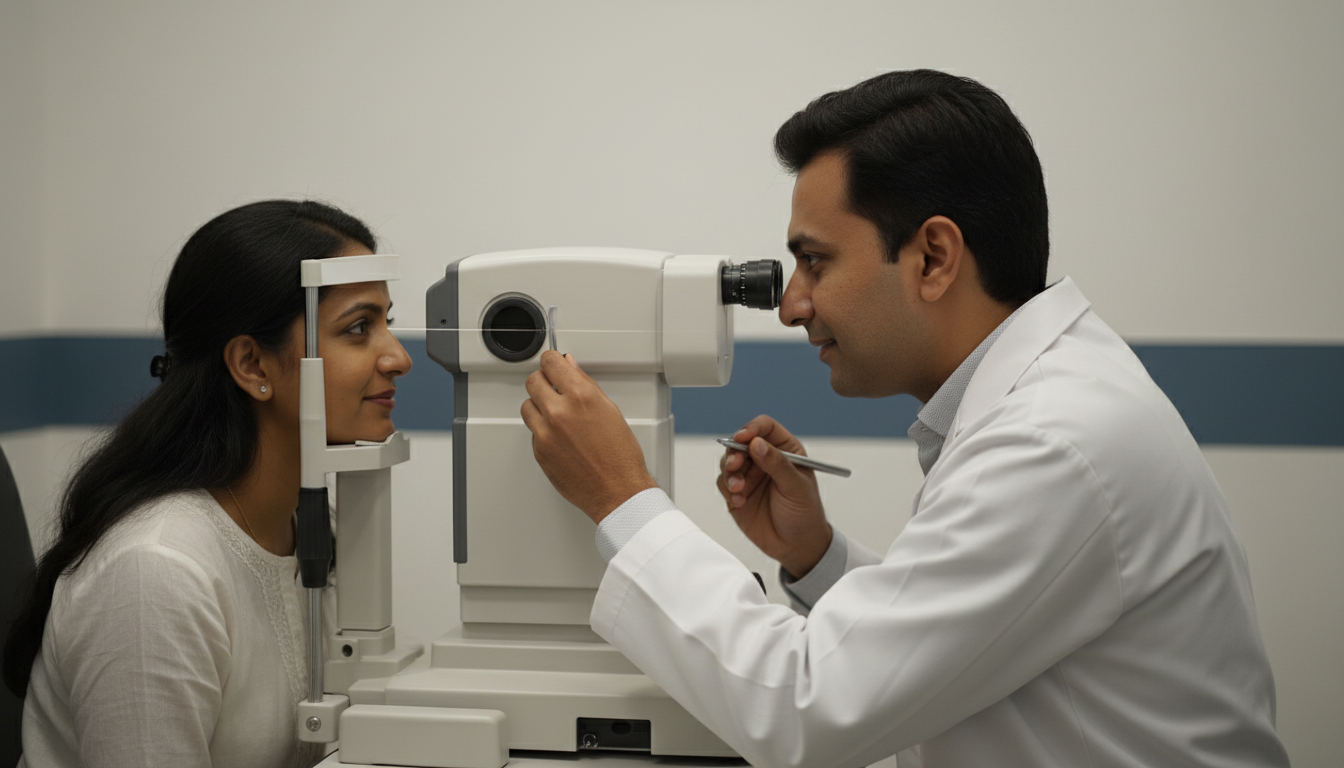
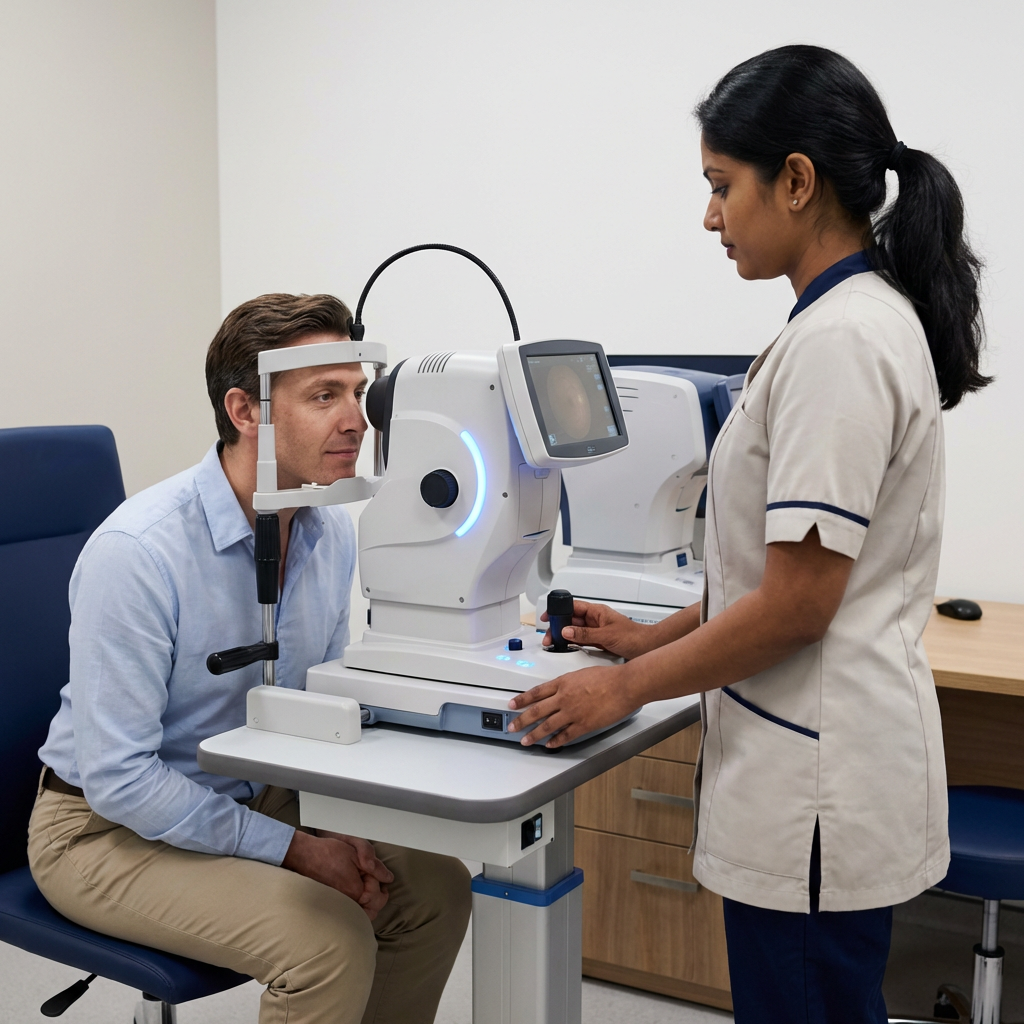
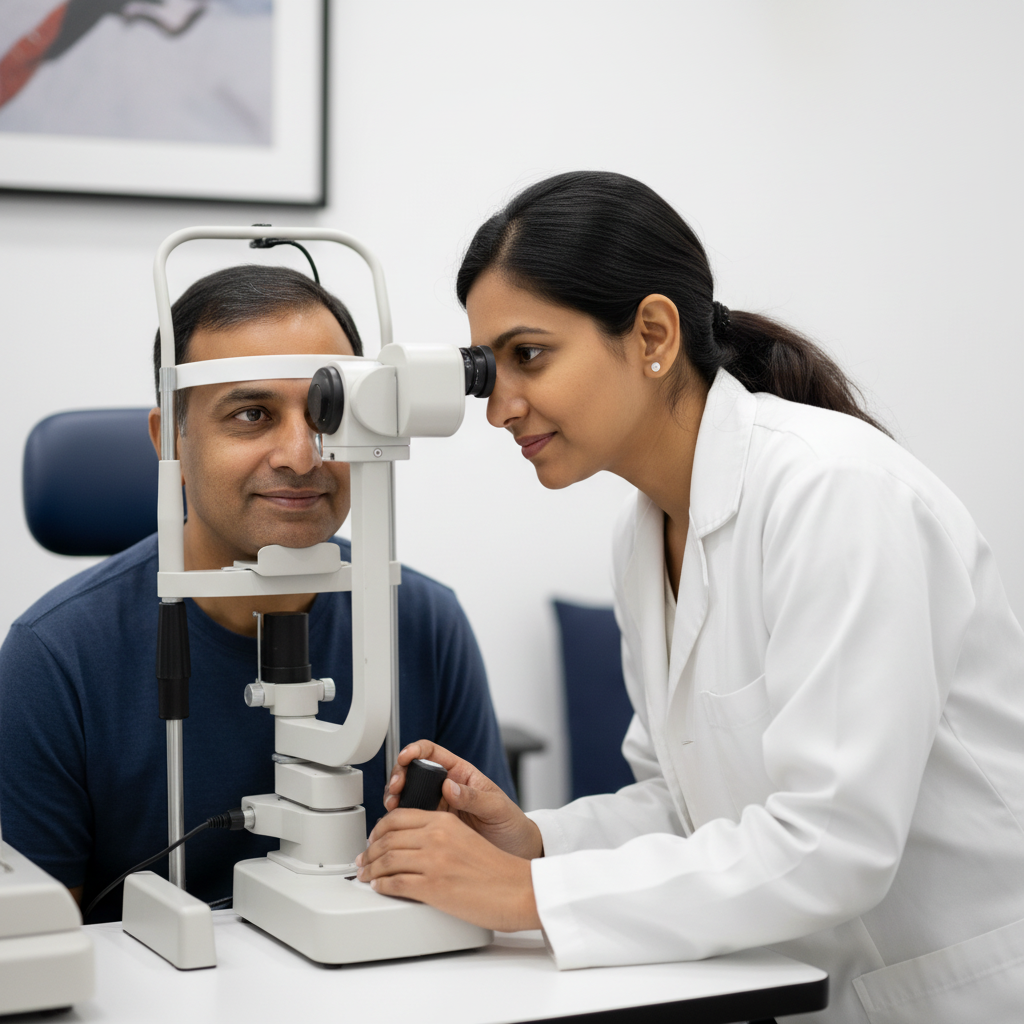
Diabetic screening consultation
90%of diabetic blindness is preventable
5yr+earlier DME detection with OCT
Screening Comparison

Why Structured Screening Matters

Not all retinal checks are equal. The difference between a structured annual screen and an opportunistic look is the difference between early detection and presentation with vitreous haemorrhage.

Screening TypeSupreme Elite Structured ScreenHospital OPD CheckGeneral OpticianNo Screening
ICDR GradingYes — every visitVariableRarelyNone
Retinal PhotographyYes — stored & comparedSometimesNot typicallyNone
OCT MaculaYes (Grade 2+)If requestedRarely availableNone
Written Report to GP/EndocrinologistYes — every screenVariableNoNone
Structured Recall SystemYes — grade-based intervalVariableNoNone
Cost per Screen₹800Free (wait times)₹500–₹800 (no OCT)₹0 (but sight-threatening)
Common Questions

Diabetic Screening FAQ

For Type 2 diabetes, screening should begin at diagnosis — because many patients have undetected diabetes for several years before formal diagnosis, and retinopathy may already be present. For Type 1 diabetes, screening begins 5 years after diagnosis (retinopathy is unlikely before puberty in Type 1). After the first screen, recall frequency is determined by your DR grade.
Yes, absolutely. This is the central public health message about diabetic retinopathy. Retinopathy damages the peripheral retina and can progress to proliferative stage with significant structural damage without any change in your reading vision until vitreous haemorrhage or macular involvement occurs. By then, treatment is more complex and outcomes less predictable. Normal vision does not mean a normal retina in a diabetic.
Yes — tropicamide dilating drops blur near vision and make you light-sensitive for 4–6 hours. You should not drive after the examination. Please arrange transport. We can use non-mydriatic fundus photography without dilating drops for the standard screen — however, dilation is required if the macula needs to be examined by slit lamp or if OCT findings need clinical correlation.
Recall interval is based on your current DR grade, not only HbA1c. If your fundus photographs show no DR and HbA1c is consistently well-controlled, annual screening is appropriate. If you have mild NPDR, 12-monthly recall is still used. It is only at moderate and above that 6-monthly or quarterly review is required. Current HbA1c does not erase past exposure — cumulative glycaemic load drives retinopathy risk.
Yes — paradoxically, rapid improvement in blood sugar control (from any cause, including starting insulin, GLP-1 agonists, or significant dietary change) can temporarily worsen retinopathy. This "early worsening" phenomenon typically resolves over 6–12 months as the long-term benefits of better control accrue. If you are starting insulin or making major changes to glycaemic management, book a retinal screen within 3 months of the change.

Diabetic Screening Fee Guide

Annual diabetic eye screen (fundus photo + VA + IOP)₹800
+ OCT macula (Grade 2+ DR)₹1,500
+ OCT angiography (CSME assessment)₹2,500
Anti-VEGF injection (if CSME confirmed)From ₹12,000
Retinal laser (PRP / focal)From ₹8,000
Graded written reportIncluded
Book Your Appointment

Diabetic Eye Screening

Annual screening takes 45 minutes. Arrange a driver — dilating drops will blur your vision for several hours.

ICDR Severity Scale GradingFundus PhotographyOCT Macula ScreeningGraded Written ReportsEndocrinologist Coordination