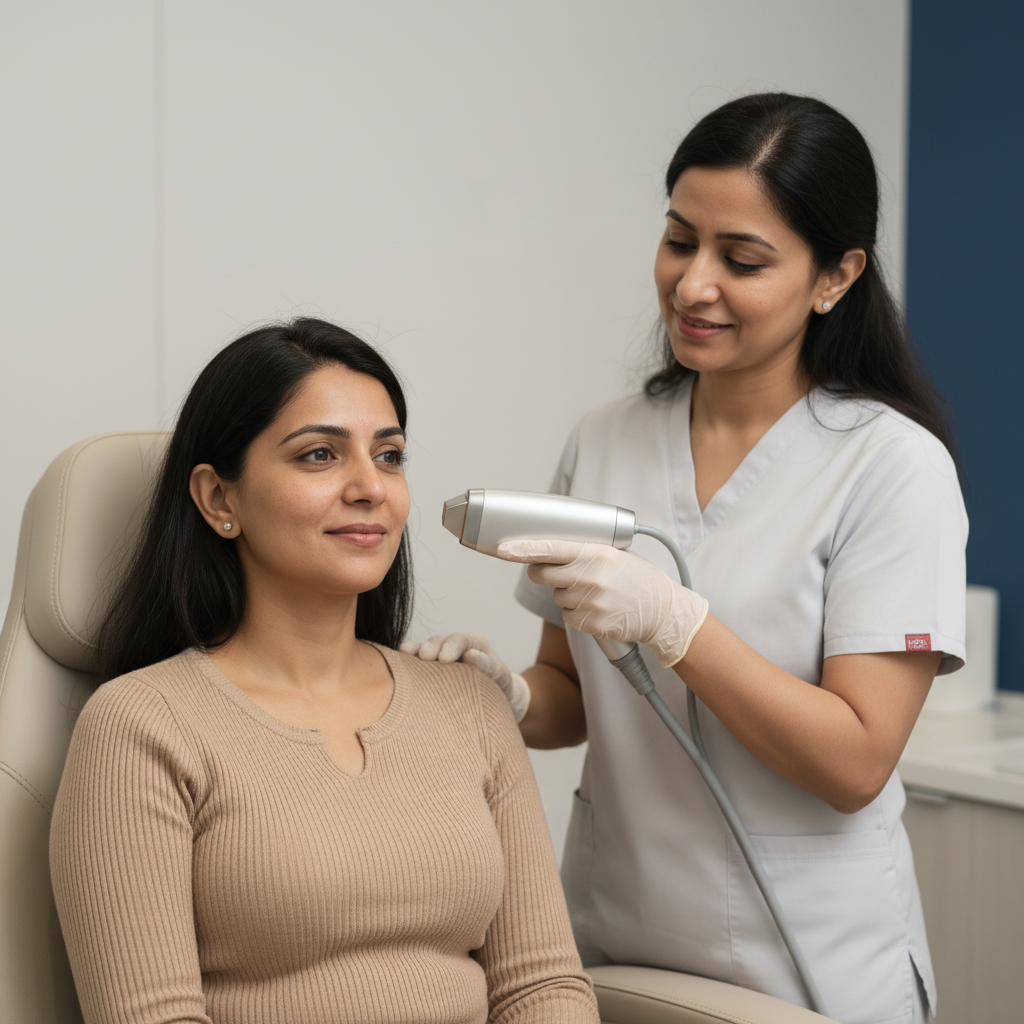
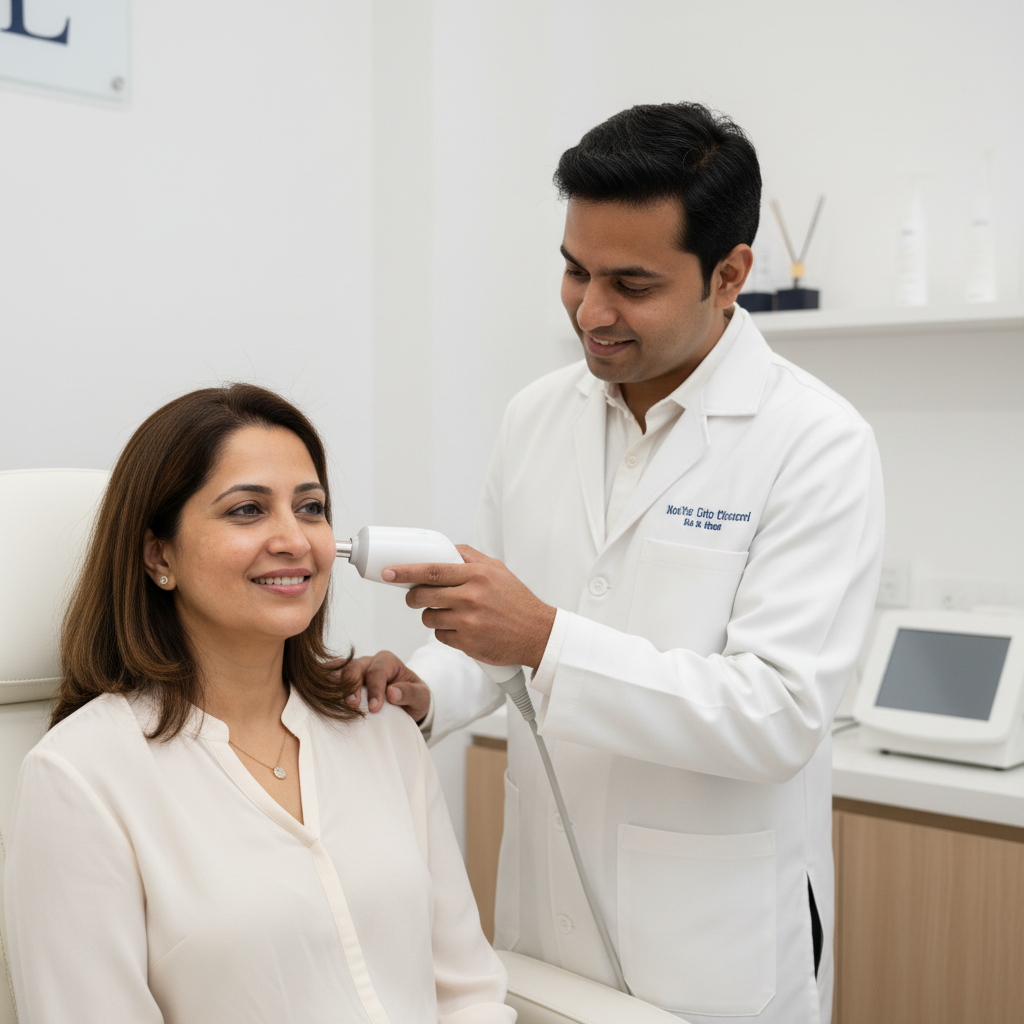
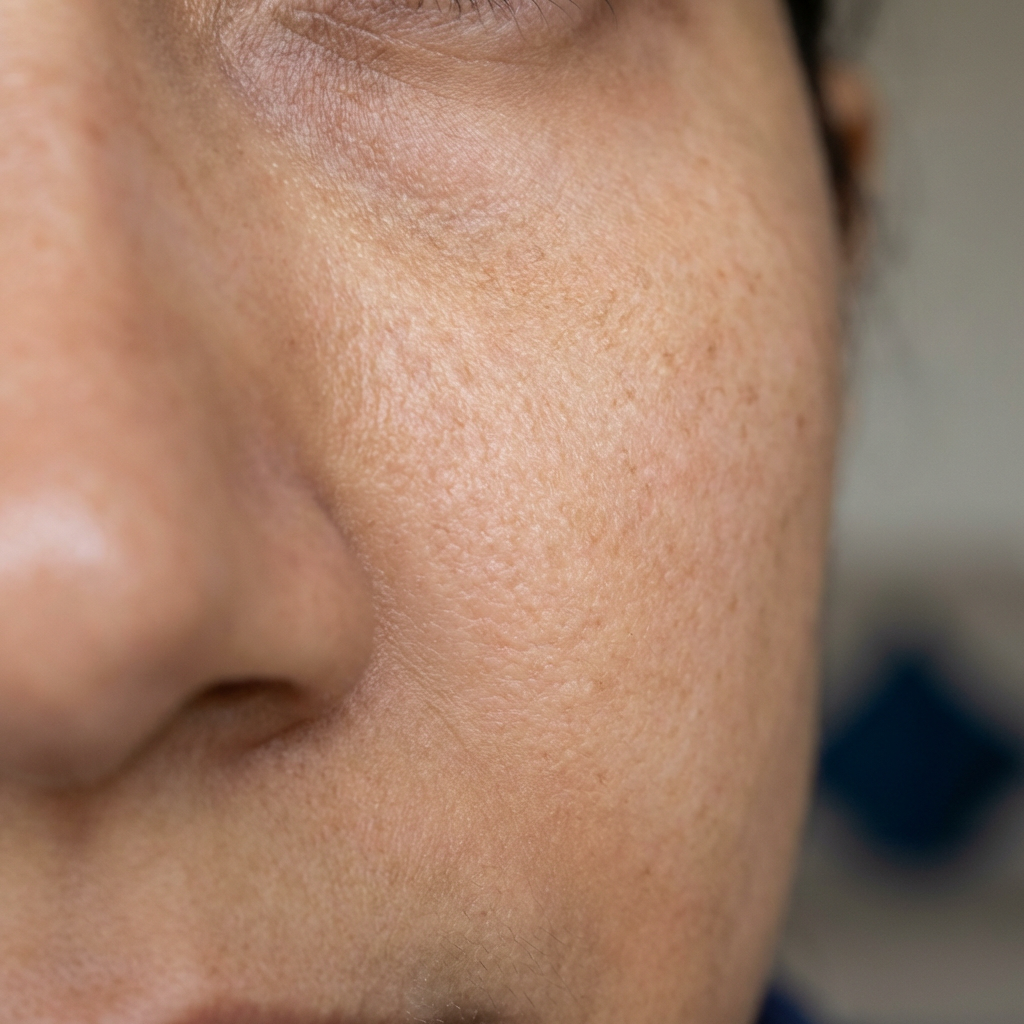
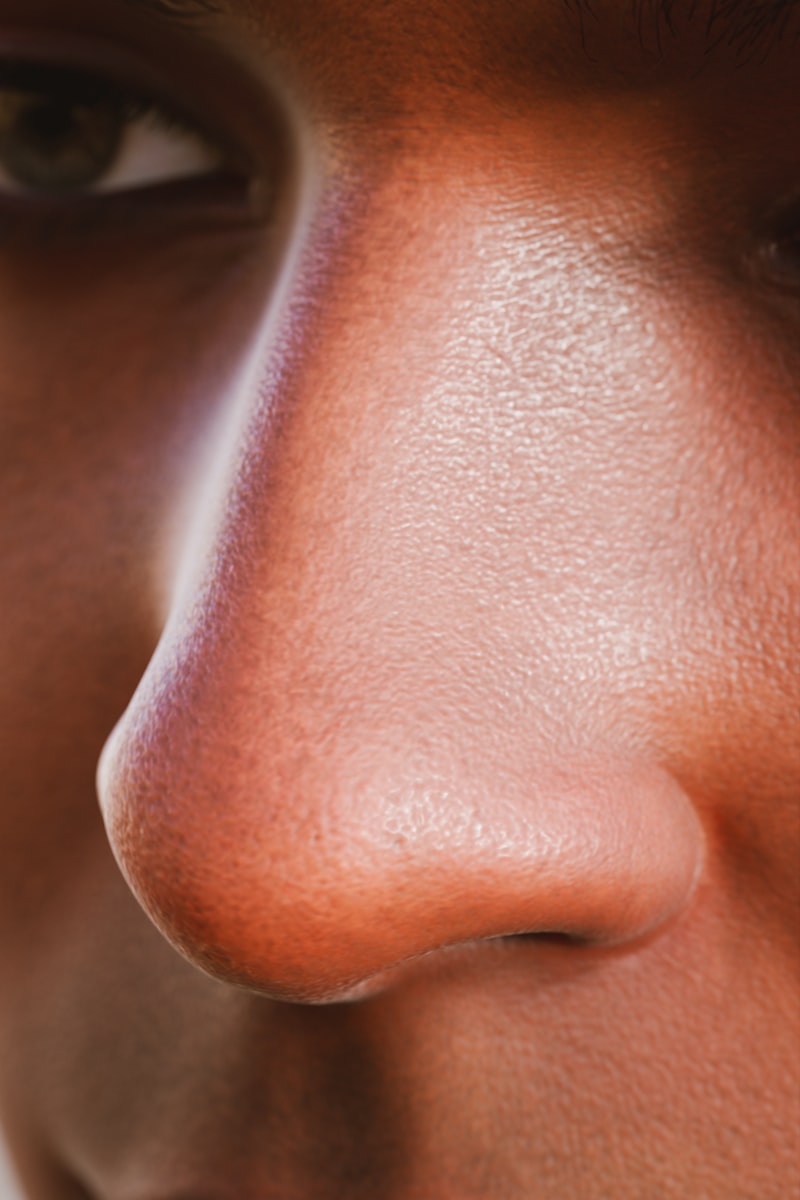
Treat melasma, sun damage, post-inflammatory hyperpigmentation, and uneven skin tone with Q-switched laser, glutathione drips, and targeted depigmenting protocols — clinically proven results across all skin tones, including South Asian skin.
Pigmentation is rarely one-size-fits-all — melasma, sun damage, and PIH require different protocols. Our dermatologists match the right treatment to your specific pigmentation type and skin tone.
A complex pigmentation disorder driven by hormones and sun exposure. We treat melasma with low-fluence Q-switch Nd:YAG, oral tranexamic acid, and strict sun protection — the gold standard combination.
Sun spots, age spots, and photoageing pigmentation respond rapidly to Q-switched Nd:YAG laser — ultra-short pulses selectively shatter melanin deposits without damaging surrounding skin.
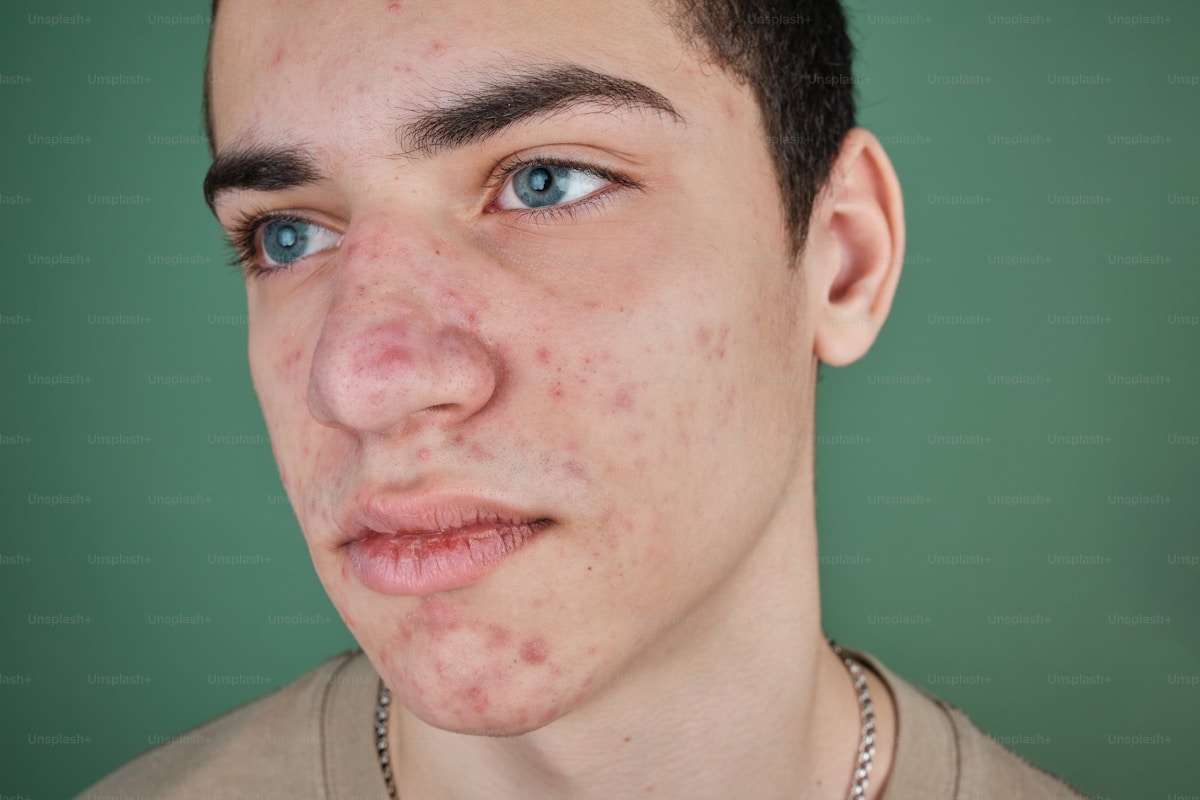
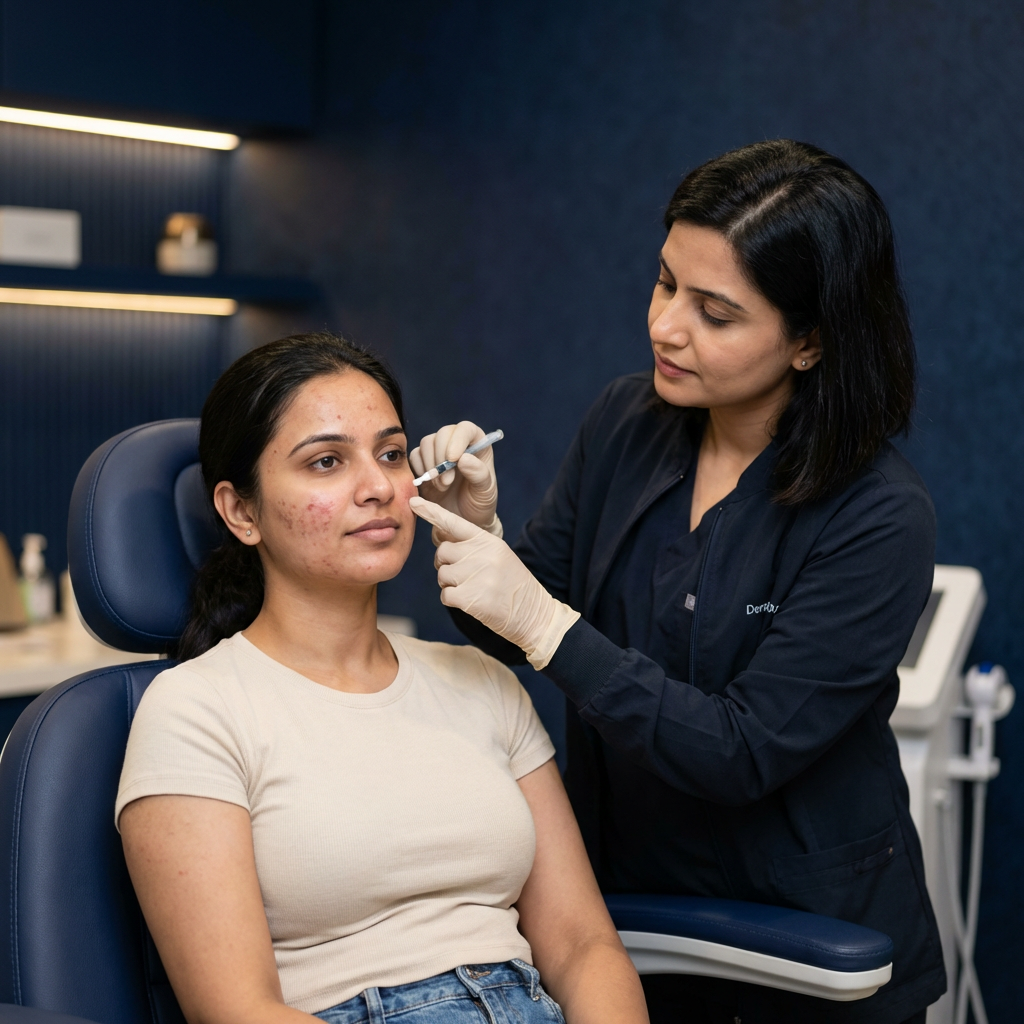
Brown and red marks left after acne, rashes, or insect bites. PIH is particularly common and persistent in darker South Asian skin — we use depigmenting peels and Q-switch safely on Fitzpatrick IV–VI.
Overall dullness, uneven complexion, and generalised darkening respond well to IV glutathione drips combined with brightening chemical peels — producing a perceptible glow and uniformity.
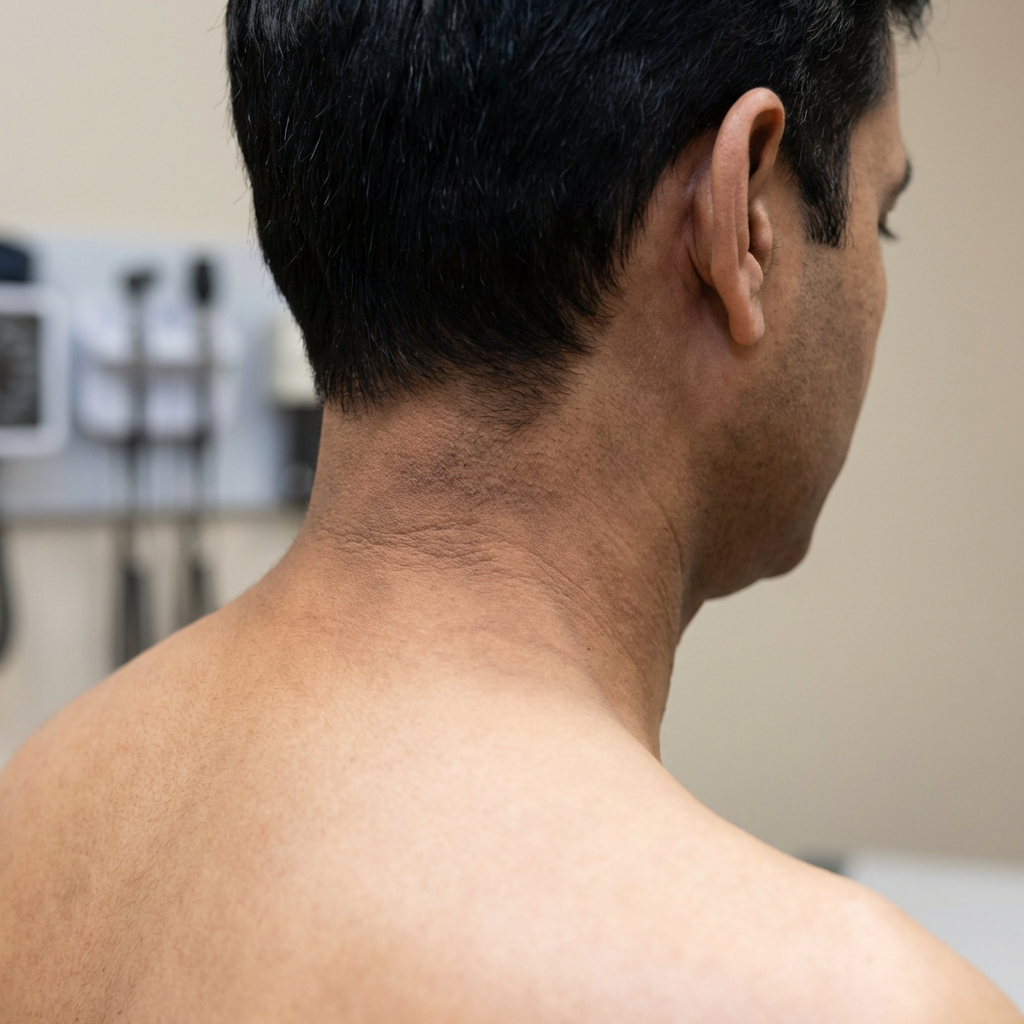
Friction-induced and hormonal darkening of the underarms, neck, and knees is treated with topical depigmenting agents, Q-switch laser, and periodic chemical peels for gradual, safe lightening.
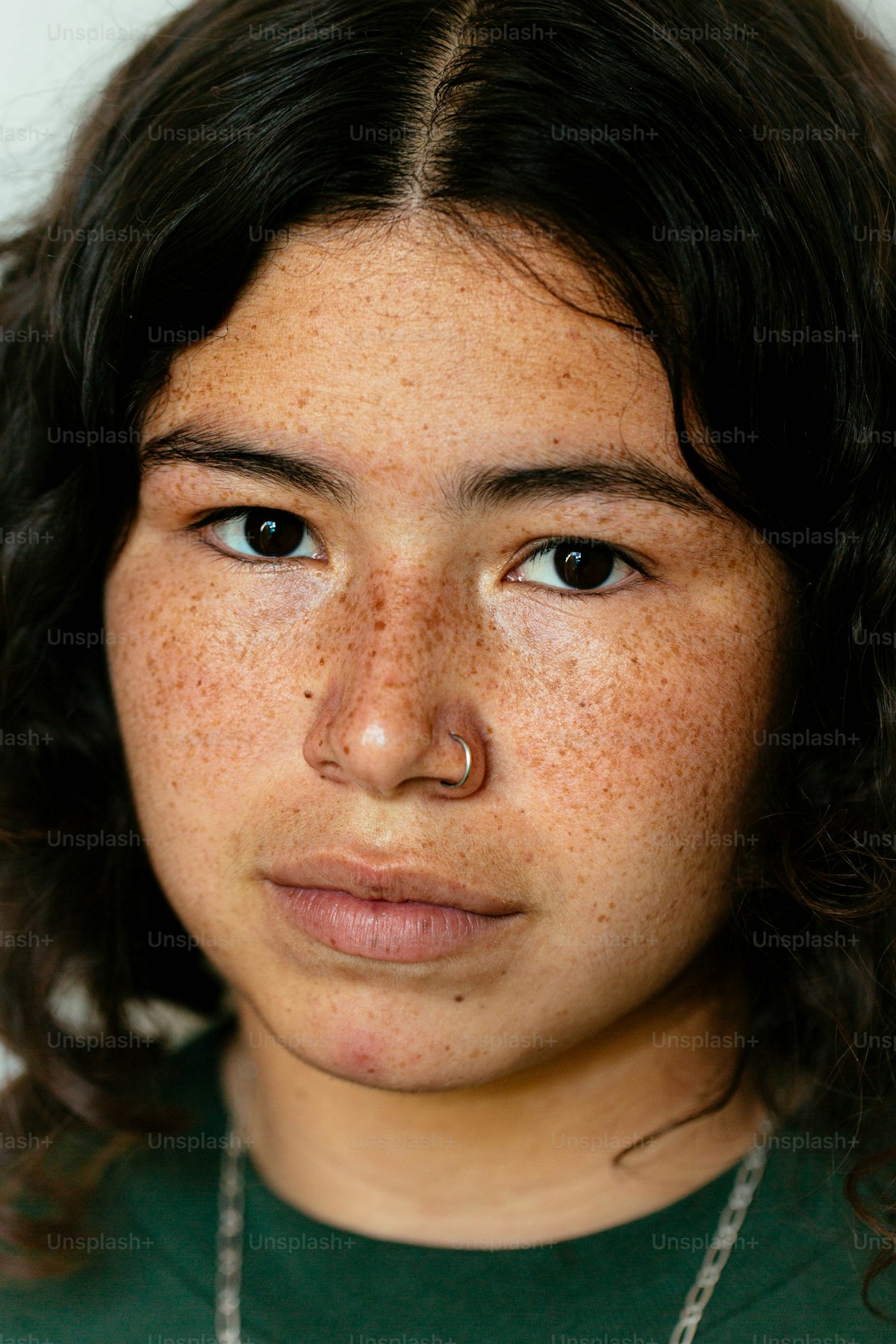
Freckles and ephelides (flat light-brown spots) respond excellently to Q-switched Nd:YAG treatment — often clearing significantly in 2–3 sessions with minimal downtime and no surface damage.
Pigmentation treatment is a process, not a single session. Correct diagnosis, appropriate modality, and strict sun protection together determine results — skipping any step leads to recurrence.
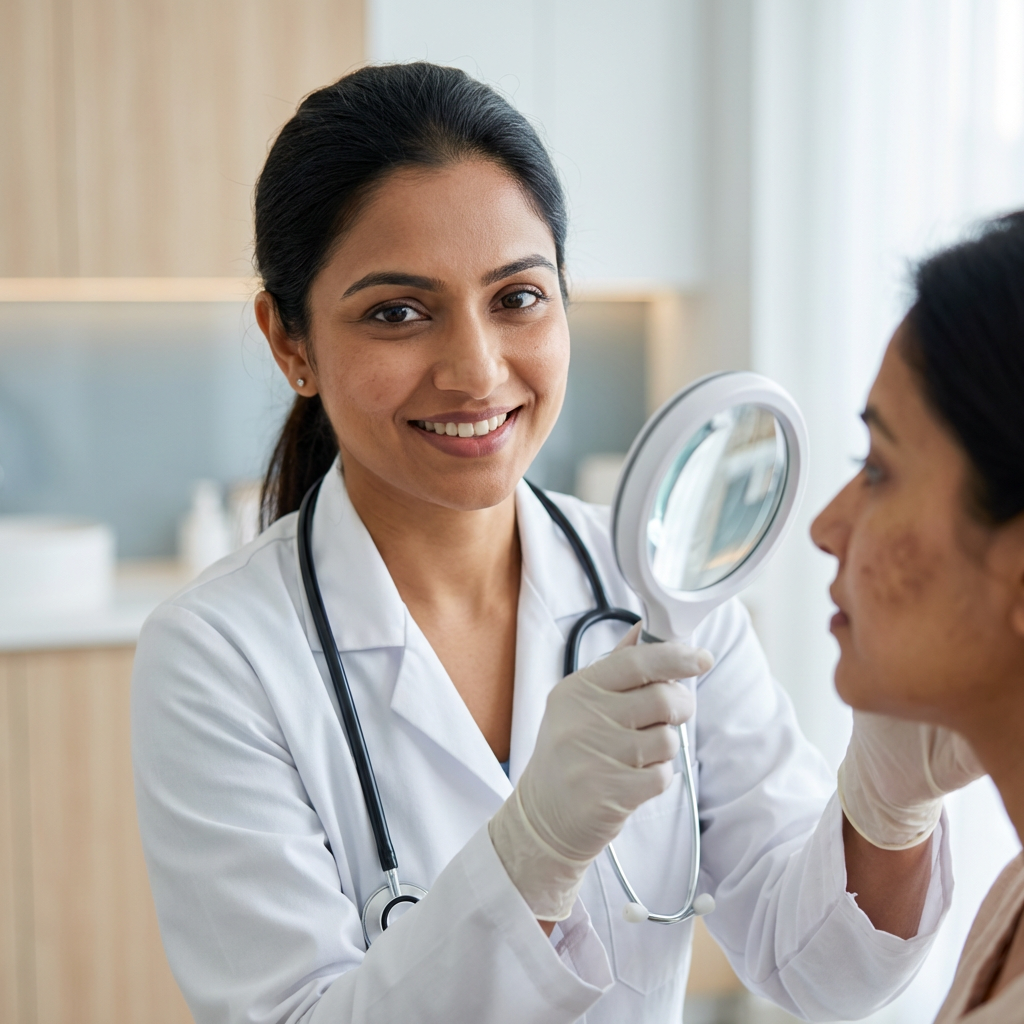
Your dermatologist uses a Wood's lamp (UV light) to classify your pigmentation as epidermal (superficial), dermal (deep), or mixed. This single step determines which treatment will work — treating dermal pigmentation with only superficial peels is one of the most common mistakes at non-medical clinics.
No pigmentation treatment will work without strict, consistent sun protection. We prescribe SPF 50+ PA++++ sunscreen and educate on reapplication. This begins 2 weeks before the first in-clinic session.
Prescription-strength topicals (modified Kligman's formula, kojic acid, niacinamide) suppress melanin production between sessions. These are customised to your pigmentation type and applied nightly.
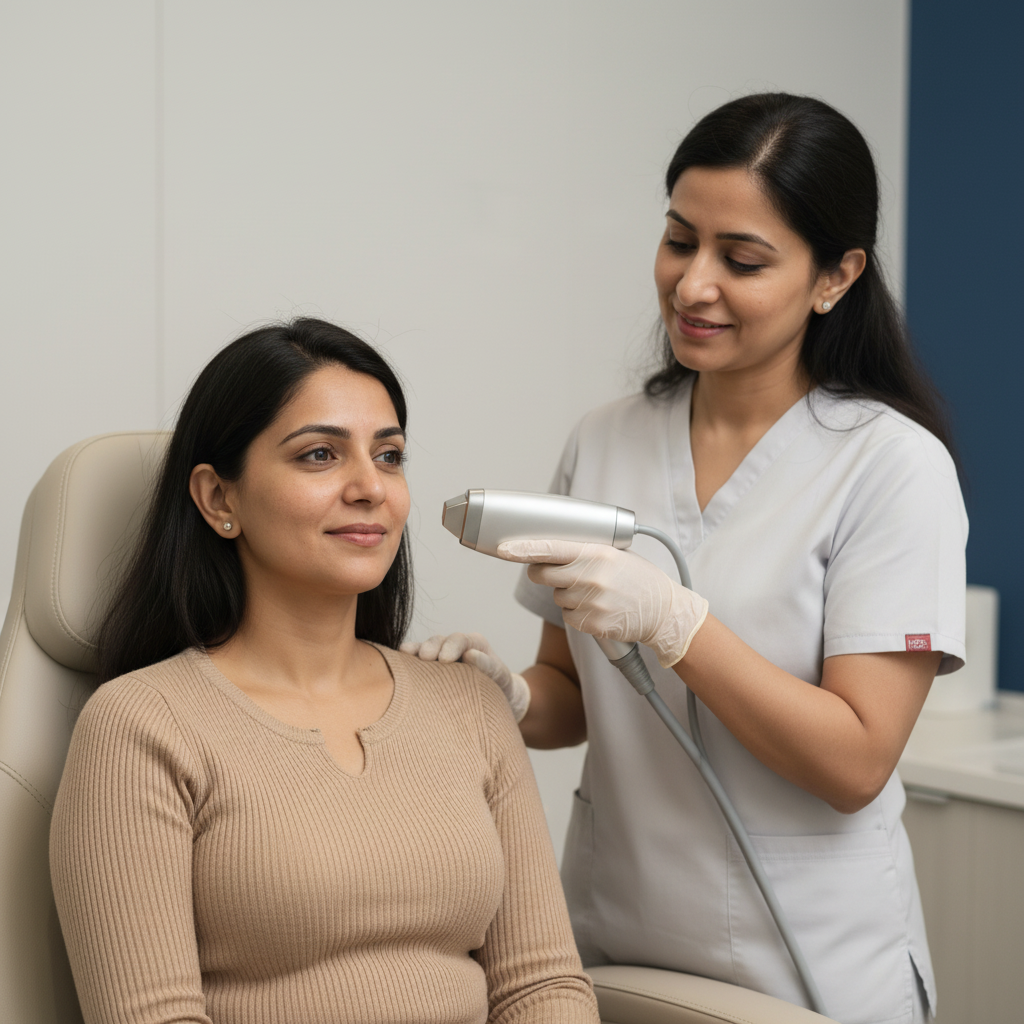
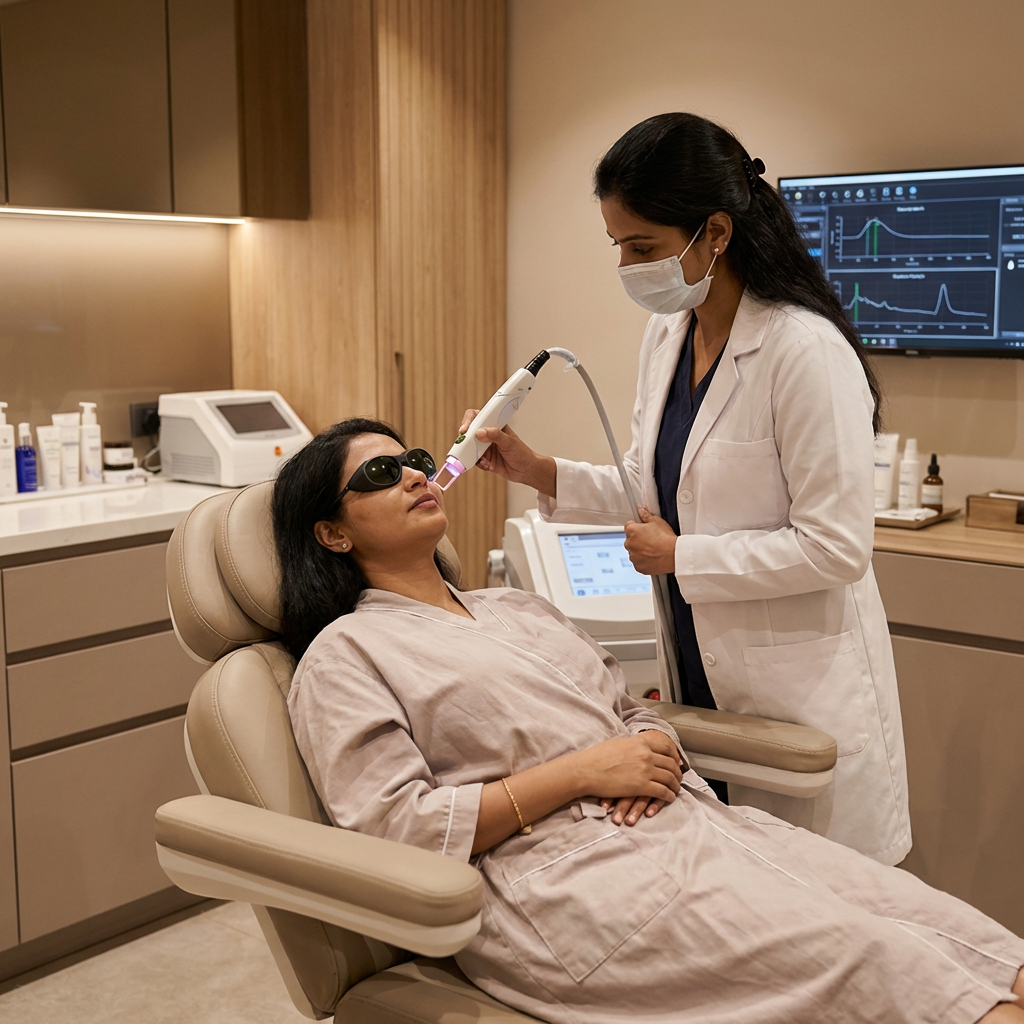
Ultra-short nanosecond pulses shatter melanin clusters in the epidermis and dermis without heating surrounding tissue. The 1064nm wavelength is safe for all Fitzpatrick types. Sessions are spaced 3–4 weeks apart.
Intravenous glutathione inhibits tyrosinase (the enzyme that produces melanin) systemically. Combined with topical and laser treatment, it accelerates overall skin brightening and uniformity.
Melasma and PIH have a high recurrence rate without maintenance. We set up a long-term maintenance plan: monthly Q-switch touch-ups, topical rotation, and seasonal adjustments based on your sun exposure habits.
Most pigmentation protocols are designed for lighter skin. We specialise in treating Fitzpatrick IV–VI — the skin types where pigmentation is most persistent and where wrong treatment causes the most damage.
We classify your pigmentation before treating it. Epidermal pigmentation (responds to laser) and dermal pigmentation (responds differently) require entirely different protocols — and we always differentiate.
High-fluence Q-switch on dark skin causes paradoxical darkening. We use low-fluence toning protocols validated for Fitzpatrick IV–VI — the same approach used at leading centres worldwide.
For melasma, we address hormonal triggers. For PIH, we resolve the underlying inflammation. Treating colour without cause guarantees recurrence — we design maintenance protocols that last.
Q-switch Nd:YAG toning has virtually no downtime. Patients resume daily activities immediately — including office work. No peeling, no redness lasting more than a few hours after each session.
| Feature | Q-Switch Nd:YAG | Chemical Peel | Glutathione IV | Topical Alone |
|---|---|---|---|---|
| Best for | All pigmentation types | Superficial PIH, dullness | Overall brightening | Mild pigmentation |
| Pigmentation depth | Epidermal + dermal | Epidermal only | Systemic | Epidermal only |
| Downtime | None | 2–5 days peeling | None | None |
| Sessions needed | 4–8 sessions | 4–8 sessions | 4–10 sessions | Ongoing daily |
| Safe for dark skin | ✓ Low-fluence protocol | Superficial only | ✓ Yes | ✓ Yes |
| Starting cost | ₹3,000/session | ₹2,000/session | ₹2,500/session | ₹800/month |
Each modality targets melanin at a different level and depth — we combine them for faster, more durable results than any single treatment alone.
Nanosecond pulses at 1064nm selectively destroy melanin pigment clusters in both the epidermis and dermis — the safest effective laser for dark Indian skin.
Melasma · Sun Damage · PIHMandelic, kojic, and TCA peels with depigmenting actives exfoliate pigmented epidermis and enhance penetration of topical treatments applied after.
PIH · Dullness · TextureHigh-dose IV glutathione inhibits tyrosinase systemically — switching melanin production from dark eumelanin to lighter phaeomelanin for overall brightness and tone uniformity.
Skin Brightening · ToneModified Kligman's formula, kojic acid, azelaic acid, and niacinamide combinations — prescribed and monitored to prevent overuse side effects and maximise home-care results.
Home Protocol · All TypesPer-session rates at Supreme Elite Clinic, Kelambakkam OMR 603103
Book a free consultation. Your dermatologist will perform Wood's lamp classification, diagnose your pigmentation type, and provide a written treatment plan before any commitment.
Book Free ConsultCall us at +91 96774 73344 or fill the form and we will call you back within 2 hours.