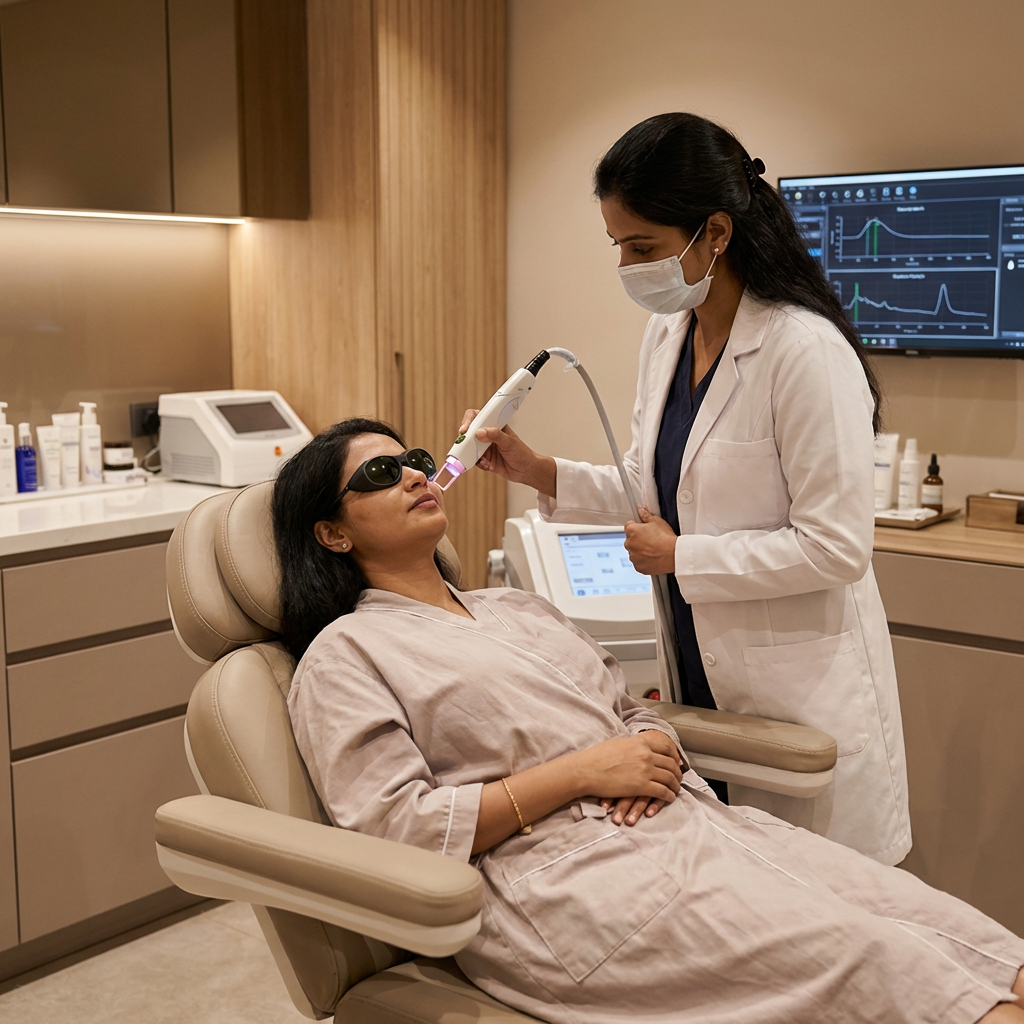
Medical Dermatology

Chemical
Peels

Superficial, medium, and deep peels using glycolic, salicylic, TCA, and lactic acids to exfoliate dead skin, reduce pigmentation, shrink pores, and reveal fresh, glowing skin — customised to your Fitzpatrick skin type for safe, effective results.

30Minute session
4–8Sessions recommended
1–5Days peeling
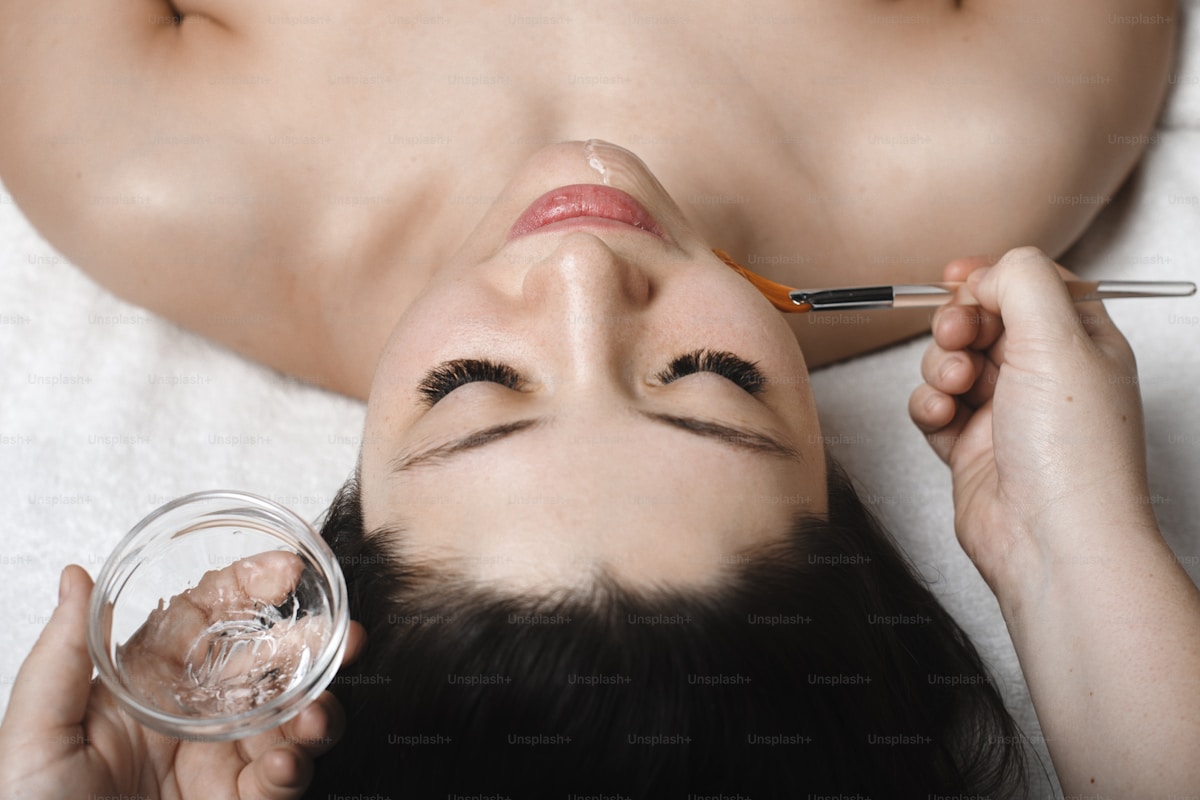
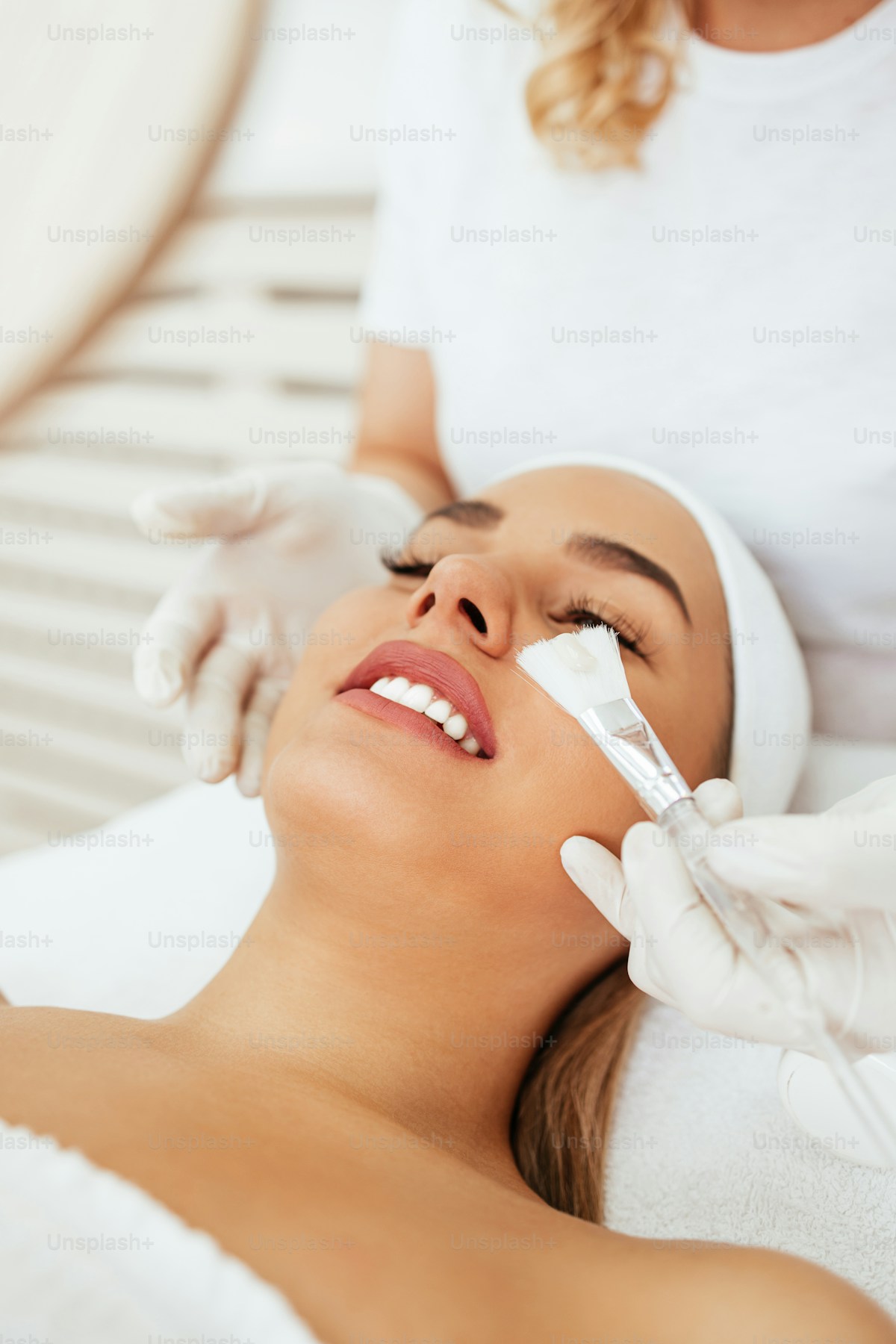
Chemical peel treatment at clinic
₹2,000Starting per session

Peel Types

6 Medical-Grade Peels.
One Right for You.

Not all peels are the same — depth, acid type, and concentration are selected by your dermatologist based on your skin concern, skin type, and Fitzpatrick classification.

Salicylic acid peel for acne
BHA — Superficial

Salicylic Acid Peel

Oil-soluble beta-hydroxy acid that penetrates and unclogs sebaceous follicles — ideal for acne-prone, oily, and combination skin. Reduces blackheads, whiteheads, and active breakouts. Safe for all Fitzpatrick types.

4–8 sessions₹2,000+
Glycolic acid peel for texture
AHA — Superficial

Glycolic Acid Peel

The smallest AHA molecule for deepest superficial penetration — effectively exfoliating the epidermis to improve texture, dullness, fine lines, and mild pigmentation. Requires priming on darker skin tones.

4–6 sessions₹2,500+
TCA peel for pigmentation
TCA — Medium Depth

TCA Peel (Trichloroacetic Acid)

Medium-depth peel reaching the papillary dermis — effective for moderate pigmentation, acne scars, fine lines, and rough texture. Produces visible peeling for 3–5 days. Requires careful skin-type selection.

2–4 sessions₹4,000+
Mandelic acid peel dark skin
AHA — Superficial

Mandelic Acid Peel

Largest AHA molecule — slowest, gentlest penetration making it the safest AHA for darker skin tones. Effectively treats pigmentation, melasma, and mild acne with minimal post-inflammatory hyperpigmentation risk.

4–8 sessions₹2,000+
Lactic acid peel for hydration
AHA — Superficial

Lactic Acid Peel

A hydrating AHA derived from milk — exfoliates while maintaining the skin's moisture barrier. Ideal for dry, sensitive, and mature skin types. Reduces pigmentation and improves overall luminosity with minimal irritation.

4–6 sessions₹2,000+
Combination peel treatment
Combination

Combination & Modified Peels

Jessner's solution, modified Kligman's peels, and salicylic-mandelic combinations for complex skin concerns. Designed for patients with multiple concurrent issues — pigmentation, acne, texture, and pores in one protocol.

4–6 sessions₹3,500+
The Treatment Journey

Your Chemical Peel
Session — Step by Step

A medical-grade peel is not a spa facial. Every step is performed by a qualified dermatologist or under direct supervision — from skin preparation to aftercare.

1

Skin Assessment & Fitzpatrick Typing

Your dermatologist assesses your skin type, concern, and history before selecting the peel type and concentration. This is critical — applying the wrong peel to dark skin causes post-inflammatory hyperpigmentation that can take months to resolve.

2

Pre-Peel Priming (2 Weeks)

For medium-depth peels and glycolic acid on darker skin, a 2-week priming protocol is prescribed: daily retinoid application and SPF 50+ use. Priming improves results and reduces post-peel hyperpigmentation risk.

3

Degreasing & Preparation

The treatment area is thoroughly degreased with acetone or alcohol to ensure even penetration. No makeup, moisturiser, or sunscreen should be on the skin before your appointment.

4

Peel Application & Timing

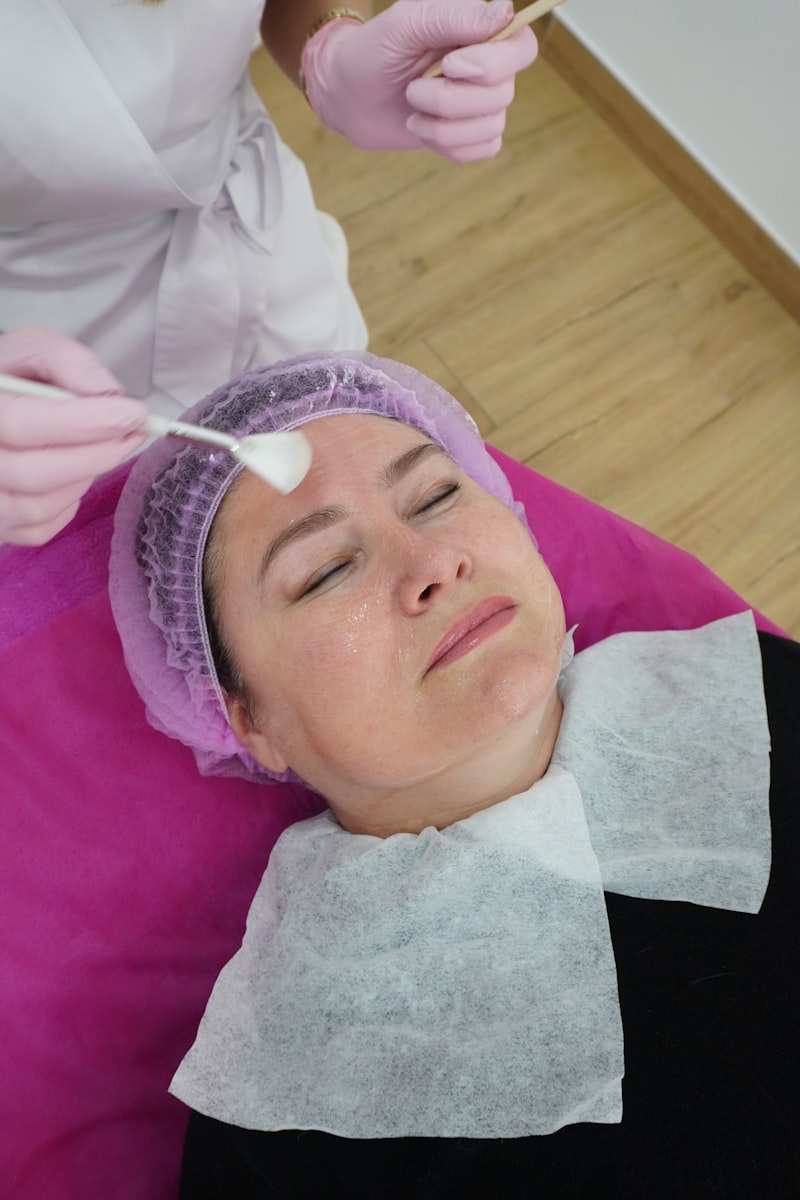
The peel is applied in layers with a fan brush or gauze. Time on skin is carefully controlled — your dermatologist monitors frosting (for TCA) or skin response and neutralises at the appropriate endpoint. You may feel tingling or mild stinging.

5

Neutralisation & Soothing Mask

AHA peels are neutralised with sodium bicarbonate solution. A chilled calming mask (aloe, panthenol) is applied for 10 minutes after neutralisation to reduce post-peel redness and heat.

6

Aftercare & Sun Protection

You leave with a written aftercare guide, a gentle moisturiser, and SPF 50+. Do not pick or forcibly peel flaking skin — let it shed naturally over 3–7 days. Sun avoidance is non-negotiable for 2 weeks post-peel.

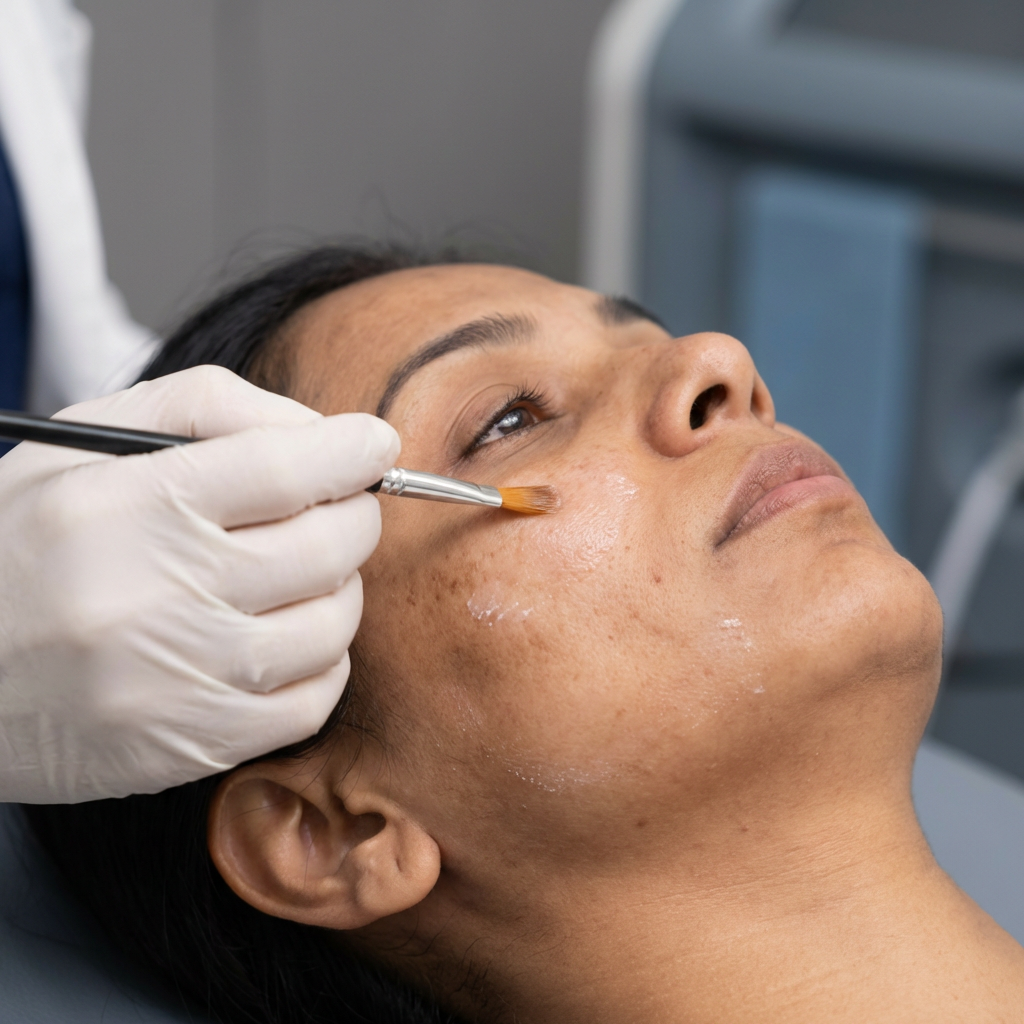
Dermatologist performing chemical peel
Why Choose Us

Medical Peels — Not
Salon Facials

Salon peels use cosmetic-grade, low-concentration acids that produce minimal results. Medical-grade peels require prescription-strength concentrations, proper training, and neutralisation technique — and must be performed by or under a dermatologist.

Fitzpatrick-Safe Peel Selection

We never apply TCA or high-strength glycolic peels to unprepared dark skin. Our dermatologists select the safest effective option for your skin tone — avoiding the PIH complications that occur at less experienced clinics.

Prescription-Strength Concentrations

Our peels use medical-grade concentrations unavailable in retail products — producing clinically significant results in fewer sessions than any OTC or salon alternative.

Combination Protocols for Faster Results

Peels are often combined with Nd:YAG laser or Q-switch in the same session for superior outcomes. Your dermatologist designs a sequenced combination protocol — not just a standalone peel.

Transparent Peeling Timeline

We tell you exactly what to expect — when peeling starts, how much, and when it stops. No surprises. Most patients need 5–7 days of mild peeling for superficial peels, 3–5 days for TCA.

Glowing skin results after chemical peel
30Minute session
VisibleResults from session 1
SafeAll Fitzpatrick types
1–5Days downtime max
Choosing Your Peel

Peel Depth &
Acid Comparison

Peel Type Best Concern Depth Downtime Dark Skin Safe
Salicylic AcidAcne, oily skin, poresSuperficialNone✓ Yes
Mandelic AcidPigmentation, dark skinSuperficial1–2 days mild✓ Yes
Lactic AcidDry skin, mild pigmentationSuperficial1–2 days mild✓ Yes
Glycolic AcidTexture, fine lines, dullnessSuperficial2–3 daysWith priming
TCA PeelScars, moderate pigmentationMedium depth3–5 days peelingCareful selection
Combination PeelMultiple concernsSuperficial–medium2–5 daysDermatologist only
Acids We Use

Medical-Grade Peeling Agents

Each acid works through a different mechanism. Your dermatologist selects the right acid, concentration, and layering technique for your specific concern and skin type.

Alpha Hydroxy Acids (AHA)

Glycolic, lactic, and mandelic acids — water-soluble exfoliants that disrupt corneocyte cohesion, shedding dead skin cells and improving texture, tone, and pigmentation.

Texture · Pigmentation · Glow

Beta Hydroxy Acid (BHA)

Salicylic acid — oil-soluble so it penetrates follicle walls and clears sebum and keratin plugs from inside the pore. The gold standard for acne-prone and oily skin.

Acne · Pores · Oily Skin

Trichloroacetic Acid (TCA)

Medium-depth peeling agent that penetrates to the papillary dermis — causing protein coagulation and epidermal reconstruction. Effective for scars, deep pigmentation, and severe photoageing.

Scars · Deep Pigmentation

Combination Formulas

Jessner's solution (resorcinol, salicylic, lactic) and modified Kligman's (kojic, mandelic, niacinamide) — synergistic formulas for complex concerns requiring multiple mechanisms simultaneously.

Complex Concerns
Common Questions

Chemical Peel
FAQs

At Supreme Elite Clinic, Kelambakkam OMR, superficial peels (salicylic, mandelic, lactic) start from ₹2,000 per session. Glycolic acid peels start from ₹2,500. TCA and combination peels start from ₹3,500–₹4,000. A course of 4–6 sessions typically costs ₹8,000–₹24,000 depending on peel type and number of sessions. Exact pricing after skin assessment.
Superficial peels (salicylic, mandelic) typically produce 1–3 days of fine, subtle peeling — often not visible to others. Glycolic acid causes 2–4 days of peeling. TCA peels produce visible, sheet-like peeling from days 3–7. Do not forcibly peel or pick the skin — let it shed naturally to avoid post-inflammatory marks.
Yes — when the right peel is selected and proper pre-treatment priming is done. Salicylic, mandelic, and lactic acid peels are safe for all Fitzpatrick types without priming. Glycolic acid peels on Fitzpatrick IV–VI require 2 weeks of pre-peel priming to prevent PIH. TCA peels require even more careful patient selection and are avoided in very dark skin tones without adequate preparation. This is why a dermatologist must select your peel — not a beautician.
Most patients notice visible improvement — brighter skin, reduced pores, fewer breakouts — after just one or two sessions. A full course of 4–8 sessions (spaced 3–4 weeks apart) is recommended for significant improvement in pigmentation, acne, or texture. Maintenance peels every 6–8 weeks sustain results long-term.
Before: Stop retinoids 5 days before. No sun exposure, waxing, or threading for 1 week before. Come with clean skin — no makeup or sunscreen on treatment day.
After: No active skincare (acids, retinoids, vitamin C) for 7 days. Use only the gentle moisturiser and SPF 50 provided. No sun exposure for 2 weeks. No gym or hot shower for 24 hours. Do not pick peeling skin.

Peel Pricing Guide

Per-session rates at Supreme Elite Clinic, Kelambakkam OMR 603103

Salicylic Acid Peel₹2,000+
Mandelic / Lactic Peel₹2,000+
Glycolic Acid Peel₹2,500+
Combination Peel₹3,500+
TCA Peel₹4,000+
Course packages available. Exact pricing after skin assessment.
Book Appointment

Start Your Journey
to Glowing Skin

Call us at +91 96774 73344 or fill the form and we will call you back within 2 hours.

Medical-Grade Peels
Fitzpatrick-Safe Selection
Dermatologist-Supervised
All Skin Types
Kelambakkam OMR 603103