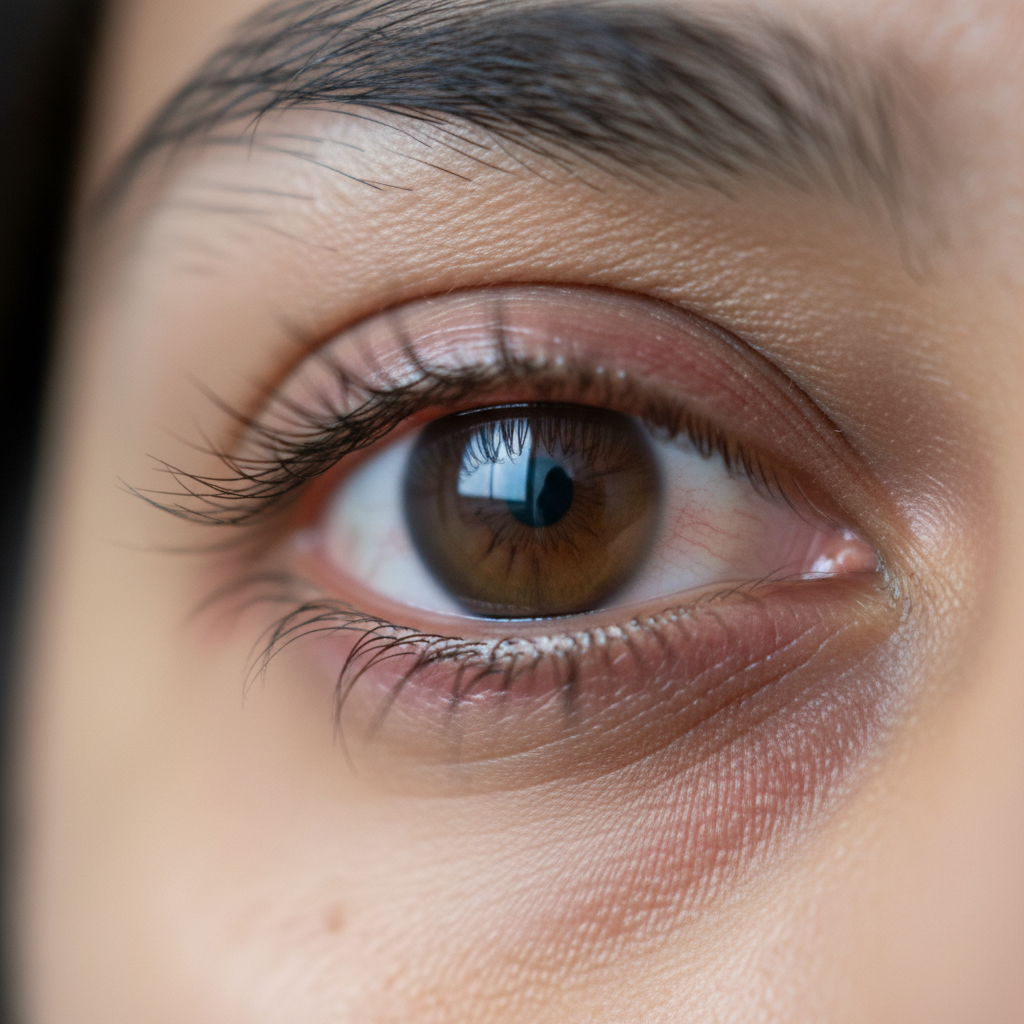
Dry eyes are not just discomfort — chronic inflammation damages the ocular surface and can reduce visual quality significantly. 85% of cases stem from Meibomian gland dysfunction, not reduced tear production. Treatment must target the root cause.
Dry eye is not one condition — it's a spectrum. Identifying whether your tears are insufficient in volume (aqueous deficiency) or evaporating too fast (evaporative/MGD) determines the treatment approach entirely.
Blockage of the oil-secreting glands at the eyelid margin causes the lipid layer of the tear film to thin — tears evaporate within seconds. Symptoms include burning, grittiness, and fluctuating vision worsening through the day. IPL and expression are the definitive treatments.
The lacrimal gland fails to produce sufficient aqueous volume. Can be associated with Sjögren's syndrome, radiation, medications (antihistamines, antidepressants), or age-related lacrimal atrophy. Punctal plugs and immunosuppressive drops (ciclosporin) are first-line.
Chronic eyelid margin inflammation — anterior (staphylococcal) or posterior (seborrhoeic/Demodex infestation). Demodex mites in lash follicles are increasingly recognised as a driver of treatment-resistant dry eye and MGD. Tea tree oil and in-clinic BlephEx lid debridement resolve Demodex infestations.
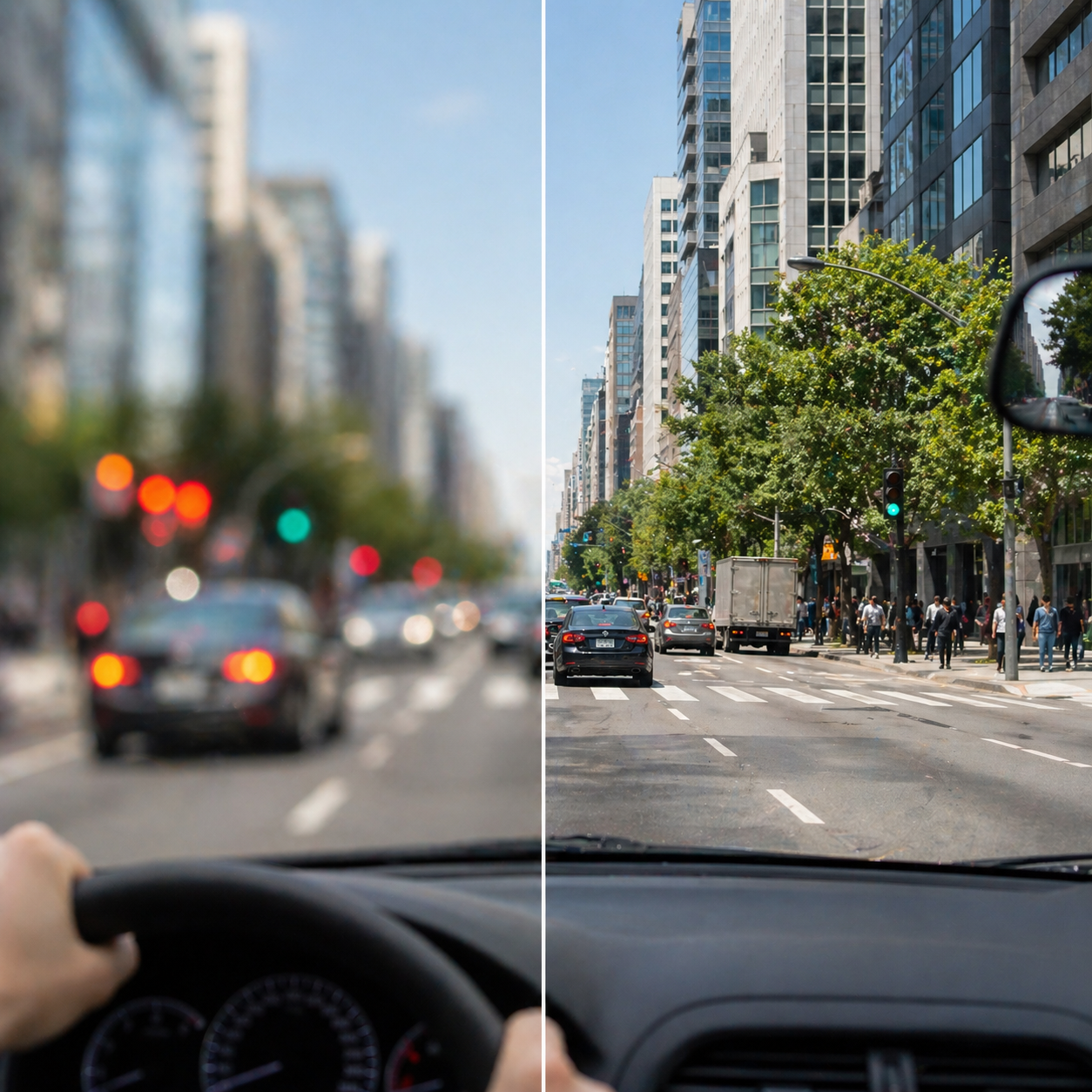
Screen use reduces blink rate from ~18/min to ~4/min — causing tear film instability and dry spots. OMR's tech workforce is highly susceptible. The 20-20-20 rule helps, but structured treatment with preservative-free drops, blue-light management, and lid warming achieves lasting relief.
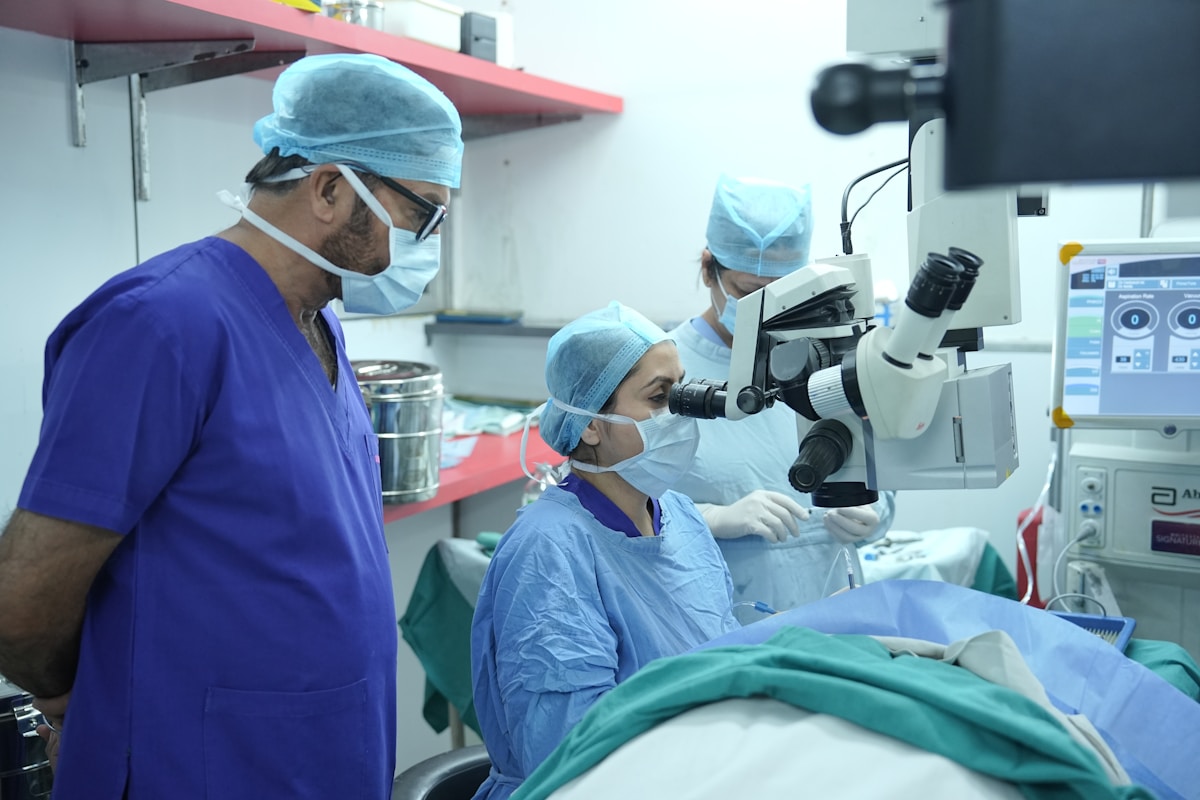
LASIK severs corneal nerves, reducing the blink reflex and lacrimal gland stimulation for 6–12 months. Neurotrophic dry eye can persist longer. Intensive lubrication during the nerve regeneration period and IPL to manage any underlying MGD are essential for comfort and optimal visual outcomes post-surgery.
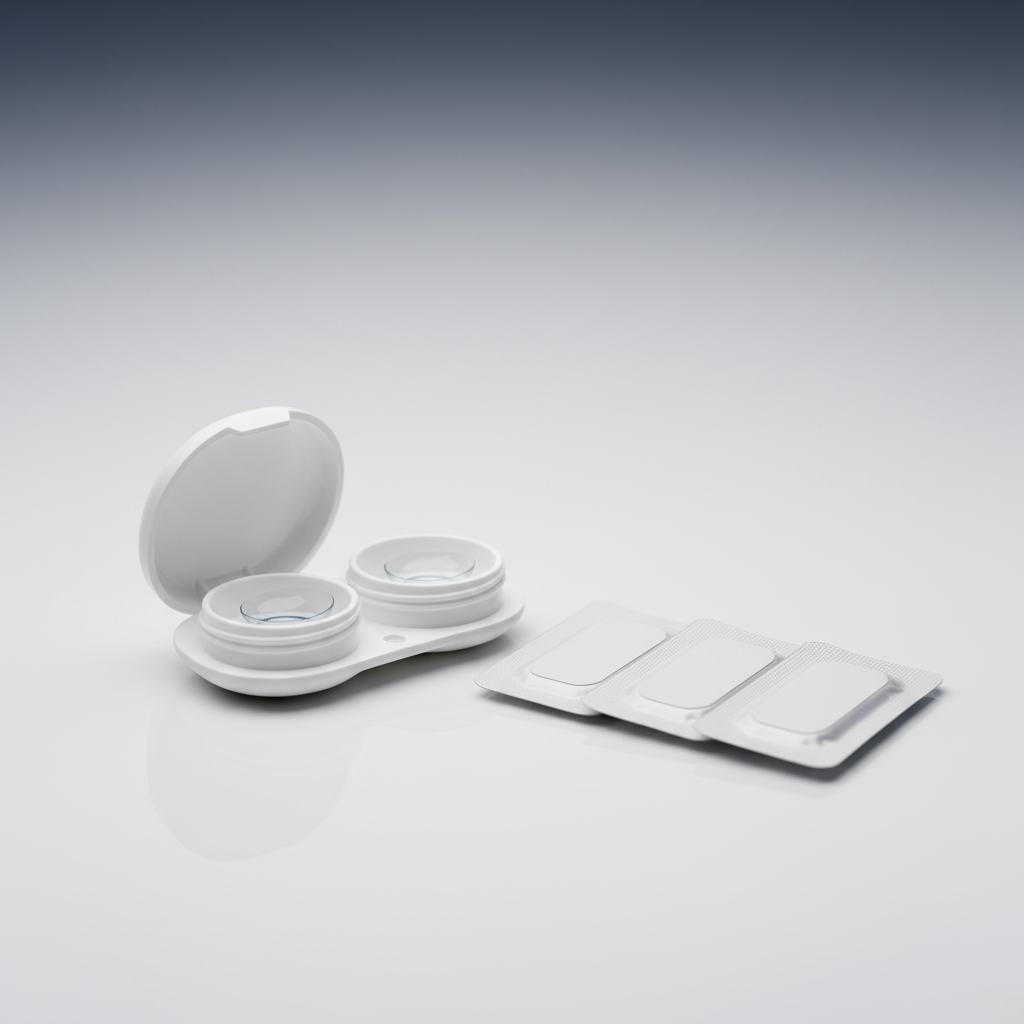
Autoimmune destruction of lacrimal and salivary glands causes severe aqueous deficiency. Often undiagnosed for years. We coordinate ocular surface management alongside rheumatology review. Serum eye drops, scleral contact lenses, and immunosuppressive agents for refractory cases.
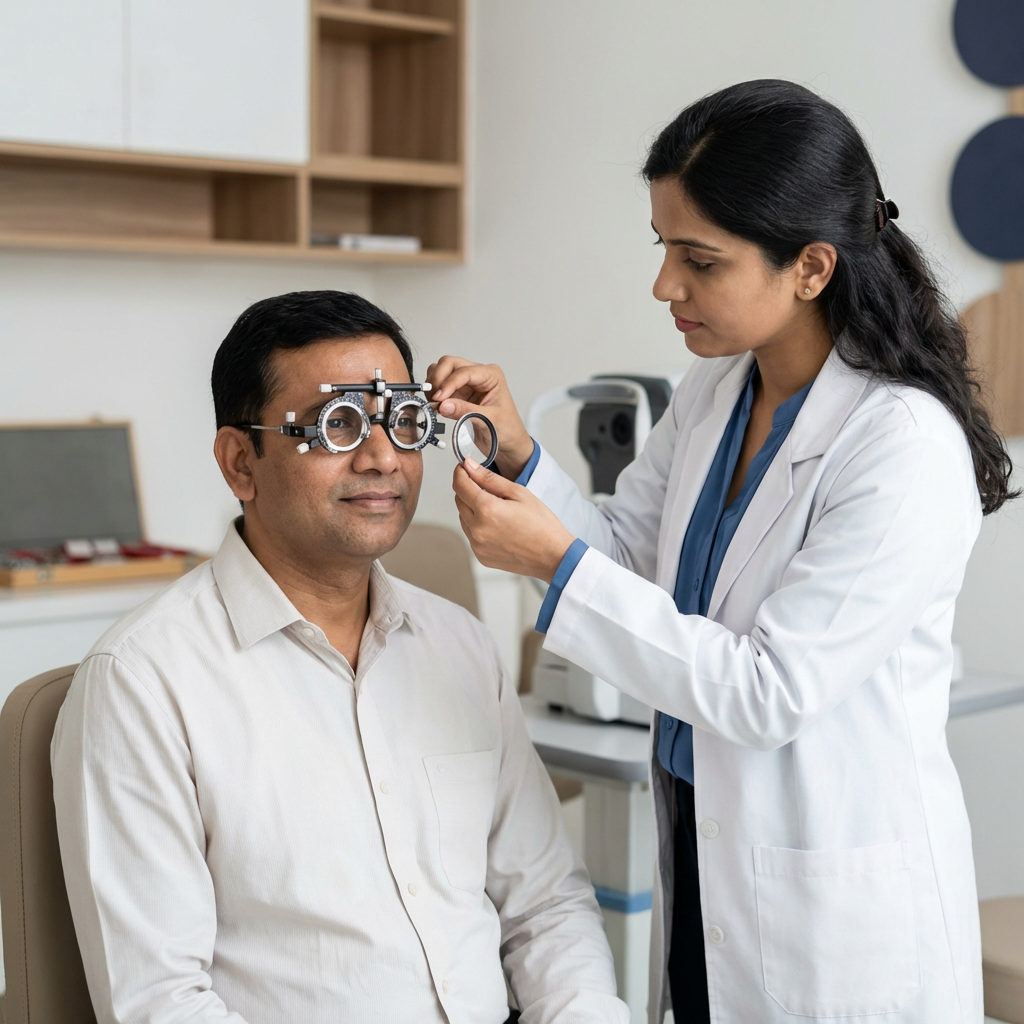
Most patients come having tried multiple eye drops without lasting relief — because the underlying cause was never identified. We assess the tear film, meibomian gland function, and ocular surface before recommending any treatment.
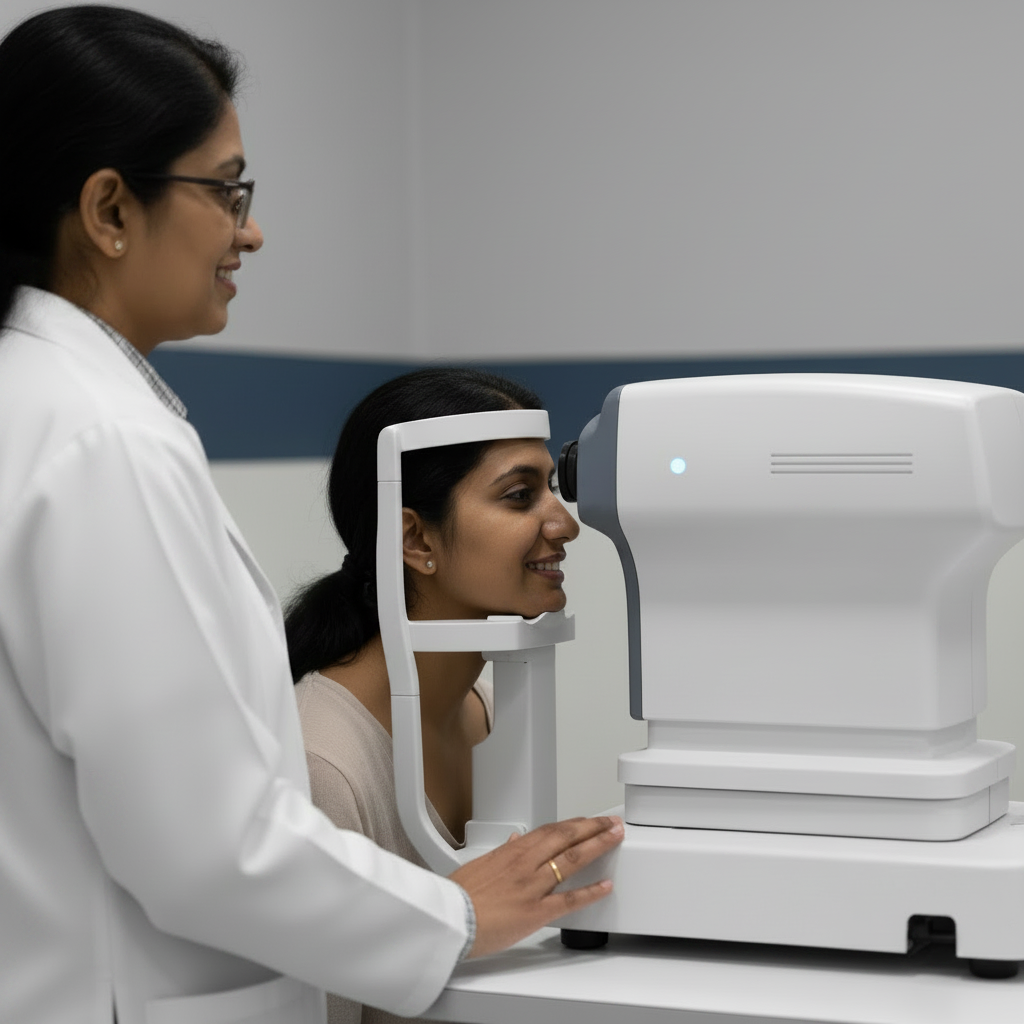
Fluorescein tear break-up time quantifies lipid layer stability. Tear osmolarity (TearLab) is the most sensitive biomarker for dry eye disease severity and treatment response monitoring.
Infrared imaging of the eyelid shows meibomian gland dropout — the structural damage that underlies evaporative dry eye. Reveals whether glands are blocked, truncated, or absent, guiding treatment urgency.
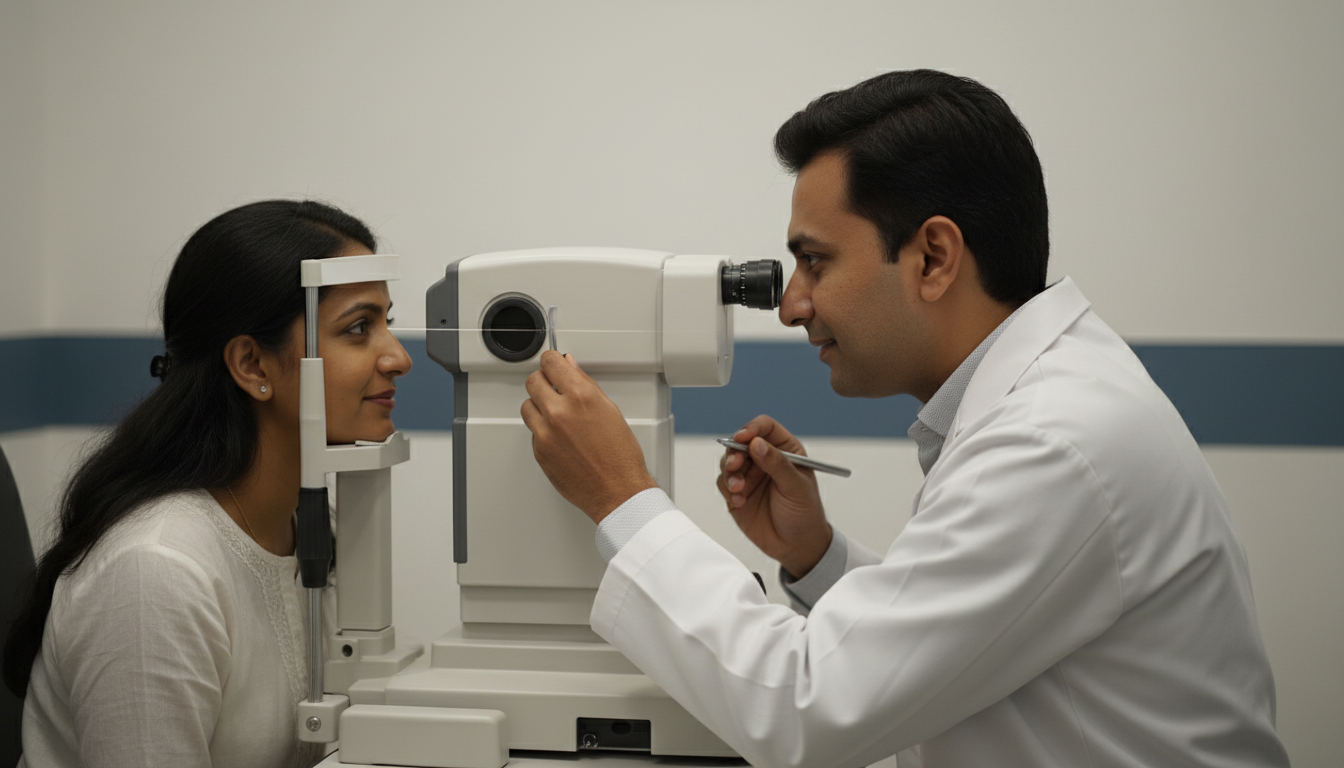
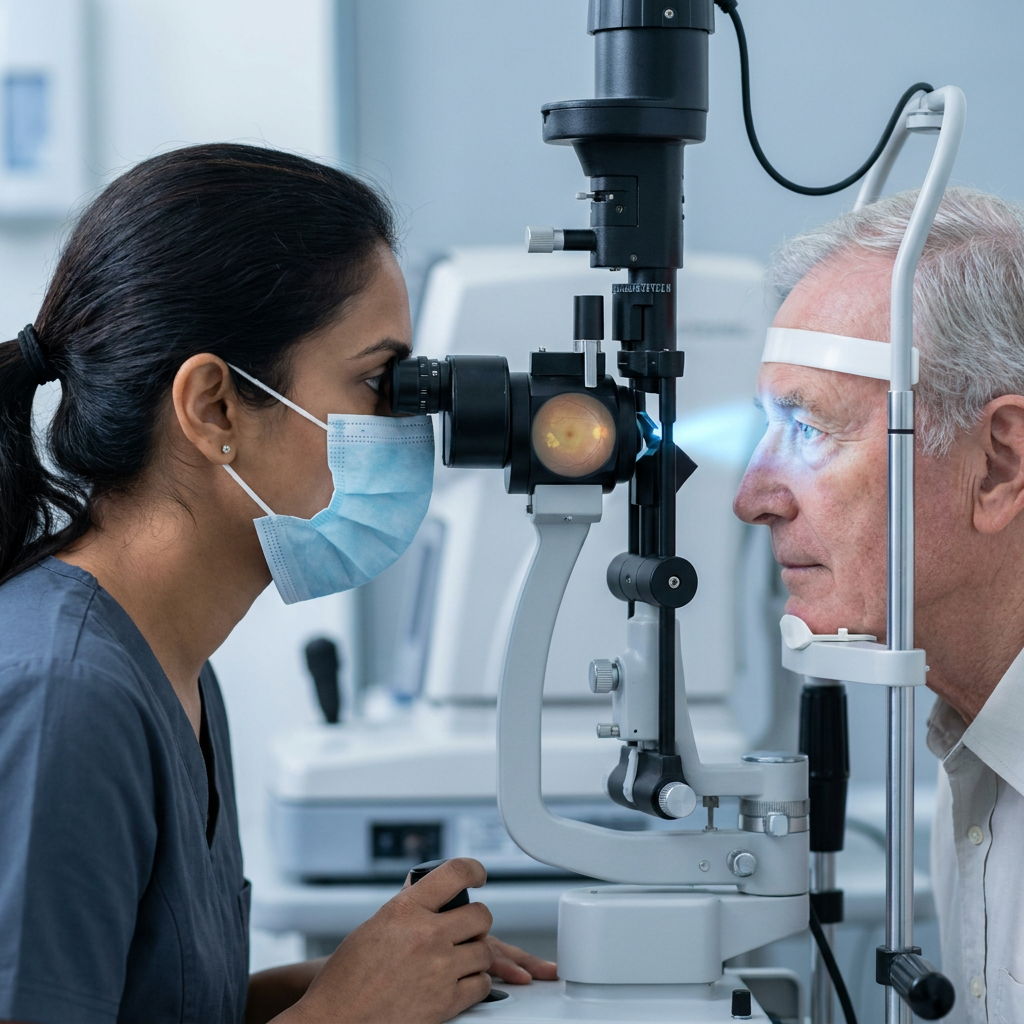
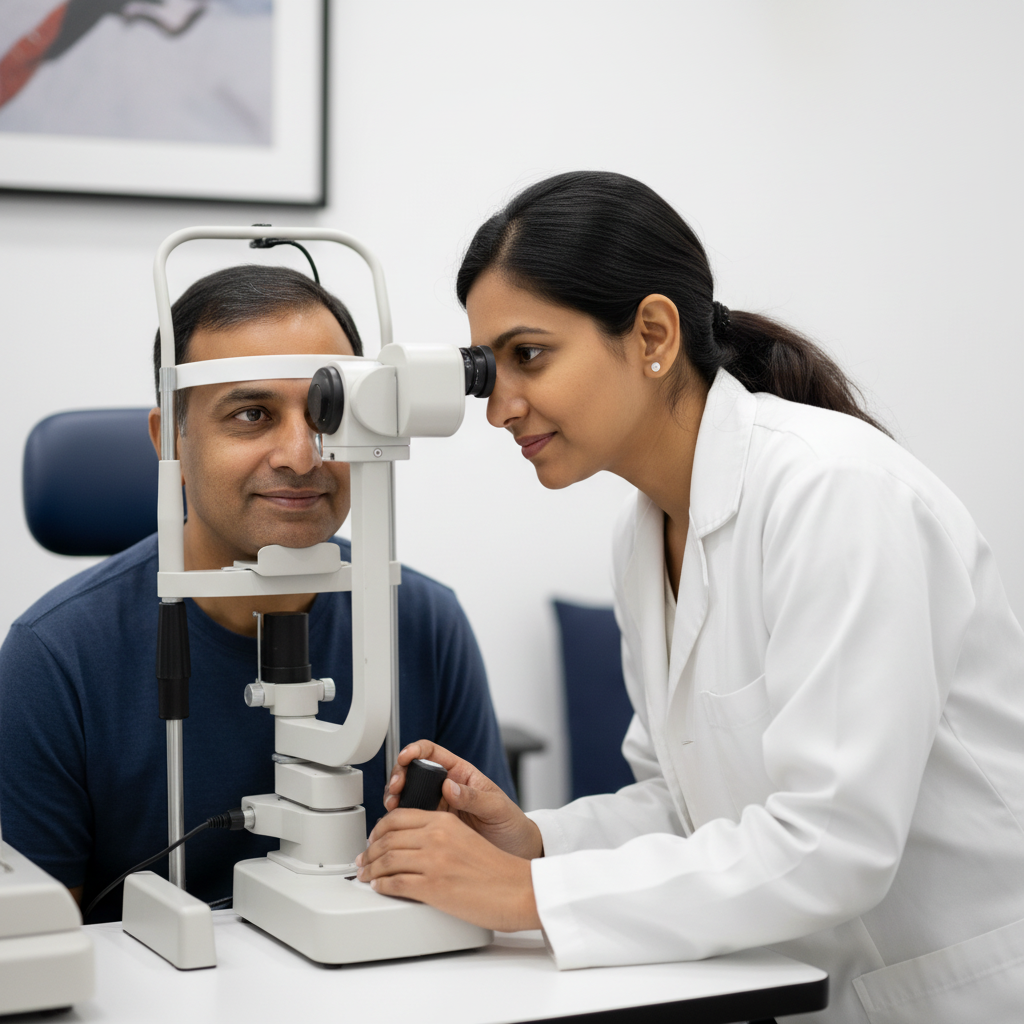
Schirmer's strips measure aqueous production volume. Slit lamp examination grades corneal staining (rose Bengal / lissamine green) to document epithelial damage from chronic dryness.
IPL reduces periocular inflammation, liquefies meibum, and kills Demodex — improving gland function over 4 monthly sessions. LipiFlow applies vectored thermal pulsation to unblock glands. Manual gland expression clears obstructed orifices immediately.
Osmolarity re-testing at 3 months documents objective improvement. Personalised home regimen — warming mask frequency, lid scrubs, omega-3 supplementation, and preservative-free drop selection — to maintain results between clinic visits.

Artificial tears mask symptoms — they don't restore gland function. Our IPL and meibomian gland expression program addresses the structural cause of MGD, with objective osmolarity testing to prove improvement.
Intense pulsed light reduces periocular inflammatory mediators and liquefies thickened meibum — improving gland secretion quality. Clinical studies show >70% patient satisfaction after a 4-session course with results lasting 12–18 months.
We measure tear osmolarity at baseline and at follow-up visits — giving you a number that shows whether treatment is working. Not symptom scores alone, but measurable biochemical evidence of improvement.
We prescribe preservative-free drops exclusively for chronic dry eye — benzalkonium chloride (BAK) in preserved drops perpetuates the ocular surface inflammation it is meant to treat. Small detail, significant difference for daily long-term users.
The right treatment depends on your dry eye type, severity, and whether you have underlying MGD. Many patients benefit from a combination approach.
| Treatment | Artificial Tears | IPL Therapy | Punctal Plugs | Ciclosporin Drops |
|---|---|---|---|---|
| Dry Eye Type | Any (symptomatic relief) | Evaporative / MGD | Aqueous deficient | Aqueous deficient / immune |
| Treats Root Cause | No — masking only | Yes — gland function | Partially — retains tears | Yes — immune modulation |
| Duration of Benefit | Hours per drop | 12–18 months | Ongoing while in place | Ongoing with use |
| Sessions Required | 4–8× daily indefinitely | 4 monthly sessions | Single procedure | Twice daily indefinitely |
| Side Effects | BAK toxicity (preserved) | Minimal — no downtime | Epiphora if wrong size | Burning on instillation |
| Cost | ₹200–₹800/month | ₹6,000/session (×4) | ₹4,000/pair | ₹1,500/month |
Warm lid compress 10 min daily • Lid scrub with baby shampoo or dedicated wipes • Omega-3 supplementation (1–2g EPA/DHA daily) • 20-20-20 rule at screens • Humidity in air-conditioned rooms. Call us for a personalised plan: +91 96774 73344
Find out what's actually causing your dry eyes — and treat it properly.