The "silent thief of sight" causes irreversible vision loss before you notice a single symptom. Early detection with OCT and visual field analysis — combined with targeted treatment — is the only way to preserve your vision for life.
Glaucoma is not a single disease — it's a group of conditions. The type determines the treatment approach and urgency.
Accounts for 70% of glaucoma. Drainage angle remains open but trabecular meshwork gradually loses efficiency — slowly raising IOP and damaging the optic nerve over years with no pain or visual symptoms until advanced.
The iris physically blocks the drainage angle, causing sudden IOP spikes to 40–70 mmHg. Symptoms: severe eye pain, headache, nausea, haloes around lights. This is an ophthalmic emergency — requires same-day laser iridotomy.
Optic nerve damage occurs despite IOP within the normal range (<21 mmHg). Vascular insufficiency to the optic nerve is implicated. OCT and visual field analysis are essential — IOP alone would miss this diagnosis entirely.
IOP above 21 mmHg with no optic nerve damage or visual field loss — yet. Annual OCT and visual field monitoring determines whether treatment is needed. Not all OHT requires drops; risk stratification is key.
Caused by another condition: steroid use (steroid-induced), trauma, inflammation (uveitic), or pseudoexfoliation syndrome — where fibrillar material clogs the drainage angle. Treatment targets both IOP and the underlying cause.
Suspicious optic disc cupping, borderline IOP, or family history of glaucoma — without confirmed disease. Twice-yearly OCT and visual field testing to catch the transition to glaucoma before significant nerve damage occurs.
Glaucoma management is long-term. Getting the diagnosis right from the start — not just measuring IOP — determines whether your treatment plan actually protects your vision.
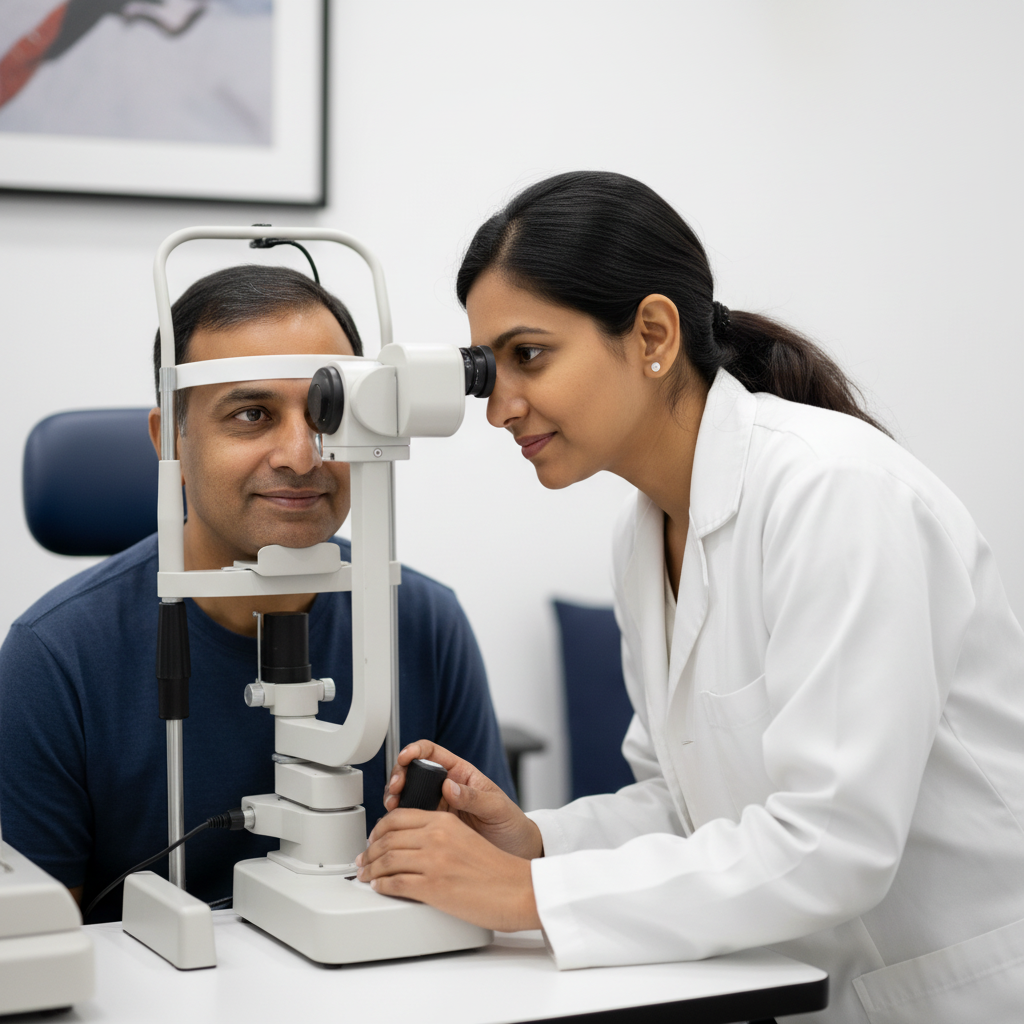
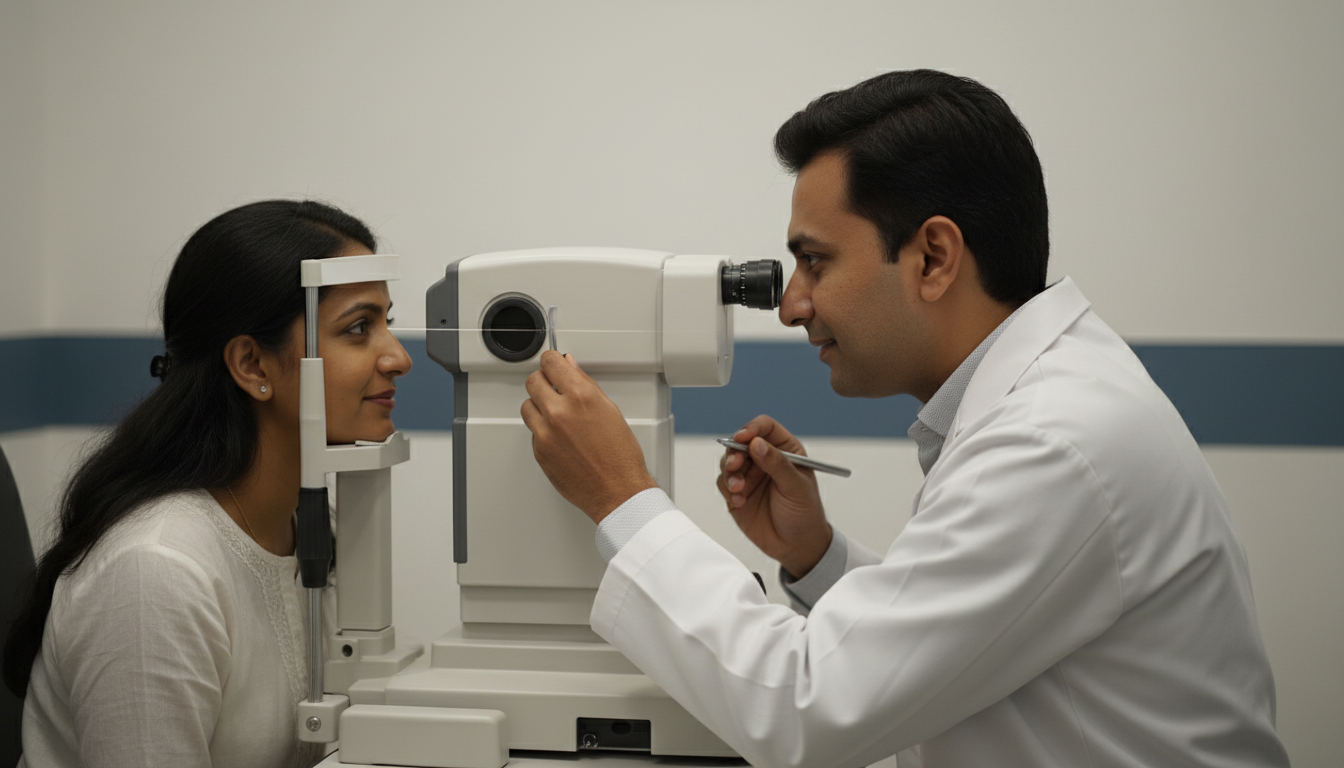
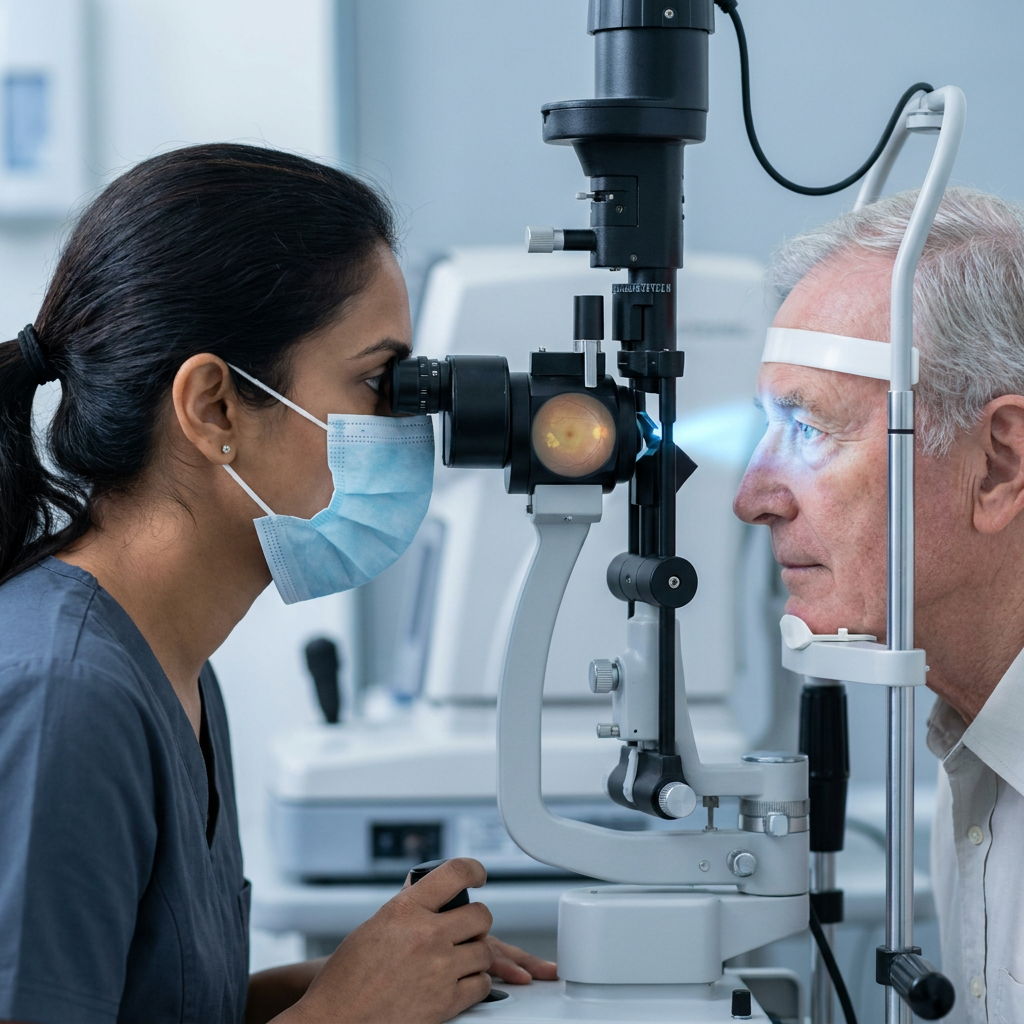
Gold-standard IOP measurement — more accurate than non-contact tonometry. Central corneal thickness (pachymetry) is measured to correct IOP for thin or thick corneas, which can give falsely low or high readings.
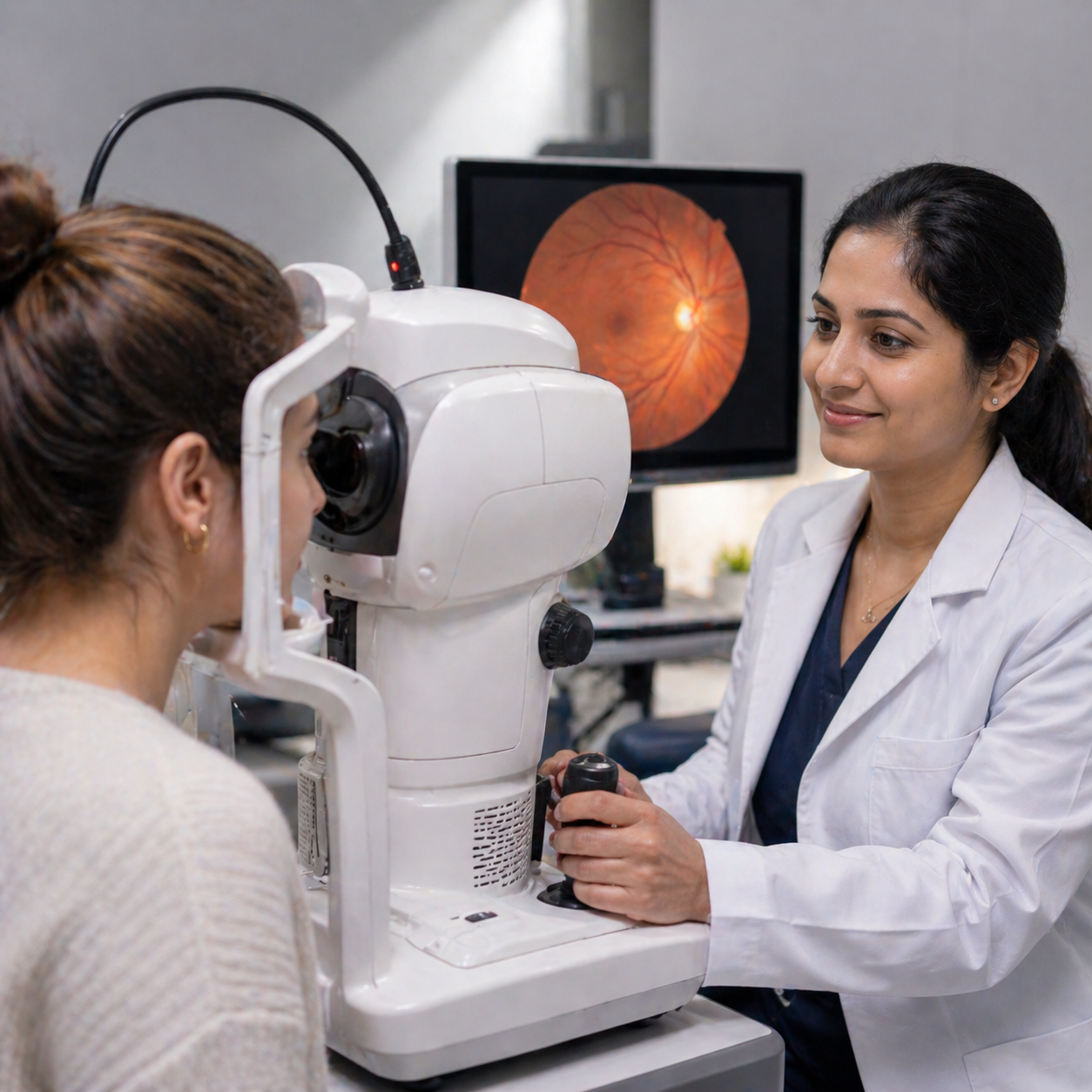
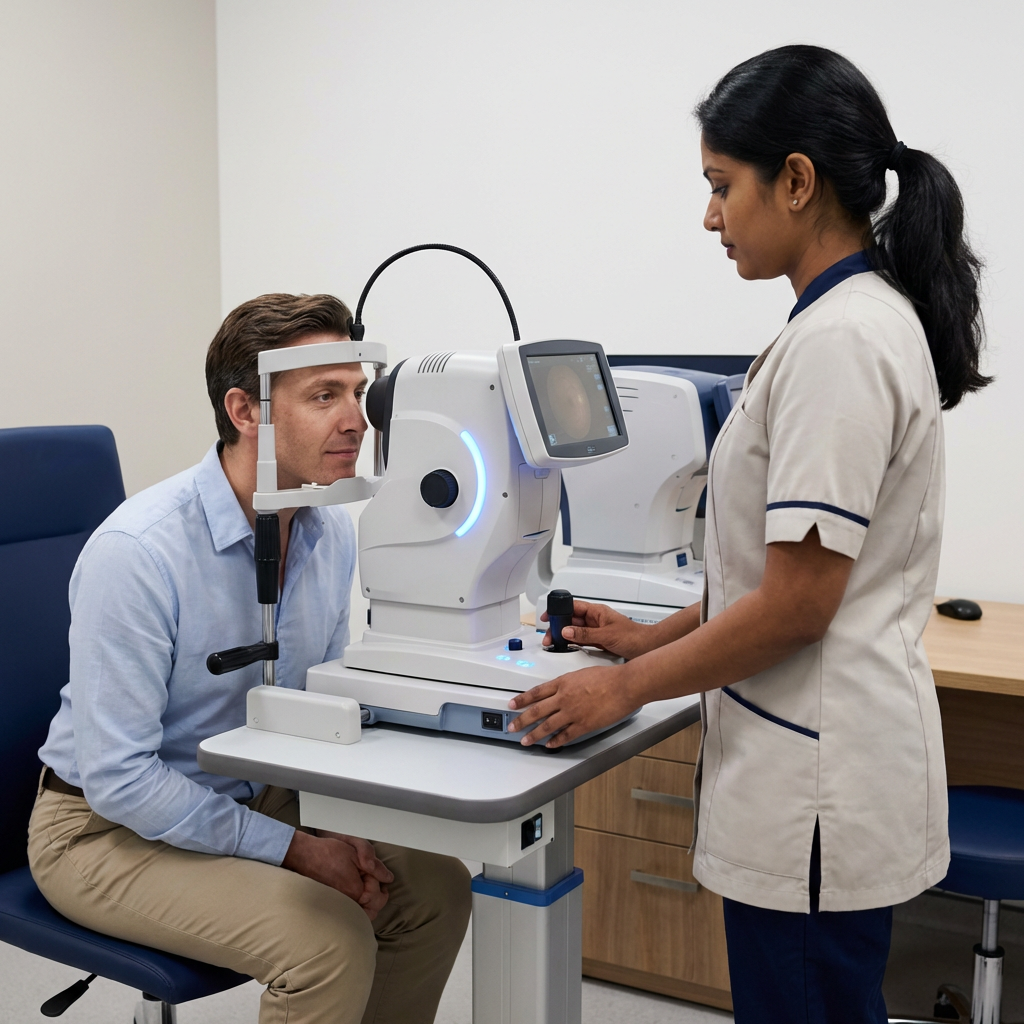
High-resolution cross-sectional imaging of the retinal nerve fibre layer and optic nerve head. Detects glaucomatous thinning 5–6 years before visual field loss appears — the most sensitive early detection tool available.
Automated perimetry maps your peripheral visual field — the first thing lost in glaucoma. Reliable baseline and serial fields track whether your treatment is successfully halting progression.
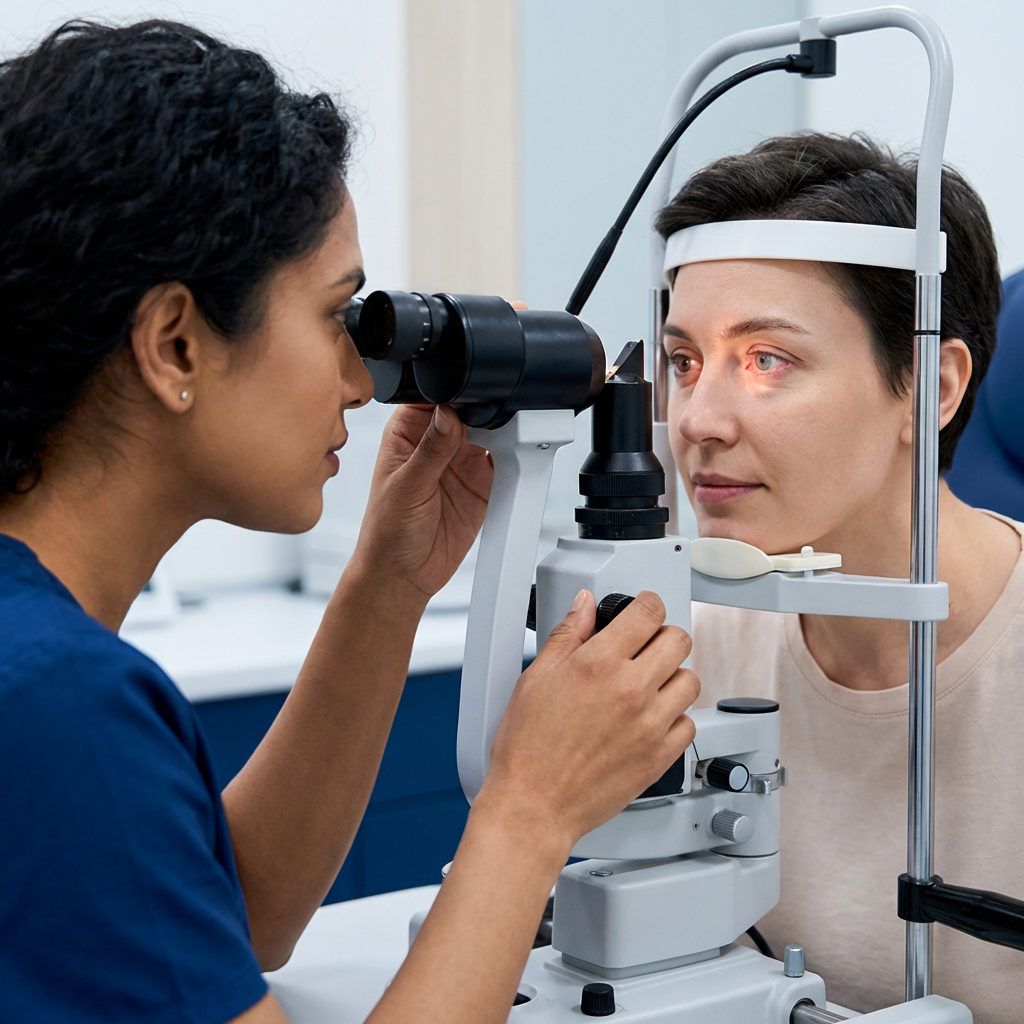
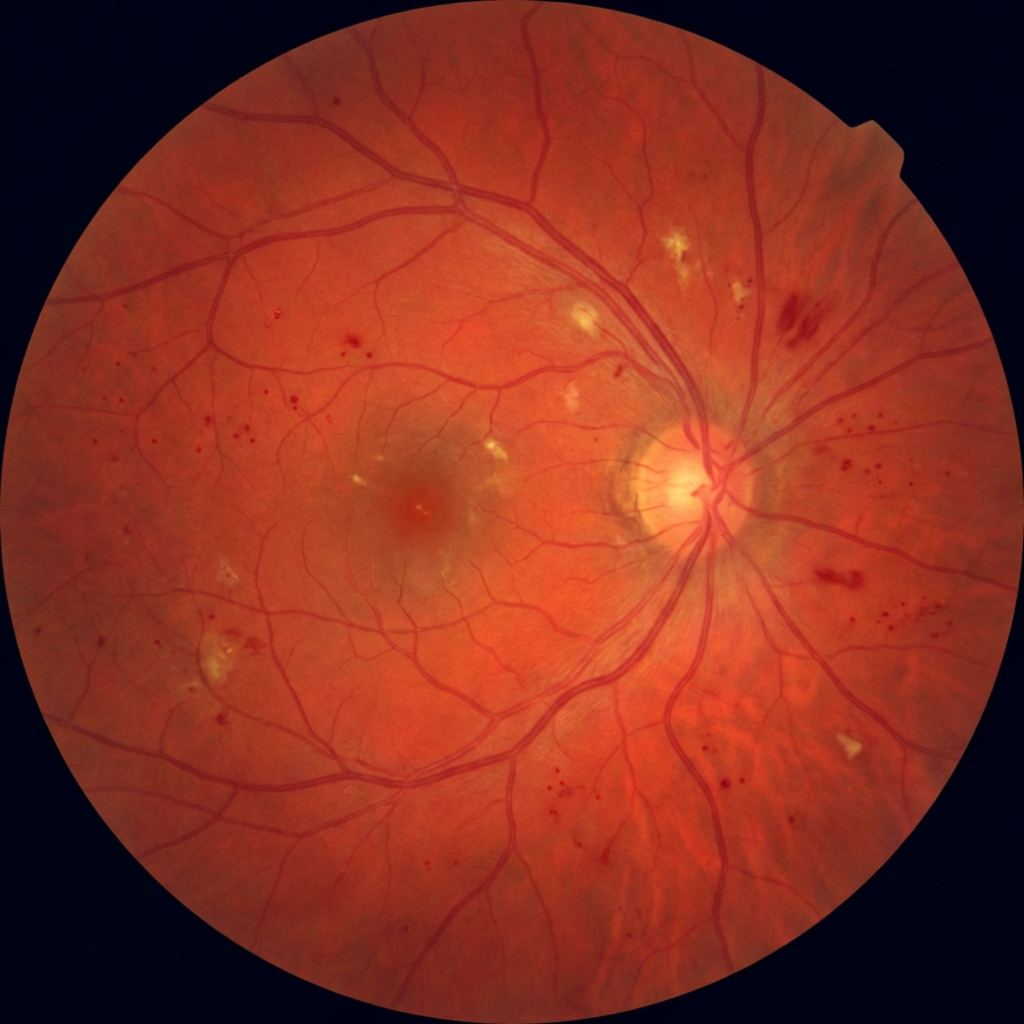
Direct examination of the drainage angle with a gonioscope lens classifies the type of glaucoma. Optic disc stereo photography documents cup-to-disc ratio for year-on-year comparison.
Based on the stage of damage, a target IOP is set (typically 20–30% below baseline). Treatment — eye drops, SLT laser, or surgery — is chosen to achieve and maintain this target at every follow-up.
We never manage glaucoma by IOP number alone. Each patient has an individualised target, a documented baseline, and serial imaging to prove whether their treatment is working.
We escalate treatment if OCT shows progression — even when IOP appears controlled. OCT trend analysis over time is the most objective measure of whether your optic nerve is deteriorating.
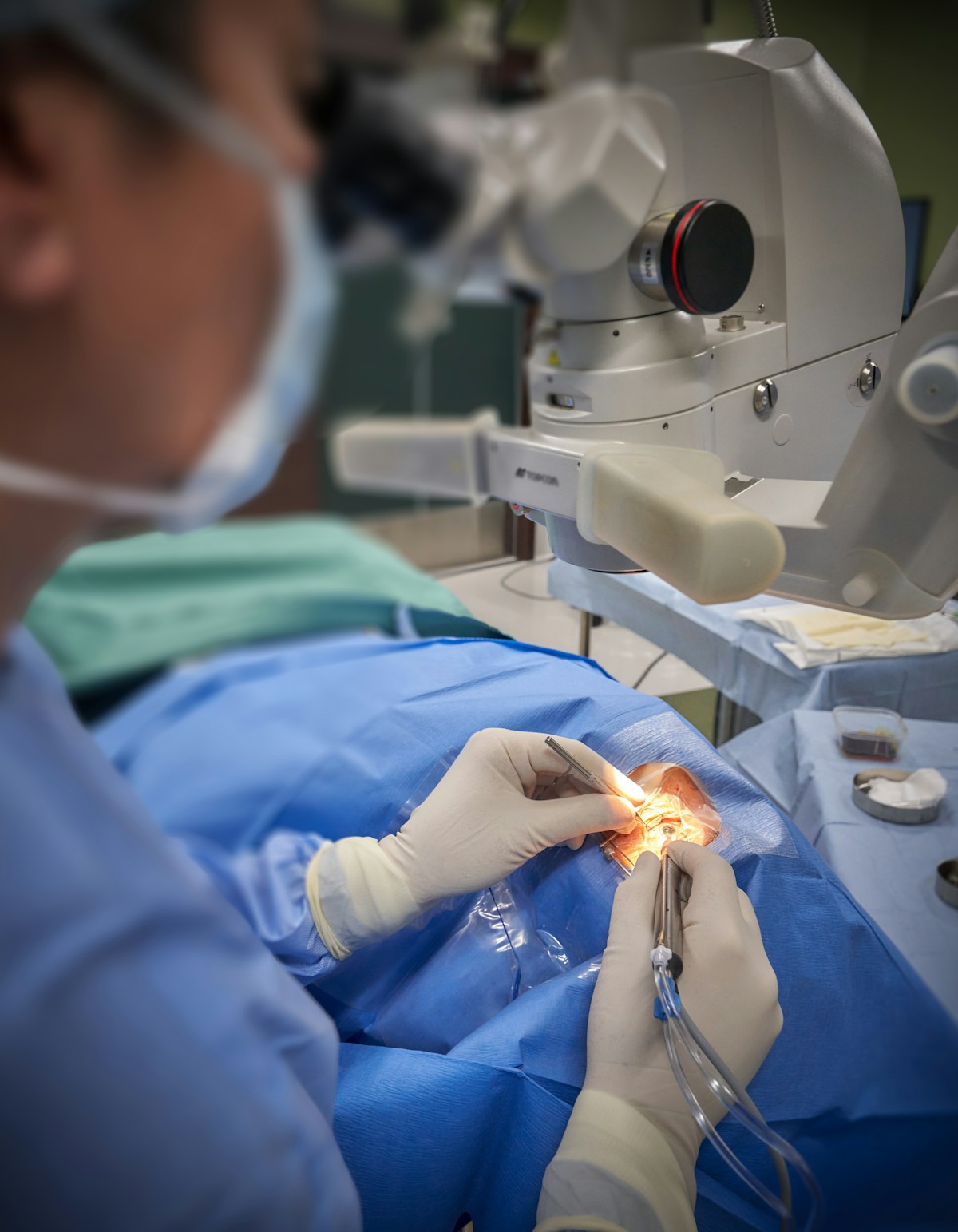
Selective Laser Trabeculoplasty (SLT) is a 5-minute in-office procedure that improves trabecular drainage, reducing IOP by 20–30% — often allowing patients to reduce or stop eye drops entirely.
Non-adherence to glaucoma drops is the most common reason for progression. We provide structured counselling on instillation technique, timing, and why missing a dose matters — every visit.
Treatment is escalated stepwise — drops first, then SLT, then surgery if needed. The goal is always target IOP at every visit.
| Feature | Eye Drops | SLT Laser | MIGS | Trabeculectomy |
|---|---|---|---|---|
| IOP reduction | 20–35% | 20–30% | 15–25% | 30–50% |
| Procedure time | Daily drops | 5 min in-office | 30–60 min (theatre) | 1–2 hours (theatre) |
| Drops still needed after? | N/A | Often reduced / stopped | Often reduced | Often eliminated |
| Recovery | None | None | 1–2 weeks | 4–6 weeks |
| Repeatable | Yes | Yes (once) | Limited | Not usually |
| Best for | All stages | Mild–moderate POAG | Mild–moderate + cataract | Advanced / uncontrolled |
First-degree relatives of glaucoma patients have a 4–9× higher risk. If your parent or sibling has glaucoma, you should be screened annually from age 35 — regardless of symptoms. Tell your family members about your diagnosis.
Glaucoma screening includes IOP, disc examination, and OCT nerve fibre layer imaging.