Medical Dermatology

Eczema &
Atopic Dermatitis

Persistent itch, inflamed skin, and recurring flares don't have to be your reality. We identify your specific triggers, prescribe the right barrier repair and immunomodulator therapy, and build a personalised flare-prevention plan.

AllAges including infants
TriggerIdentification & testing
SafeSteroid-free options

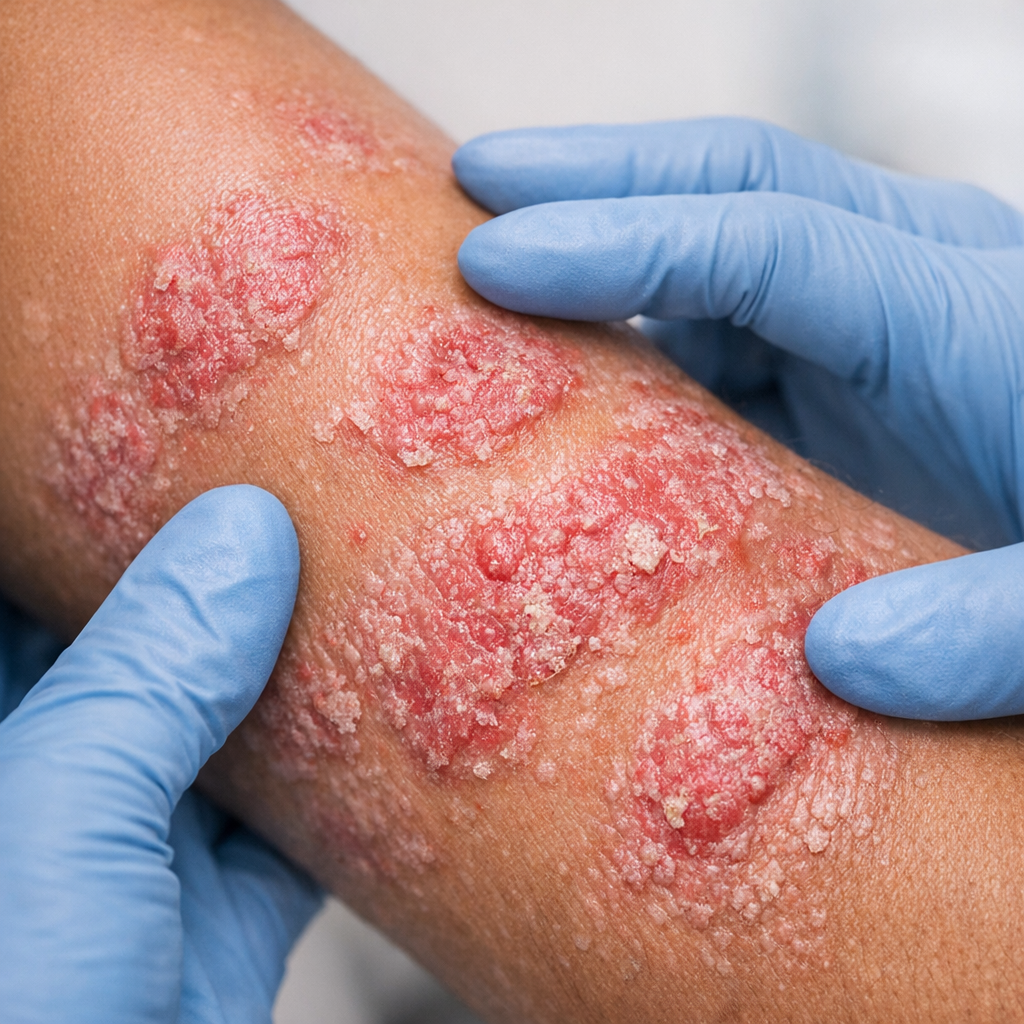
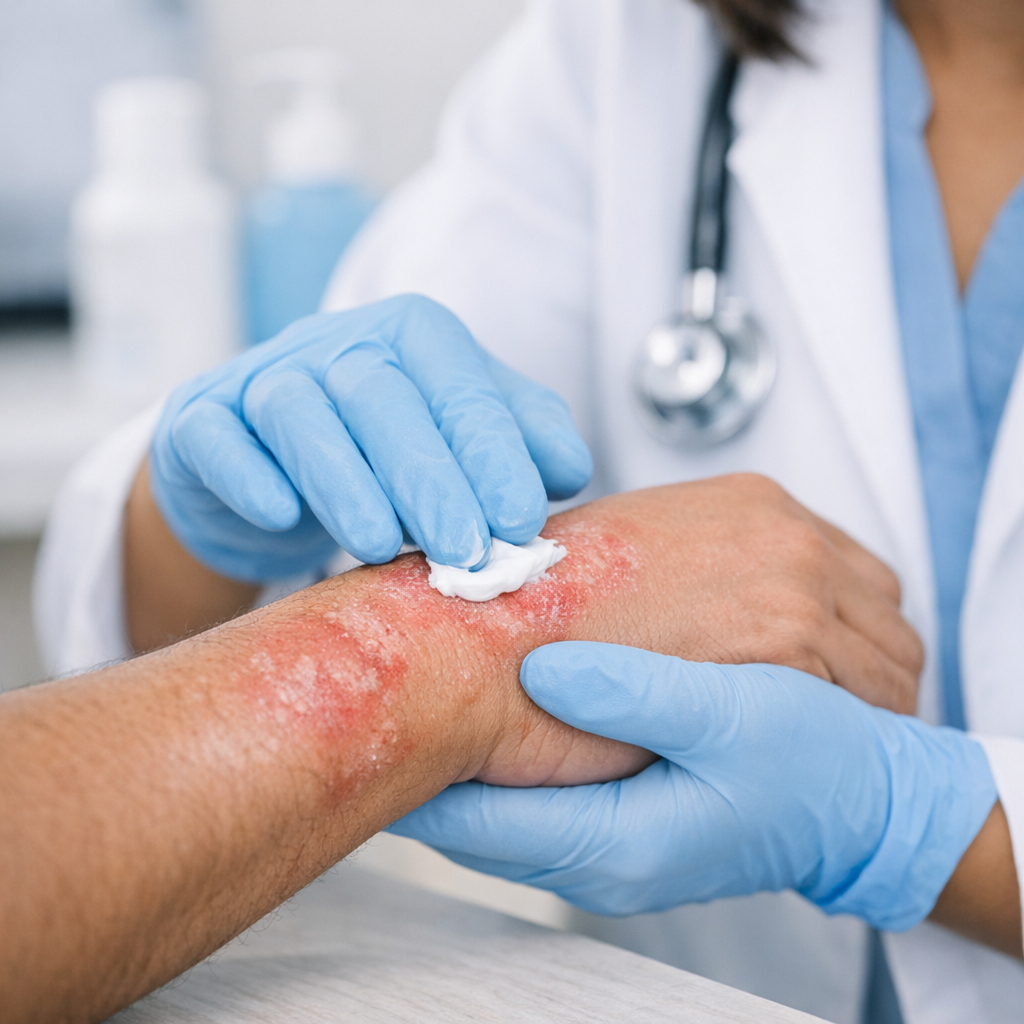
Eczema treatment consultation
₹500Starting consultation
Types We Treat

All Forms of Eczema.
From Infant to Adult.

Whether it's infant atopic eczema, adult hand eczema, or occupational contact dermatitis — we diagnose the correct subtype and tailor treatment accordingly.

Infant eczema treatment
Gentle Topicals + Barrier

Infantile & Childhood Eczema

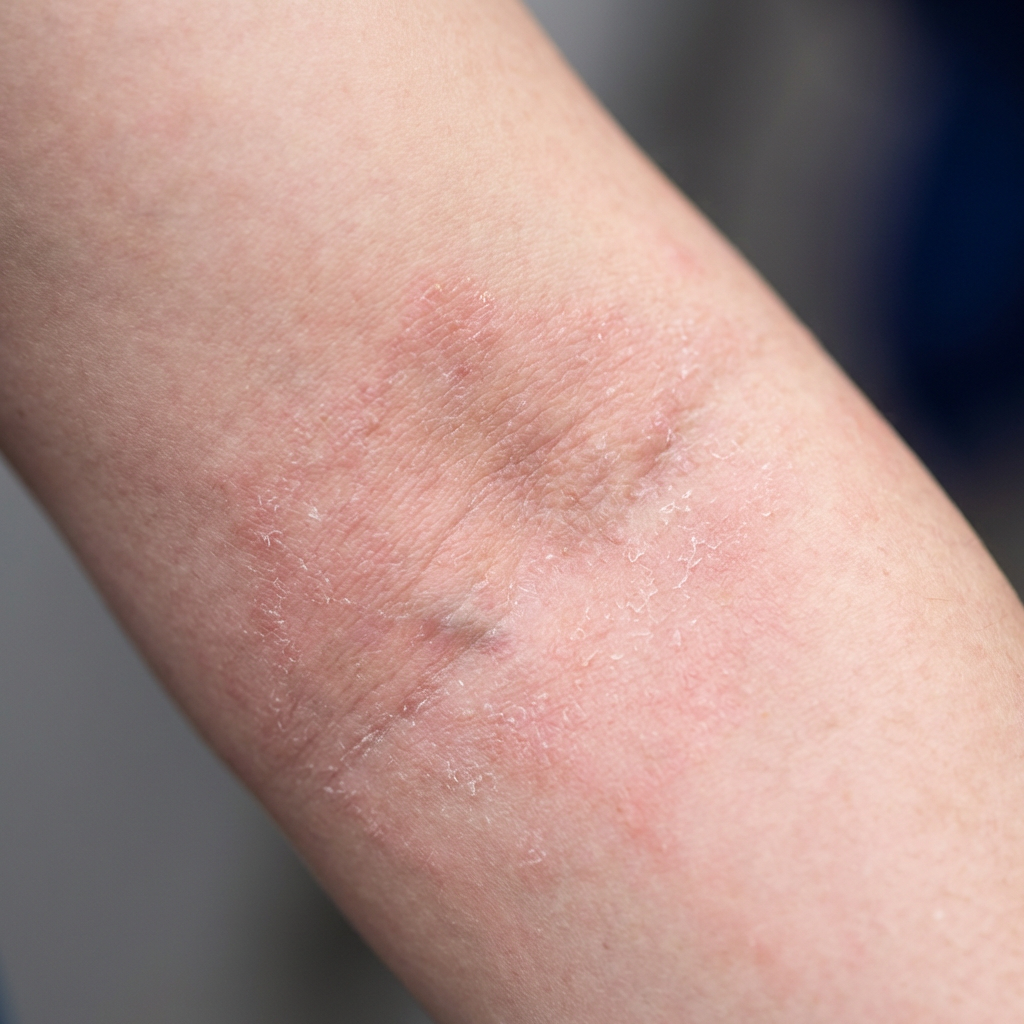
Eczema affects 15–20% of children. We use age-appropriate, low-potency topicals, fragrance-free emollients, and dietary trigger identification — with a safe, low-steroid approach for young skin.

Ongoing management₹500+
Adult atopic eczema
Immunomodulators + Emollients

Adult Atopic Eczema

Chronic adult eczema managed with topical calcineurin inhibitors (tacrolimus, pimecrolimus), judicious corticosteroids, and robust emollient routines — reducing flare frequency and severity long-term.

Ongoing management₹600+
Contact dermatitis patch testing
Patch Testing + Avoidance

Allergic Contact Dermatitis

Triggered by specific allergens (nickel, fragrances, hair dye, rubber) — identified precisely with 36-allergen standard European patch testing. Avoidance guidance and barrier repair prescribed.

2 visits patch testing₹2,500+
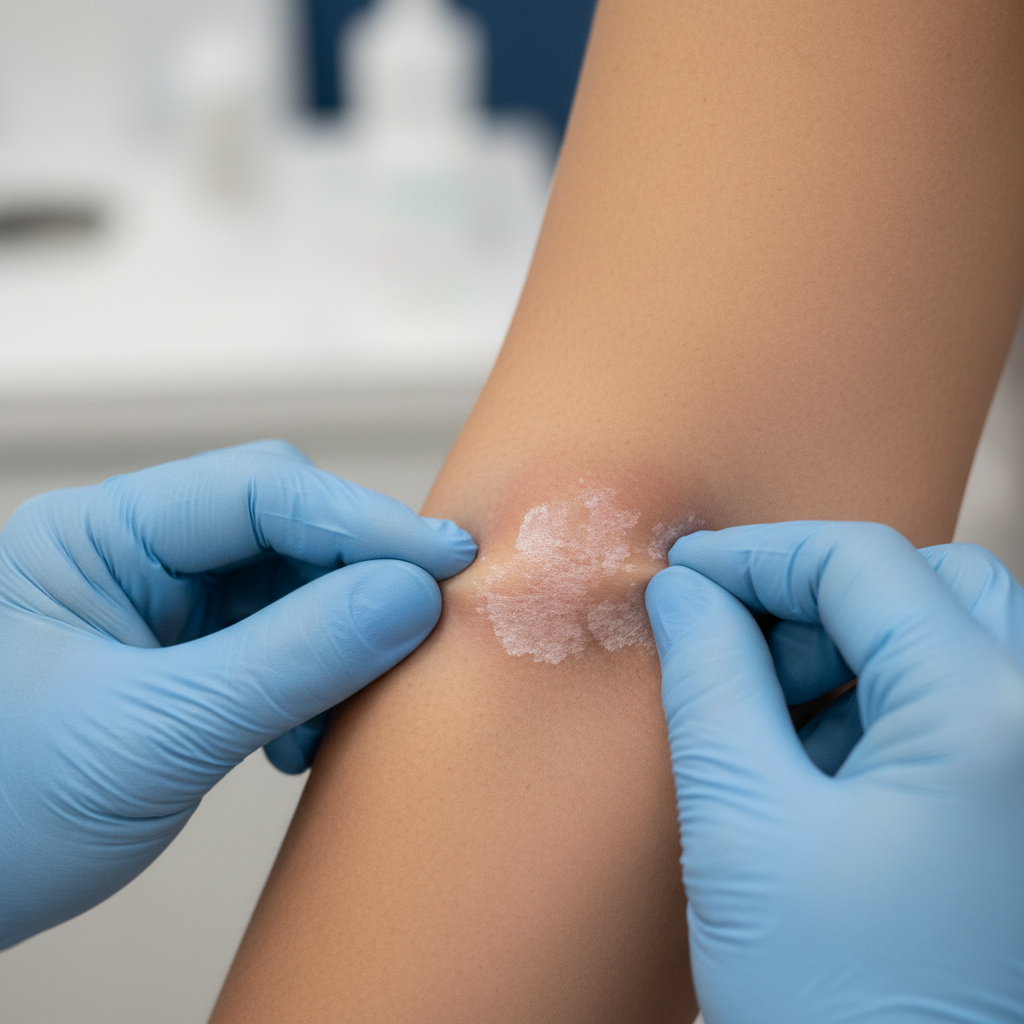
Hand eczema diagnosis and treatment
Barrier Creams + Topicals

Hand & Occupational Eczema

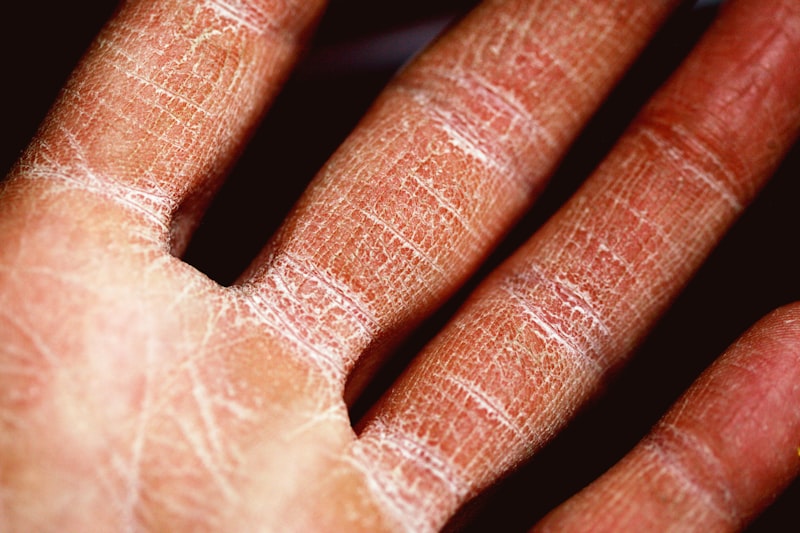
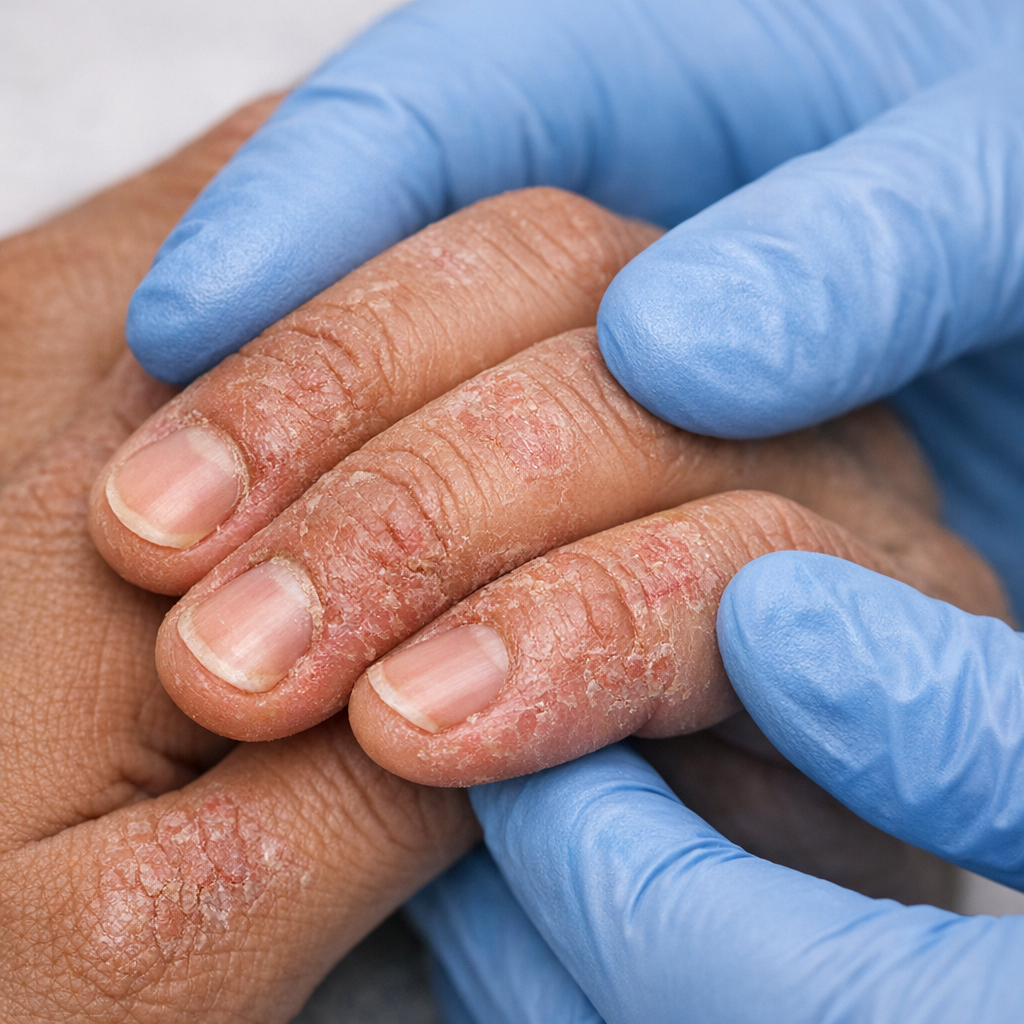
Chronic hand eczema from repeated water exposure or workplace irritants. Treated with potent topical steroids under occlusion, barrier repair emollients, and occupational modification advice.

4–8 weeks₹700+
Seborrhoeic dermatitis treatment
Antifungal + Topicals

Seborrhoeic Dermatitis

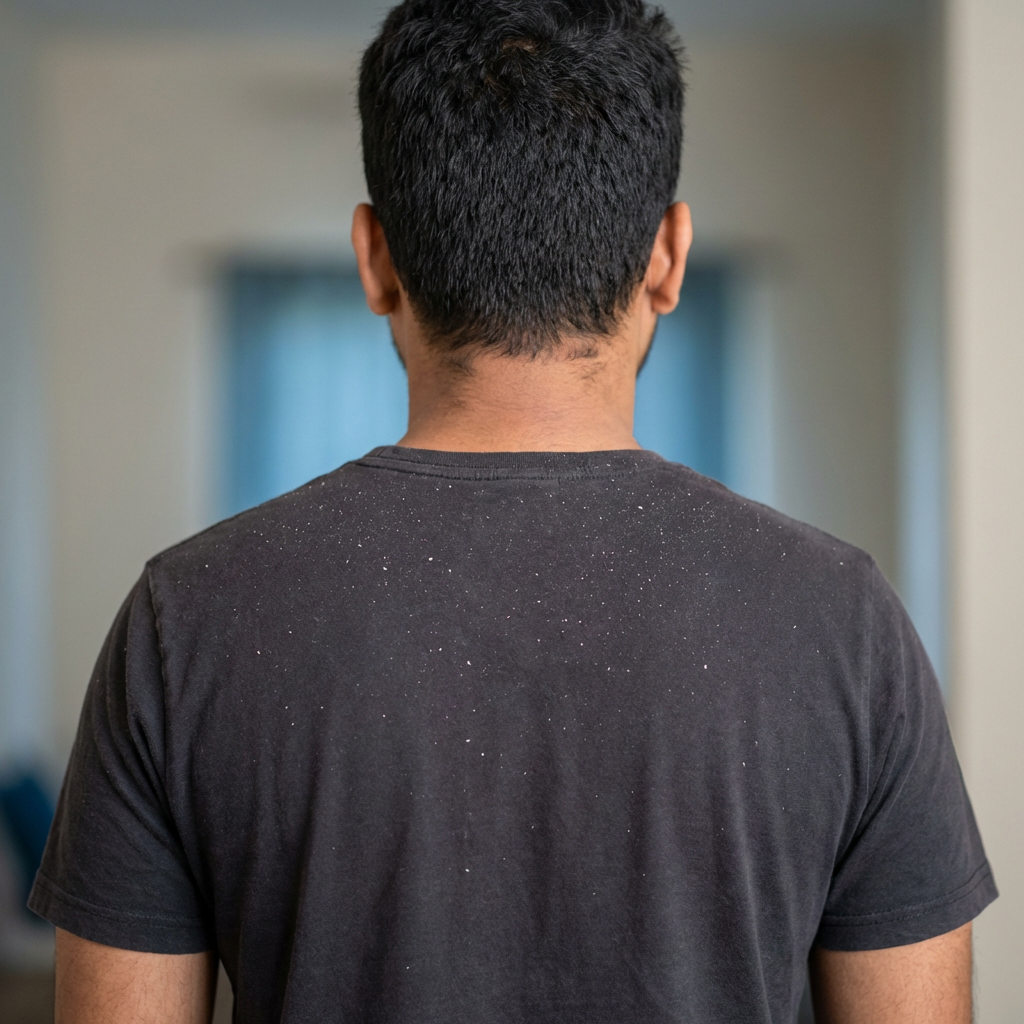
Flaky, red scalp and facial skin caused by Malassezia yeast overgrowth. Treated with ketoconazole shampoo, low-potency facial steroids, and antifungal creams — with clear maintenance instructions.

4–6 weeks₹500+
Severe eczema systemic treatment approach
Cyclosporin + Methotrexate

Severe Refractory Eczema

When topical therapy fails, systemic immunosuppressants (Cyclosporin, Methotrexate, Azathioprine) are carefully prescribed with baseline and follow-up blood monitoring — providing significant relief.

Ongoing management₹1,500+
The Treatment Journey

Your Eczema Management
Plan — Step by Step

No two eczema patients are the same — triggers, severity, and skin type all vary. We take a thorough approach before prescribing anything.

1

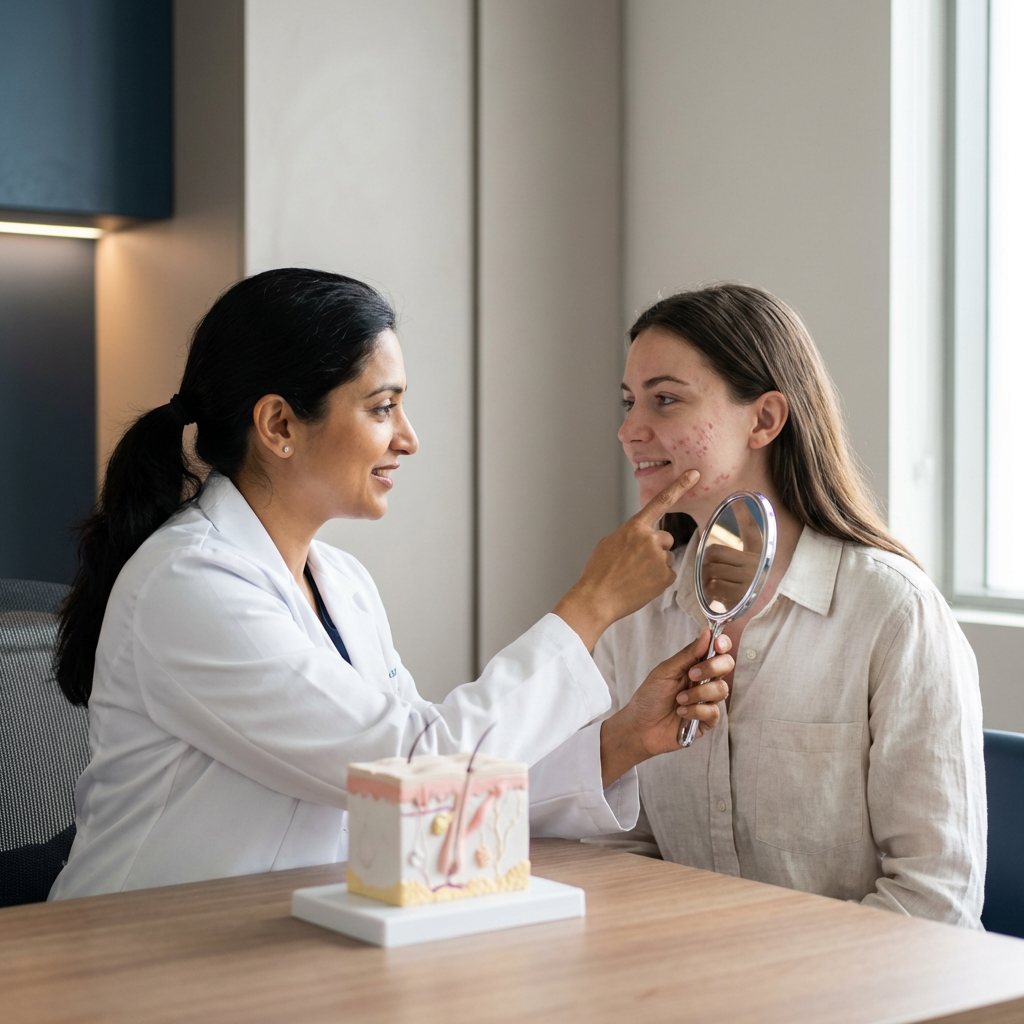
Comprehensive Skin Assessment

Your dermatologist evaluates eczema subtype, severity (EASI score), body surface area affected, past treatment history, and family history of atopy. We score itch and sleep disturbance using POEM.

2

Trigger Identification

Common triggers (dust mites, pet dander, certain foods, soaps, sweat, climate) are systematically identified. Patch testing or prick testing is arranged where allergic contact or food-triggered eczema is suspected.

3

Barrier Repair Foundation

A written emollient regimen is prescribed — the correct emollient for your skin type (cream, ointment, lotion), applied in the right quantity and frequency. This is the single most important aspect of long-term control.

4

Anti-Inflammatory Therapy

Topical corticosteroids are prescribed in the appropriate potency for the affected site (face vs body). Topical calcineurin inhibitors (TCIs) are prescribed for long-term face and eyelid eczema to avoid steroid side effects.

5

Flare Plan & "Rescue" Protocol

You receive a written action plan for flares — which cream to use when, at what potency, for how long, and when to seek review. Patients with a clear plan have significantly fewer hospitalisations.

6

Review & Step-Up if Needed

We review at 4–6 weeks. If not adequately controlled, step-up therapy (wet wraps, NBUVB, systemic agents) is introduced in a systematic, safe manner with appropriate monitoring.

Eczema treatment at clinic
Why Choose Us

Trigger Identification.
Not Just Cream Prescription.

Most eczema patients have been given repeated steroid prescriptions without ever identifying their triggers. We find the cause, repair the barrier, and give you the tools to control your own skin.

Patch Testing for Contact Allergens

We perform standard European patch testing (36 allergens) to identify the specific substances triggering your contact dermatitis — information that permanently changes how you manage your skin.

Steroid-Sparing Protocols

We minimise corticosteroid use by introducing TCIs (tacrolimus, pimecrolimus) for long-term maintenance — safe for sensitive sites like the face, neck, and eyelids where steroids cause thinning.

Safe for Infants & Children

We have age-specific protocols for infant, childhood, and adult eczema — with appropriate topical potency for each age group and full parental guidance on safe application technique.

Written Flare Action Plans

Every patient leaves with a documented flare action plan — what to do at the first sign of a flare, what escalates treatment, and when to seek urgent review. This dramatically reduces uncontrolled flares.

Eczema treatment results
AllAges treated
PatchTesting available
SafeSteroid-sparing Rx
WrittenFlare action plan
Choosing Your Treatment

Eczema Treatment Options
Compared

Feature Dermatologist-Led Plan OTC Hydrocortisone Topical Calcineurin Inhibitor Systemic (Cyclosporin)
Best forAll severity gradesMild, short-term flaresSensitive sites, long-termSevere refractory eczema
Trigger identification✓ Yes✗ No✗ No✗ No
Safe long-term use✓ With monitoringSkin thinning risk✓ YesBlood monitoring needed
Safe for face / eyelids✓ TCIs prescribedAvoid prolonged use✓ Yes✓ Yes
Safe for infants✓ Yes (age-specific)Very short-term onlyAge ≥2 years✗ Not for young children
Starting cost₹500 consultation₹80–200 OTC₹600–1,200/tube₹1,500+/month
Our Approach

Treatments We Use

Each treatment is selected based on your eczema subtype, severity, age, and the specific body areas affected.

Prescription Emollients

Clinic-grade ceramide-rich emollients prescribed in appropriate formulation (cream/ointment/lotion) and quantity — the cornerstone of all eczema management.

All Types · Barrier Repair

Topical Calcineurin Inhibitors

Tacrolimus and pimecrolimus — steroid-free anti-inflammatory creams for sensitive sites and long-term maintenance without skin thinning side effects.

Face · Eyelids · Long-term

Patch & Prick Testing

Standard European 36-allergen patch test for contact allergens. Skin prick testing for aeroallergens and food allergens contributing to atopic flares.

Contact · Food Triggers

Systemic Immunosuppressants

Cyclosporin, Methotrexate, and Azathioprine for severe eczema — prescribed with baseline bloods, monitored regularly, and managed in-house throughout the course.

Severe · Refractory
Common Questions

Eczema
FAQs

There is currently no permanent cure for atopic eczema, as it has a genetic basis. However, with proper trigger identification, barrier repair, and appropriate therapy, the vast majority of patients achieve excellent long-term control with minimal flares. Many children outgrow atopic eczema by their teens.
Topical steroids are safe when used correctly — the right potency, applied sparingly, for the right duration. Problems arise from inappropriate use (high-potency steroids on the face, continuous use for months without breaks). We prescribe steroid-sparing alternatives (TCIs) for sensitive sites and long-term use to avoid side effects.
Food triggers are more relevant in infants and young children than adults. Common ones include cow's milk, eggs, peanuts, wheat, and soy. In adults, food triggers are less common but do occur. We assess dietary history carefully and arrange IgE-specific testing when food triggers are suspected — avoiding unnecessary dietary restriction.
Atopic eczema is driven by an inherited overactive immune response. Contact dermatitis is caused by direct skin contact with an irritant (irritant contact dermatitis) or a specific allergen you've become sensitised to (allergic contact dermatitis). Patch testing identifies allergic contact dermatitis — treatment is complete allergen avoidance, which can result in full resolution.
Dermatology consultation at Supreme Elite Clinic, Kelambakkam starts from ₹500. Patch testing starts from ₹2,500. Emollient and topical prescriptions typically cost ₹300–800 per month. Systemic therapy (when needed) starts from ₹1,500 per month. We provide a complete cost plan after initial assessment.

Treatment Pricing Guide

Per-visit rates at Supreme Elite Clinic, Kelambakkam OMR 603103

Dermatology Consultation₹500+
Patch Testing (36 allergens)₹2,500+
Prick Testing₹1,500+
Prescription Emollient₹300+
TCI Prescription₹600+
Systemic (monthly)₹1,500+
Exact pricing after assessment. No surprises.
Book Appointment

Take Control of
Your Skin

Call us at +91 96774 73344 or fill the form and we will call you back within 2 hours.

Medical Dermatology
All Ages Including Infants
Patch & Prick Testing
Steroid-Sparing Protocols
Kelambakkam OMR 603103